
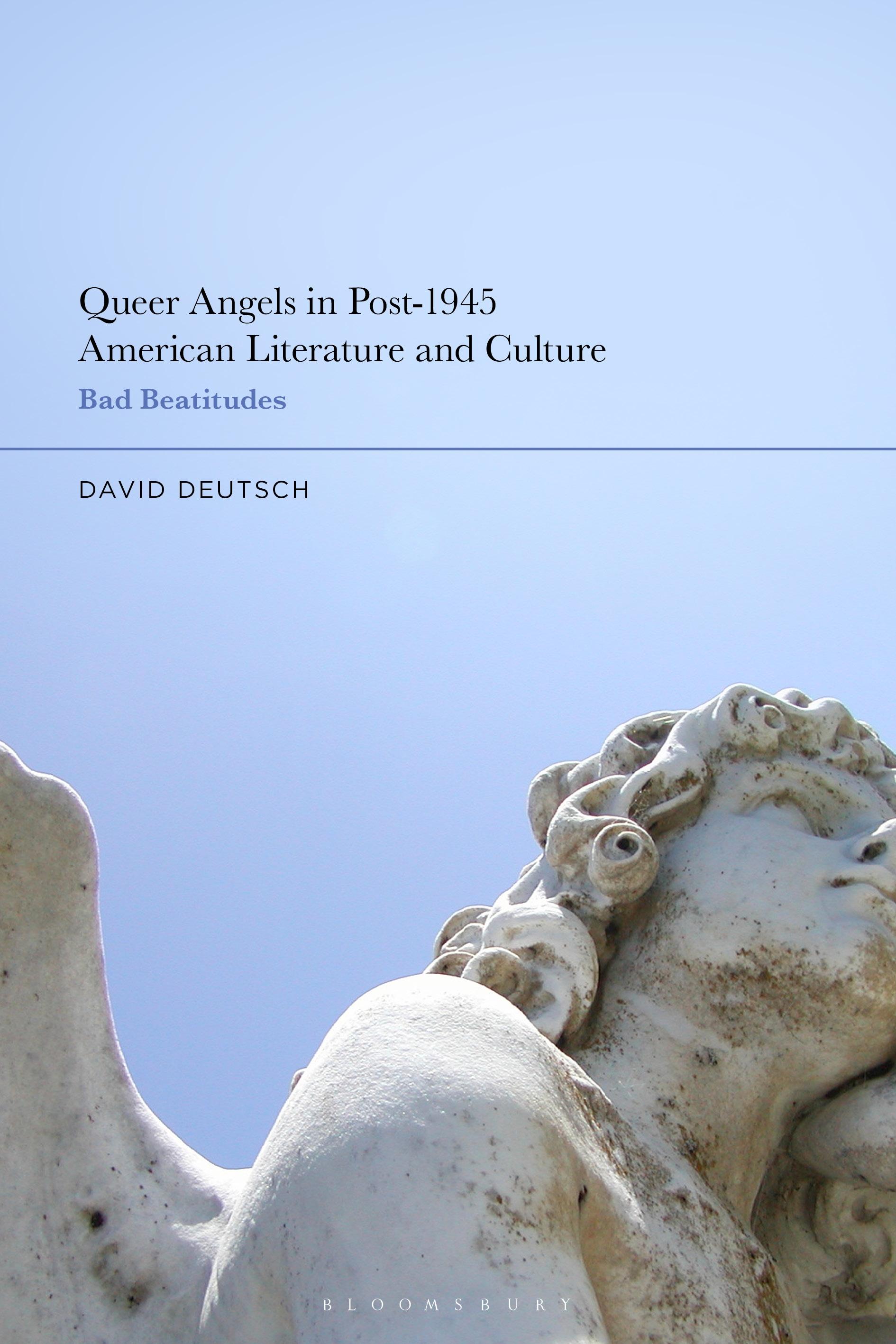
From Allen Ginsberg's 'angel-headed hipsters' to angelic outlaws in Essex Hemphill's Conditions, angelic imagery is pervasive in queer American art and culture. This book examines how the period after 1945 expanded a unique mixture of sacred and profane angelic imagery in American literature and culture to fashion queer characters, primarily gay men, as embodiments of 'bad beatitudes'.
Deutsch explores how authors across diverse ethnic and religious backgrounds, including John Rechy, Richard Bruce Nugent, Allen Ginsberg, and Rabih Alameddine, sought to find the sacred in the profane and the profane in the sacred. Exploring how these writers used the trope of angelic outlaws to celebrate men who rebelled wilfully and nobly against religious, medical, legal and social repression in American society, this book sheds new light on dissent and queer identities in postmodern American literature.
Deutsch explores how authors across diverse ethnic and religious backgrounds, including John Rechy, Richard Bruce Nugent, Allen Ginsberg, and Rabih Alameddine, sought to find the sacred in the profane and the profane in the sacred. Exploring how these writers used the trope of angelic outlaws to celebrate men who rebelled wilfully and nobly against religious, medical, legal and social repression in American society, this book sheds new light on dissent and queer identities in postmodern American literature.
Płać wygodnie kartą, Klarną, Apple Pay lub Google Pay. Nie jesteś zadowolony? Zawsze masz 14-dniową gwarancję zwrotu pieniędzy. Więcej przeczytasz w naszych warunkach. Masz pytania? Napisz do nas na hello@memmo.org.
Memmo ułatwia naukę – gdziekolwiek jesteś na świecie. U nas znajdziesz podręczniki i sprytne narzędzia do nauki w jednym miejscu: streszczenia, quizy, podcasty i fiszki. A do tego Ted, Twój kumpel do nauki, który odpowie na wszystko, co Cię nurtuje. Ponad 50 000 studentów już tu się uczy – stworzone, byś uczył się szybciej i mniej stresował.