
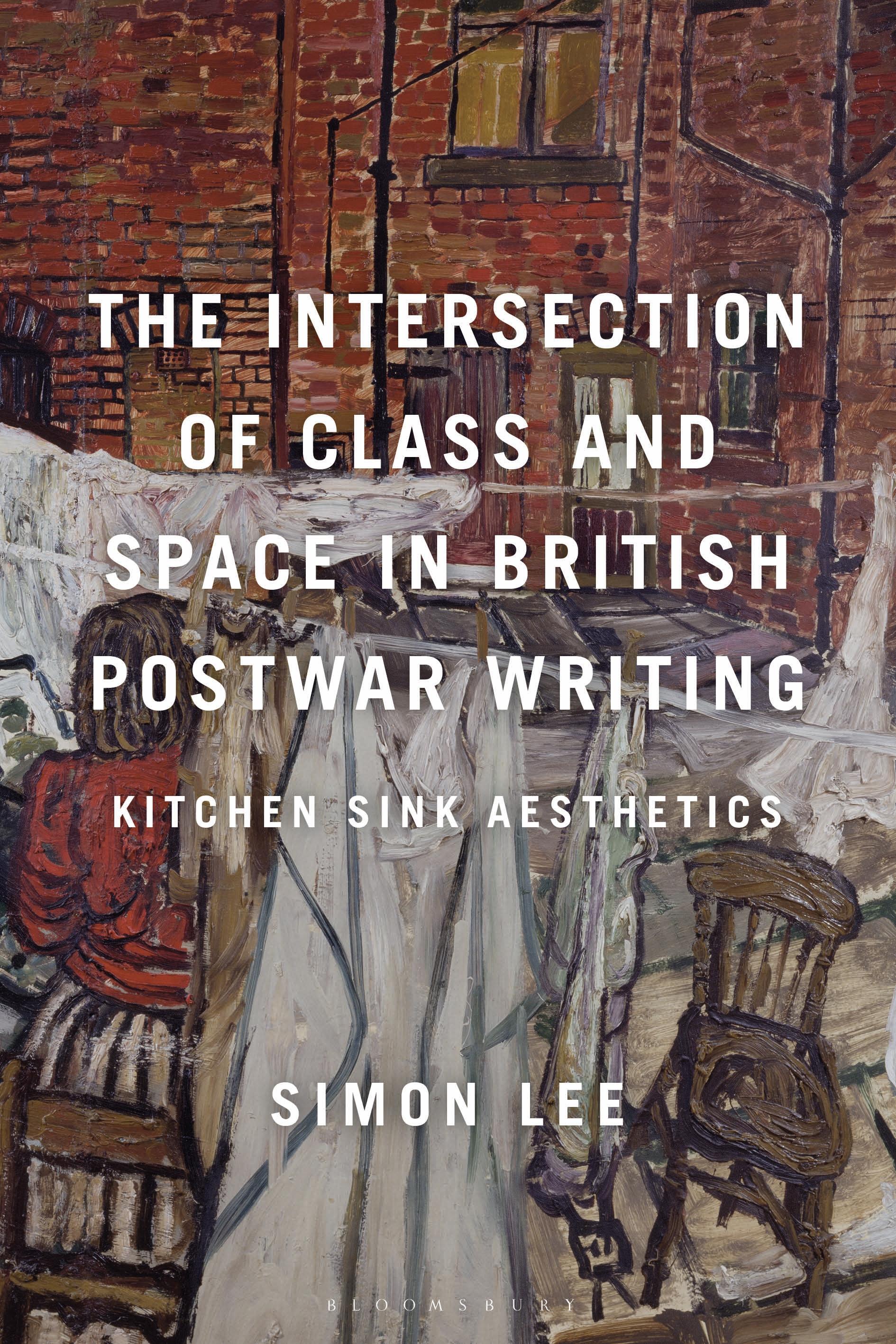
Centering on the British kitchen sink realism movement of the late 1950s and early 1960s, specifically its documentation of the built environment's influence on class consciousness, this book highlights the settings of a variety of novels, plays, and films, turning to archival research to offer new ways of thinking about how spatial representation in cultural production sustains or intervenes in the process of social stratification.
As a movement that used gritty, documentary-style depictions of space to highlight the complexities of working-class life, the period's texts chronicled shifts in the social and topographic landscape while advancing new articulations of citizenship in response to the failures of post-war reconstruction. By exploring the impact of space on class, this book addresses the contention that critical discourse has overlooked the way the built environment informs class identity.
As a movement that used gritty, documentary-style depictions of space to highlight the complexities of working-class life, the period's texts chronicled shifts in the social and topographic landscape while advancing new articulations of citizenship in response to the failures of post-war reconstruction. By exploring the impact of space on class, this book addresses the contention that critical discourse has overlooked the way the built environment informs class identity.
Płać wygodnie kartą, Klarną, Apple Pay lub Google Pay. Nie jesteś zadowolony? Zawsze masz 14-dniową gwarancję zwrotu pieniędzy. Więcej przeczytasz w naszych warunkach. Masz pytania? Napisz do nas na hello@memmo.org.
Memmo ułatwia naukę – gdziekolwiek jesteś na świecie. U nas znajdziesz podręczniki i sprytne narzędzia do nauki w jednym miejscu: streszczenia, quizy, podcasty i fiszki. A do tego Ted, Twój kumpel do nauki, który odpowie na wszystko, co Cię nurtuje. Ponad 50 000 studentów już tu się uczy – stworzone, byś uczył się szybciej i mniej stresował.