
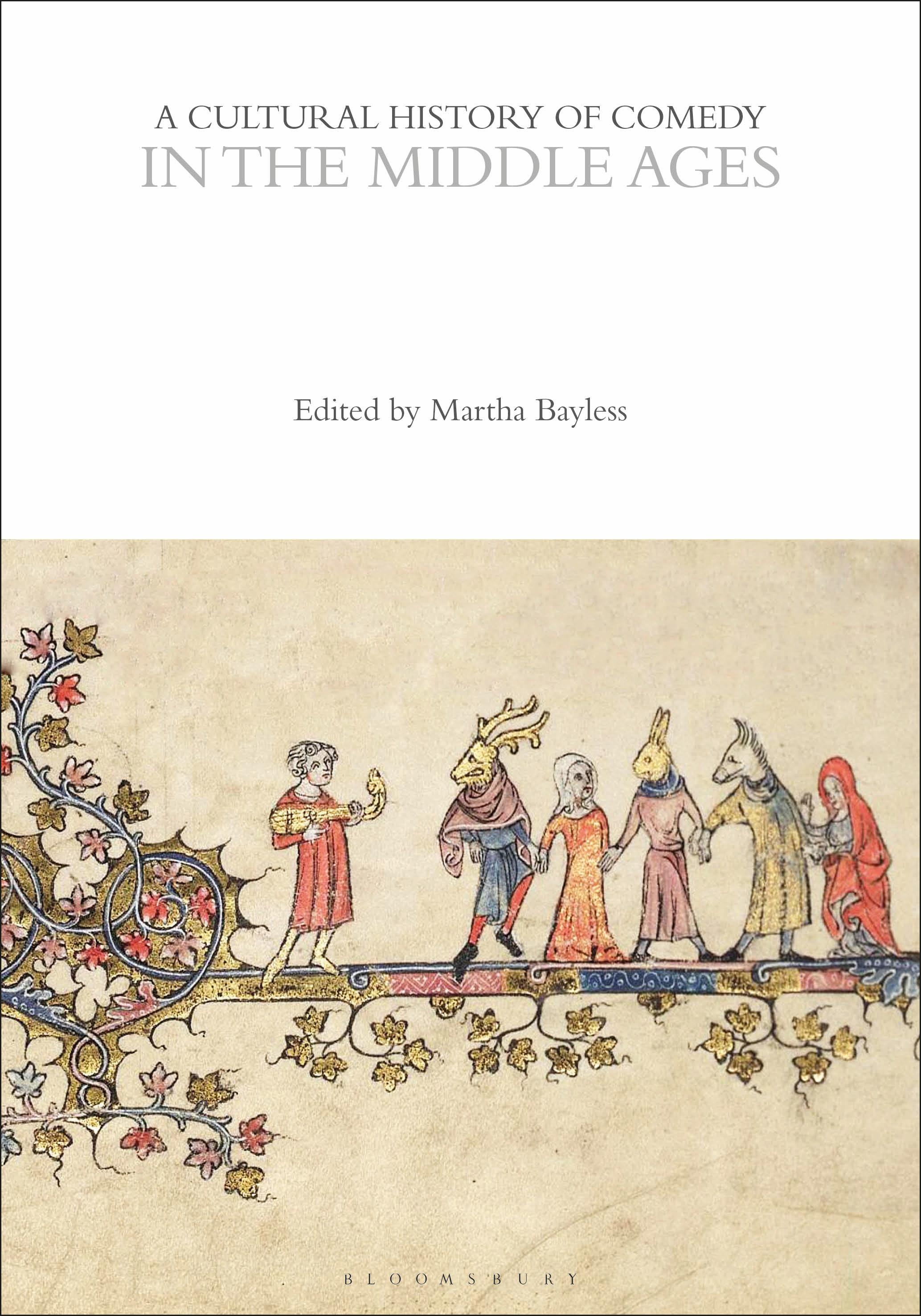
Comedy and humor flourished in manifold forms in the Middle Ages. This volume, covering the period from 1000 to 1400 CE, examines the themes, practice, and effects of medieval comedy, from the caustic morality of principled satire to the exuberant improprieties of many wildly popular tales of sex and trickery. The analysis includes the most influential authors of the age, such as Chaucer, Boccaccio, Juan Ruiz, and Hrothswitha of Gandersheim, as well as lesser-known works and genres, such as songs of insult, nonsense-texts, satirical church paintings, topical jokes, and obscene pilgrim badges. The analysis touches on most of the literatures of medieval Europe, including a discussion of the formal attitudes toward humor in Christian, Jewish, and Islamic traditions. The volume demonstrates the many ways in which medieval humor could be playful, casual, sophisticated, important, subversive, and even dangerous.
Each chapter takes a different theme as its focus: form, theory, praxis, identities, the body, politics and power, laughter, and ethics.
Each chapter takes a different theme as its focus: form, theory, praxis, identities, the body, politics and power, laughter, and ethics.
Płać wygodnie kartą, Klarną, Apple Pay lub Google Pay. Nie jesteś zadowolony? Zawsze masz 14-dniową gwarancję zwrotu pieniędzy. Więcej przeczytasz w naszych warunkach. Masz pytania? Napisz do nas na hello@memmo.org.
Memmo ułatwia naukę – gdziekolwiek jesteś na świecie. U nas znajdziesz podręczniki i sprytne narzędzia do nauki w jednym miejscu: streszczenia, quizy, podcasty i fiszki. A do tego Ted, Twój kumpel do nauki, który odpowie na wszystko, co Cię nurtuje. Ponad 50 000 studentów już tu się uczy – stworzone, byś uczył się szybciej i mniej stresował.