
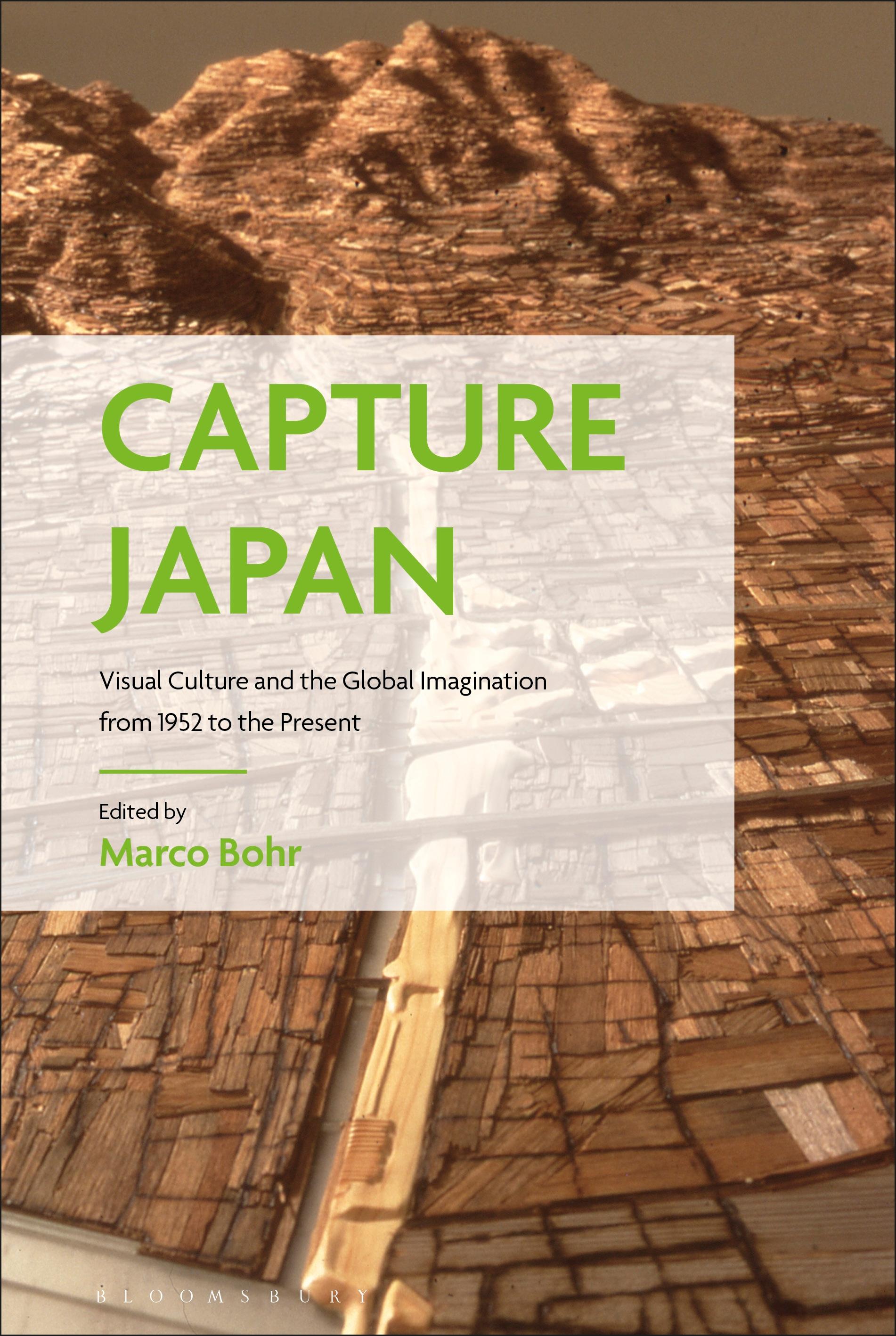
Capture Japan investigates the formation of visual tropes and how these have contributed to perceptions of Japan in the global imagination. The book proposes that images are not incidental in the formation of such perceptions, but central to notions about identity, history and memory. From a tentative western ally in 1952 to a 'soft power' superpower with a huge global influence in the 21st century, the book locates questions about Japan in the global imagination to the country's transforming geopolitical position. By adopting an interdisciplinary approach, with a multiplicity of perspectives from around the world, Capture Japan goes beyond binarisms to uncover how images can also produce discourses that challenge, subvert or even contradict each other.
The word 'capture' in the title of the book recognises both the deeply problematic role that images have played in relation to colonialism, as well as the potential dominance that visual spectacles can wield in a contemporary context. Diverse essays from a wide range of perspectives investigate the institutional framework that has allowed certain types of images of Japan to be promoted, while others have been suppressed.
In doing so, the book points to a vast network of images that have shaped the perception of Japan both from within and from outside, revealing how these images are inextricably linked to wider ideological, political, cultural or economic agendas.
The word 'capture' in the title of the book recognises both the deeply problematic role that images have played in relation to colonialism, as well as the potential dominance that visual spectacles can wield in a contemporary context. Diverse essays from a wide range of perspectives investigate the institutional framework that has allowed certain types of images of Japan to be promoted, while others have been suppressed.
In doing so, the book points to a vast network of images that have shaped the perception of Japan both from within and from outside, revealing how these images are inextricably linked to wider ideological, political, cultural or economic agendas.
Płać wygodnie kartą, Klarną, Apple Pay lub Google Pay. Nie jesteś zadowolony? Zawsze masz 14-dniową gwarancję zwrotu pieniędzy. Więcej przeczytasz w naszych warunkach. Masz pytania? Napisz do nas na hello@memmo.org.
Memmo ułatwia naukę – gdziekolwiek jesteś na świecie. U nas znajdziesz podręczniki i sprytne narzędzia do nauki w jednym miejscu: streszczenia, quizy, podcasty i fiszki. A do tego Ted, Twój kumpel do nauki, który odpowie na wszystko, co Cię nurtuje. Ponad 50 000 studentów już tu się uczy – stworzone, byś uczył się szybciej i mniej stresował.