
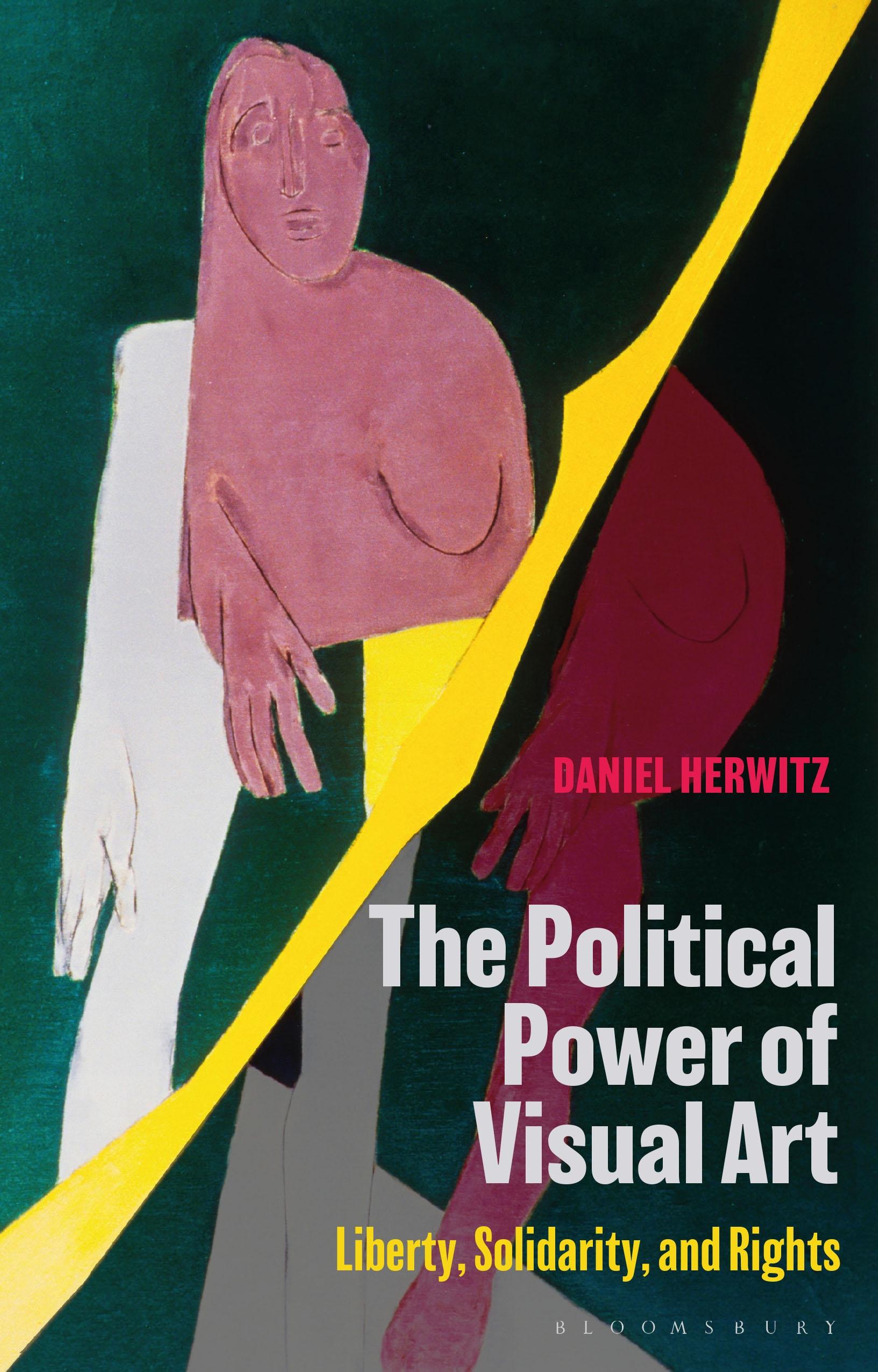
Visual art has a ubiquitous political cast today. But which politics? Daniel Herwitz seeks clarity on the various things meant by politics, and how we can evaluate their presumptions or aspirations in contemporary art.
Drawing on the work of William Kentridge, drenched in violence, race, and power, and the artworld immolations of Banksy, Herwitz's examples range from the NEA 4 and the question of offense-as-dissent, to the community driven work of George Gittoes, the identity politics of contemporary American art and (for contrast with the power of visual media) literature written in dialogue with truth commissions. He is interested in understanding art practices today in the light of two opposing inheritances: the avant-gardes and their politicization of the experimental art object, and 18th-century aesthetics, preaching the autonomy of the art object, which he interprets as the cultural compliment to modern liberalism. His historically-informed approach reveals how crucial this pair of legacies is to reading the tensions in voice and character of art today.
Driven by questions about the capacity of the visual medium to speak politically or acquire political agency, this book is for anyone working in aesthetics or the art world concerned with the fate of cultural politics in a world spinning out of control, yet within reach of emancipation.
Drawing on the work of William Kentridge, drenched in violence, race, and power, and the artworld immolations of Banksy, Herwitz's examples range from the NEA 4 and the question of offense-as-dissent, to the community driven work of George Gittoes, the identity politics of contemporary American art and (for contrast with the power of visual media) literature written in dialogue with truth commissions. He is interested in understanding art practices today in the light of two opposing inheritances: the avant-gardes and their politicization of the experimental art object, and 18th-century aesthetics, preaching the autonomy of the art object, which he interprets as the cultural compliment to modern liberalism. His historically-informed approach reveals how crucial this pair of legacies is to reading the tensions in voice and character of art today.
Driven by questions about the capacity of the visual medium to speak politically or acquire political agency, this book is for anyone working in aesthetics or the art world concerned with the fate of cultural politics in a world spinning out of control, yet within reach of emancipation.
Płać wygodnie kartą, Klarną, Apple Pay lub Google Pay. Nie jesteś zadowolony? Zawsze masz 14-dniową gwarancję zwrotu pieniędzy. Więcej przeczytasz w naszych warunkach. Masz pytania? Napisz do nas na hello@memmo.org.
Memmo ułatwia naukę – gdziekolwiek jesteś na świecie. U nas znajdziesz podręczniki i sprytne narzędzia do nauki w jednym miejscu: streszczenia, quizy, podcasty i fiszki. A do tego Ted, Twój kumpel do nauki, który odpowie na wszystko, co Cię nurtuje. Ponad 50 000 studentów już tu się uczy – stworzone, byś uczył się szybciej i mniej stresował.