
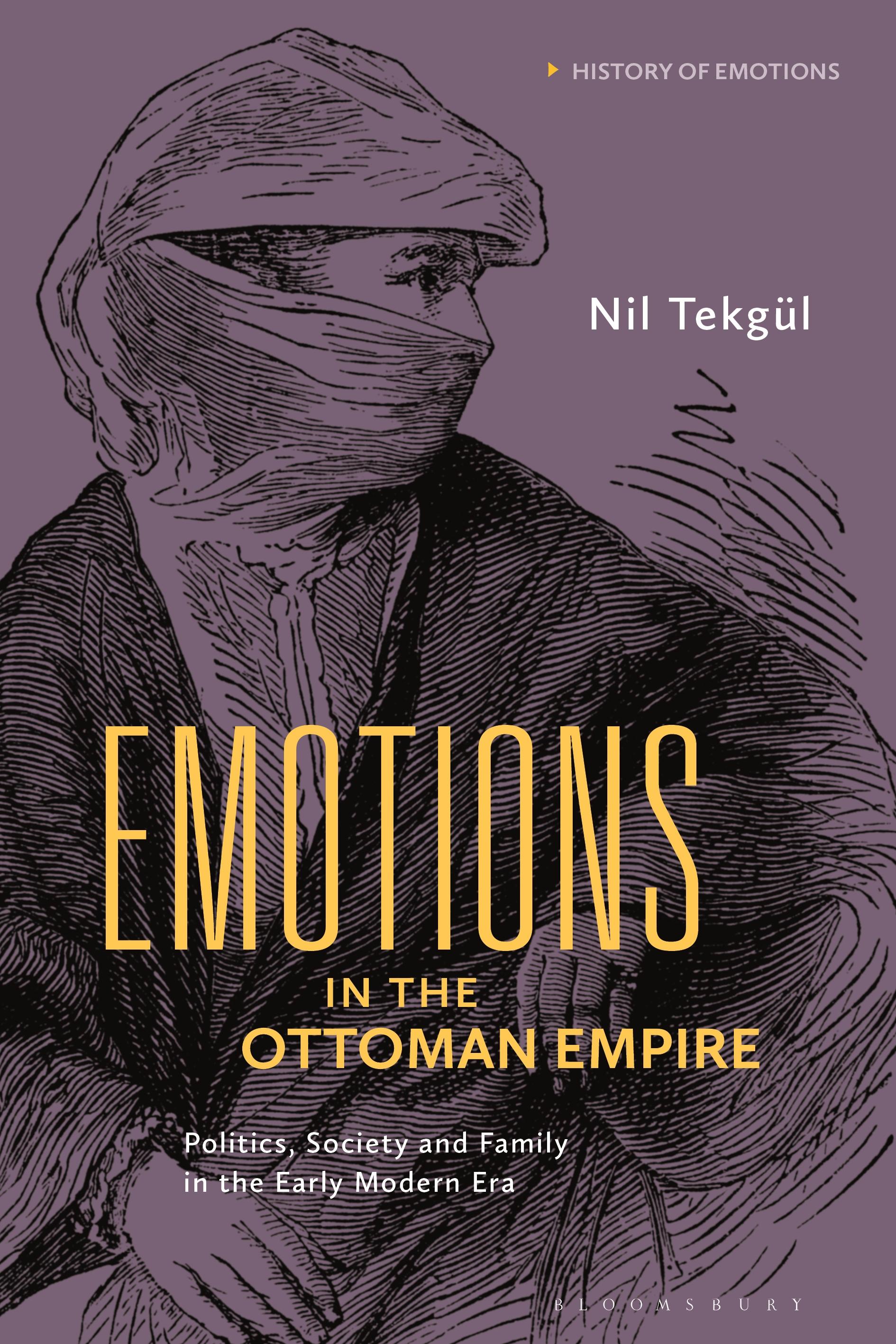
Exploring the political, social and familial ties in early modern Ottoman society, this book is a timely contribution to both the history of emotions and the study of the Ottoman Empire. Spanning love and compassion in political discourse, gratitude in communal relations to affection in the home, Emotions in the Ottoman Empire considers the role of emotions in both micro and macro settings.
Drawing on Ottoman primary sources such as advice manuals, judicial court records and imperial decrees, this book claims that the contested concept of 'protection', related to how and who to protect, was culturally specific and historically contingent and stands at the center of all debates about how the Ottoman empire and society itself employed the politics of difference. It explores what it felt like to protect and be protected in the early modern era and how Ottoman subjects conceptualized the unequal power relations. The central argument of the book is that it was emotions in the early modern era which provided the meaning of the concept of “protection”. It also traces change in meaning of protection in the nineteenth century and explores how emotions transformed or got lost in social, political and familial relations during the period of modernization.
Highlighting a culture that has so far been neglected in the history of emotions, this book looks to globalise the field and think more deeply about Ottoman society in the early modern period.
Drawing on Ottoman primary sources such as advice manuals, judicial court records and imperial decrees, this book claims that the contested concept of 'protection', related to how and who to protect, was culturally specific and historically contingent and stands at the center of all debates about how the Ottoman empire and society itself employed the politics of difference. It explores what it felt like to protect and be protected in the early modern era and how Ottoman subjects conceptualized the unequal power relations. The central argument of the book is that it was emotions in the early modern era which provided the meaning of the concept of “protection”. It also traces change in meaning of protection in the nineteenth century and explores how emotions transformed or got lost in social, political and familial relations during the period of modernization.
Highlighting a culture that has so far been neglected in the history of emotions, this book looks to globalise the field and think more deeply about Ottoman society in the early modern period.
Płać wygodnie kartą, Klarną, Apple Pay lub Google Pay. Nie jesteś zadowolony? Zawsze masz 14-dniową gwarancję zwrotu pieniędzy. Więcej przeczytasz w naszych warunkach. Masz pytania? Napisz do nas na hello@memmo.org.
Memmo ułatwia naukę – gdziekolwiek jesteś na świecie. U nas znajdziesz podręczniki i sprytne narzędzia do nauki w jednym miejscu: streszczenia, quizy, podcasty i fiszki. A do tego Ted, Twój kumpel do nauki, który odpowie na wszystko, co Cię nurtuje. Ponad 50 000 studentów już tu się uczy – stworzone, byś uczył się szybciej i mniej stresował.