
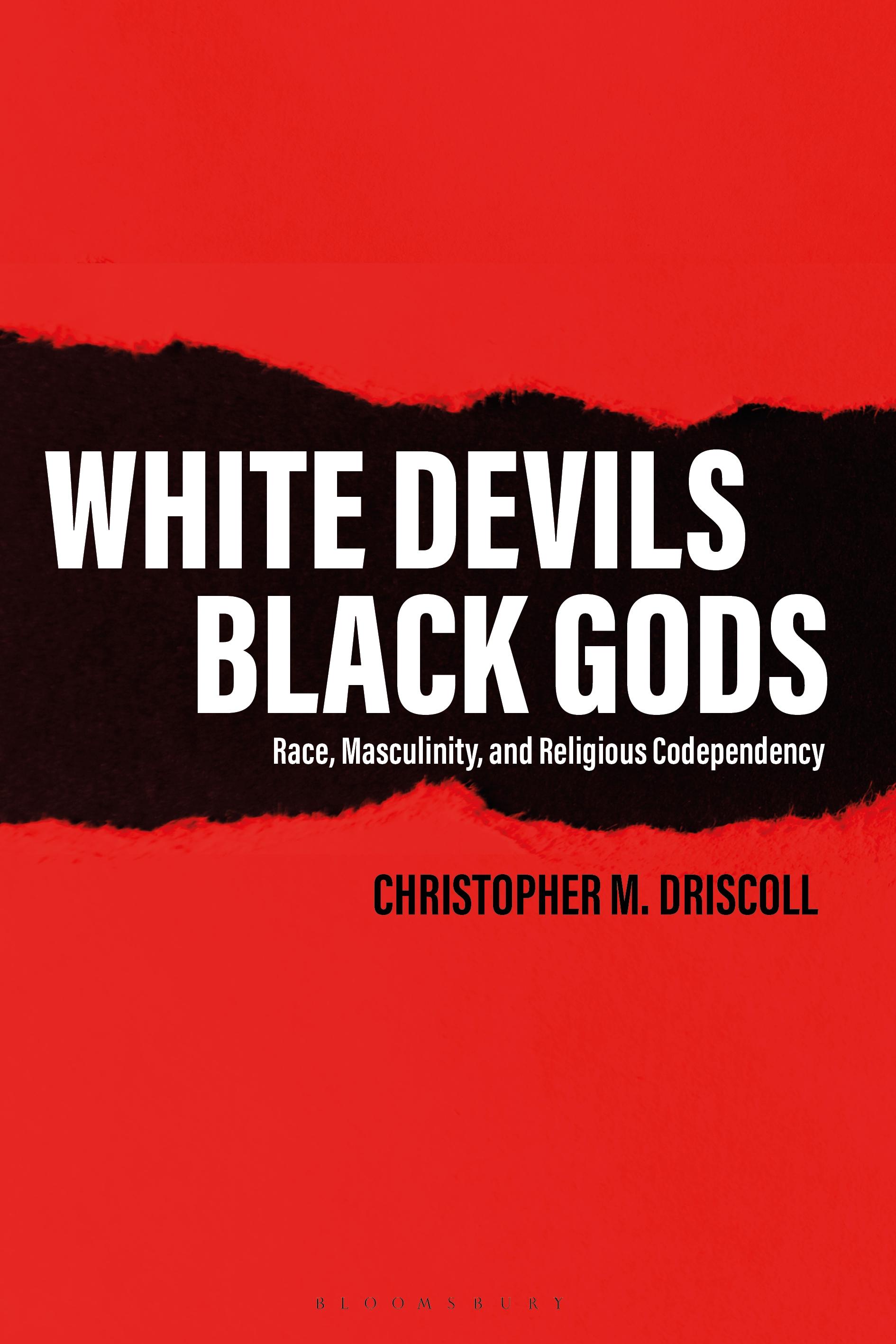
Interweaving academic theory, (auto)ethnography, and memoir-styled narrative, Christopher M. Driscoll explores what the “white devil” trope means for understanding and responding to tensions emerging from toxic white masculinity.
The book provides a historical and philosophical account of the “white devil” as it appears in the stories and myths of various black religious and philosophical traditions, particularly as these traditions are expressed through the contemporary cultural expression of hip-hop. Driscoll argues that the trope of the white devil emerges from a self-hatred in many white men that is concealed (and revealed) through various defence mechanisms – principally, anger – and the book provides rich ground to discuss the relationship between perceptions of self (i.e. who we are), emotional regulation, and our behaviour towards others (i.e. how we act).
The book provides a historical and philosophical account of the “white devil” as it appears in the stories and myths of various black religious and philosophical traditions, particularly as these traditions are expressed through the contemporary cultural expression of hip-hop. Driscoll argues that the trope of the white devil emerges from a self-hatred in many white men that is concealed (and revealed) through various defence mechanisms – principally, anger – and the book provides rich ground to discuss the relationship between perceptions of self (i.e. who we are), emotional regulation, and our behaviour towards others (i.e. how we act).
Płać wygodnie kartą, Klarną, Apple Pay lub Google Pay. Nie jesteś zadowolony? Zawsze masz 14-dniową gwarancję zwrotu pieniędzy. Więcej przeczytasz w naszych warunkach. Masz pytania? Napisz do nas na hello@memmo.org.
Memmo ułatwia naukę – gdziekolwiek jesteś na świecie. U nas znajdziesz podręczniki i sprytne narzędzia do nauki w jednym miejscu: streszczenia, quizy, podcasty i fiszki. A do tego Ted, Twój kumpel do nauki, który odpowie na wszystko, co Cię nurtuje. Ponad 50 000 studentów już tu się uczy – stworzone, byś uczył się szybciej i mniej stresował.