
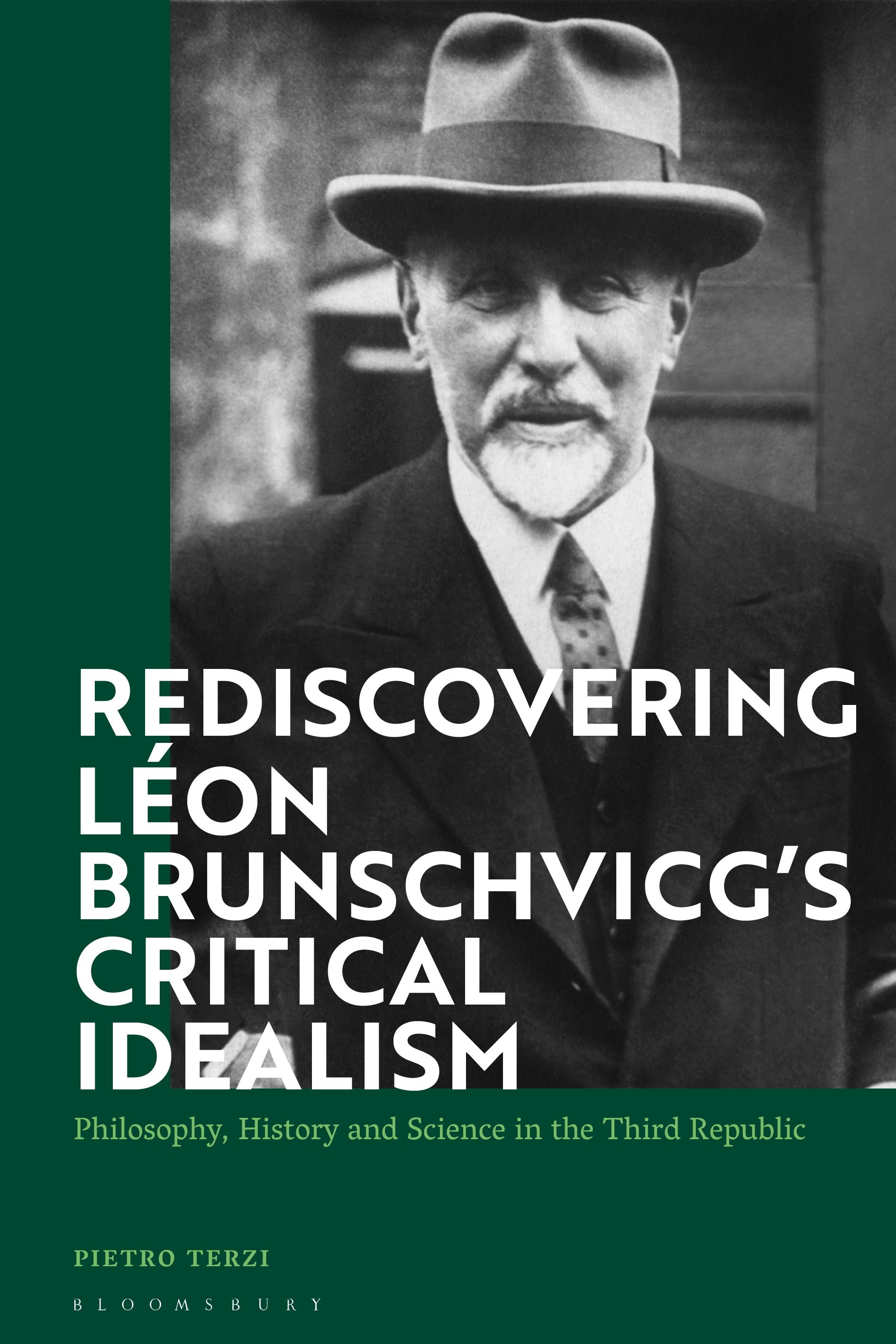
Léon Brunschvicg's contribution to philosophical thought in fin-de-siècle France receives full explication in the first English-language study on his work. Arguing that Brunschvicg is crucial to understanding the philosophical schools which took root in 20th-century France, Pietro Terzi locates Brunschvicg alongside his contemporary Henri Bergson, as well as the range of thinkers he taught and influenced, including Lévinas, Merleau-Ponty, de Beauvoir, and Sartre. Brunschvicg's deep engagement with debates concerning spiritualism and rationalism, neo-Kantian philosophy, and the role of mathematics in philosophy made him the perfect supervisor for a whole host of nascent philosophical ideas which were forming in the work of his students.
Terzi outlines Brunchvicg's defence of neo-Kantian judgement, historical analysis and the inextricability of the natural and humanist sciences to any rigorous system of philosophy, with wide-ranging implications for contemporary scholarship.
Terzi outlines Brunchvicg's defence of neo-Kantian judgement, historical analysis and the inextricability of the natural and humanist sciences to any rigorous system of philosophy, with wide-ranging implications for contemporary scholarship.
Płać wygodnie kartą, Klarną, Apple Pay lub Google Pay. Nie jesteś zadowolony? Zawsze masz 14-dniową gwarancję zwrotu pieniędzy. Więcej przeczytasz w naszych warunkach. Masz pytania? Napisz do nas na hello@memmo.org.
Memmo ułatwia naukę – gdziekolwiek jesteś na świecie. U nas znajdziesz podręczniki i sprytne narzędzia do nauki w jednym miejscu: streszczenia, quizy, podcasty i fiszki. A do tego Ted, Twój kumpel do nauki, który odpowie na wszystko, co Cię nurtuje. Ponad 50 000 studentów już tu się uczy – stworzone, byś uczył się szybciej i mniej stresował.