
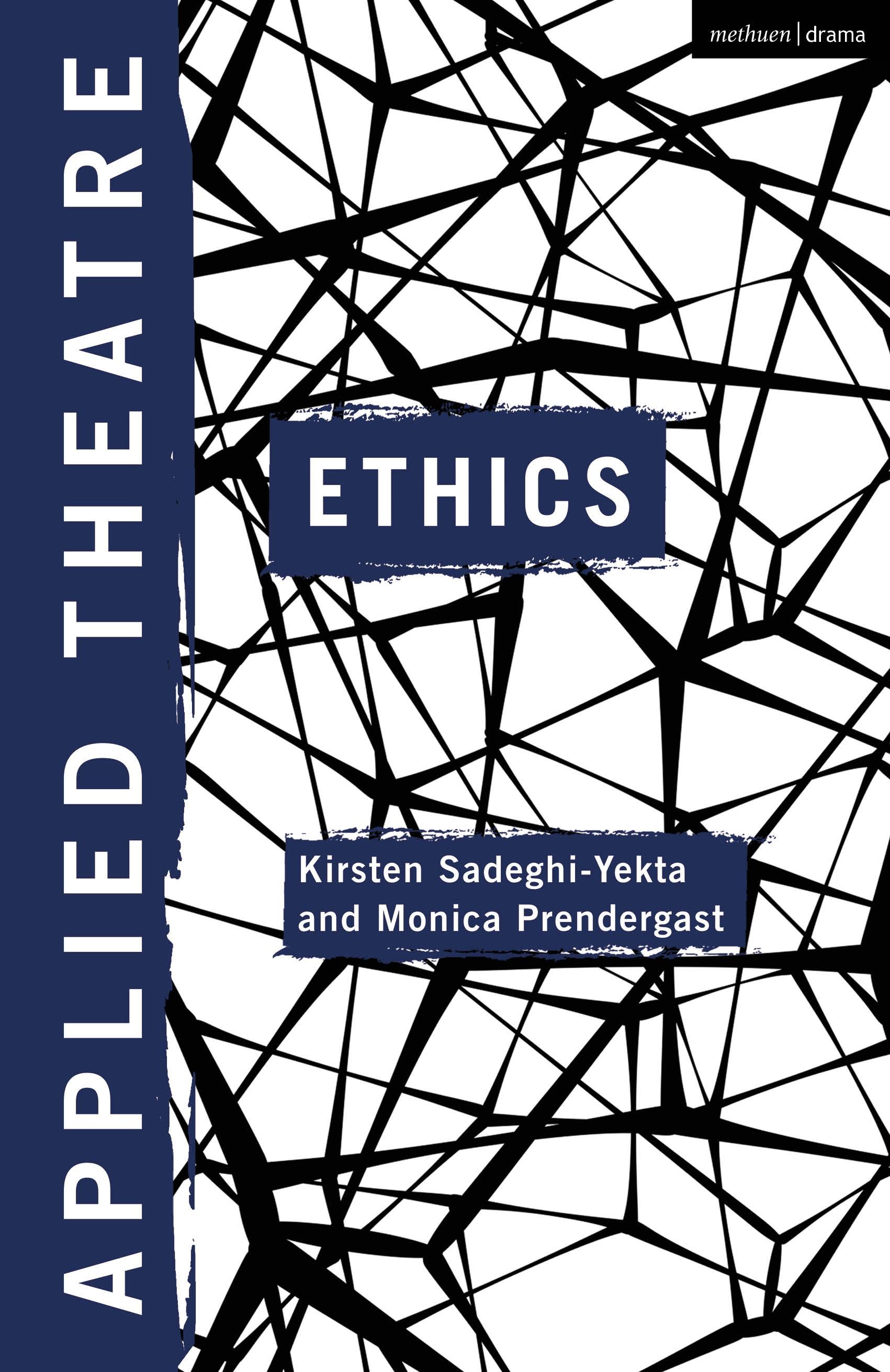
Applied Theatre: Ethics explores what it means for applied theatre practice to be conducted in an ethical way and examines how this affects the work done with communities and participants. It considers how practitioners can balance aesthetics and ethics when creating performance, particularly with relatively inexperienced and often vulnerable groups of people who are being asked to both tell and stage their stories. The two sections bring together theoretical and practical ways for theatre-makers to examine the ethics of their applied theatre projects.
Part One offers an overview of critical debates and the editors' reflections on their own practice. It introduces readers to ethics in applied theatre, informed by the thinking of philosophers, scholarly literature and the editors' own experience, including Indigenous perspectives on ethics and theatre. For applied theatre practitioners, it provides recommendations for community-based ethical approaches working with principles of voice, agency, care, service, collaboration, presence, relationality and reciprocity.
Part Two presents a range of international case studies that explore how the theories and issues are worked out in a variety of diverse practices. It considers ethics from varying critical perspectives and contexts, including projects in Greece, Nigeria, Sri Lanka, Bangladesh, the United States, the United Kingdom, the Philippines and Canada. Covering work with participants of many ages, the case studies include the work of a professional dance theatre company working with people in substance abuse recovery in the UK, interactive drama used in an educational context in Nigeria, and the complexities around an applied theatre project on race in the US.
Part One offers an overview of critical debates and the editors' reflections on their own practice. It introduces readers to ethics in applied theatre, informed by the thinking of philosophers, scholarly literature and the editors' own experience, including Indigenous perspectives on ethics and theatre. For applied theatre practitioners, it provides recommendations for community-based ethical approaches working with principles of voice, agency, care, service, collaboration, presence, relationality and reciprocity.
Part Two presents a range of international case studies that explore how the theories and issues are worked out in a variety of diverse practices. It considers ethics from varying critical perspectives and contexts, including projects in Greece, Nigeria, Sri Lanka, Bangladesh, the United States, the United Kingdom, the Philippines and Canada. Covering work with participants of many ages, the case studies include the work of a professional dance theatre company working with people in substance abuse recovery in the UK, interactive drama used in an educational context in Nigeria, and the complexities around an applied theatre project on race in the US.
Płać wygodnie kartą, Klarną, Apple Pay lub Google Pay. Nie jesteś zadowolony? Zawsze masz 14-dniową gwarancję zwrotu pieniędzy. Więcej przeczytasz w naszych warunkach. Masz pytania? Napisz do nas na hello@memmo.org.
Memmo ułatwia naukę – gdziekolwiek jesteś na świecie. U nas znajdziesz podręczniki i sprytne narzędzia do nauki w jednym miejscu: streszczenia, quizy, podcasty i fiszki. A do tego Ted, Twój kumpel do nauki, który odpowie na wszystko, co Cię nurtuje. Ponad 50 000 studentów już tu się uczy – stworzone, byś uczył się szybciej i mniej stresował.