
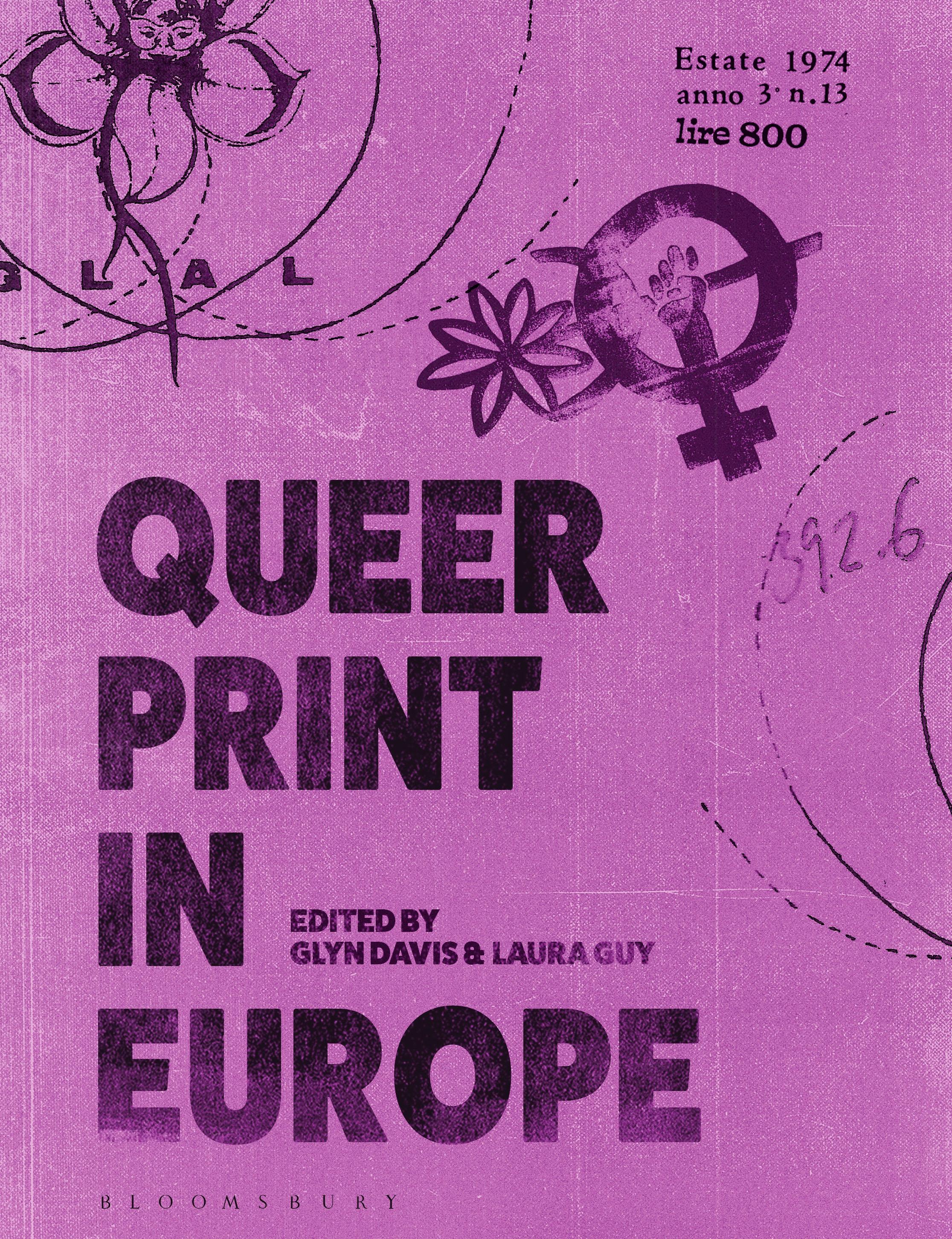
How have radical print cultures fostered and preserved queer lived experience from the 1960s to the present? What alternative stories about queer life across Europe can visual material reveal?
Queer Print in Europe is the first book devoted to the exploration of queer print cultures in Europe, following the birth of an international gay rights movement in the late 1960s. By unearthing these ephemeral paper documents from archives and personal collections, including materials that have been out of circulation since they were first distributed, this book examines how the production and dissemination of queer print intersected with the emergence of LGBTQ+ activism within specific national contexts. This vital contribution to queer history explores borders and political movements, and the ways in which these materials contributed, through their international circulation, to the creation of a 'post-national' queer community.
Illustrated throughout with examples of manifestos, flyers, posters, zines and other forms of print media, it features interviews with those responsible for making, distributing or archiving queer print, alongside a series of new theoretical essays that set particular publications and the individuals and groups that produced them in context. The book isolates specific instances of queer print media and scrutinises their design aesthetics, identifying both the significant contribution that queer print has made to histories of LGBTQ+ struggle and to the history of print design.
Queer Print in Europe is the first book devoted to the exploration of queer print cultures in Europe, following the birth of an international gay rights movement in the late 1960s. By unearthing these ephemeral paper documents from archives and personal collections, including materials that have been out of circulation since they were first distributed, this book examines how the production and dissemination of queer print intersected with the emergence of LGBTQ+ activism within specific national contexts. This vital contribution to queer history explores borders and political movements, and the ways in which these materials contributed, through their international circulation, to the creation of a 'post-national' queer community.
Illustrated throughout with examples of manifestos, flyers, posters, zines and other forms of print media, it features interviews with those responsible for making, distributing or archiving queer print, alongside a series of new theoretical essays that set particular publications and the individuals and groups that produced them in context. The book isolates specific instances of queer print media and scrutinises their design aesthetics, identifying both the significant contribution that queer print has made to histories of LGBTQ+ struggle and to the history of print design.
Płać wygodnie kartą, Klarną, Apple Pay lub Google Pay. Nie jesteś zadowolony? Zawsze masz 14-dniową gwarancję zwrotu pieniędzy. Więcej przeczytasz w naszych warunkach. Masz pytania? Napisz do nas na hello@memmo.org.
Memmo ułatwia naukę – gdziekolwiek jesteś na świecie. U nas znajdziesz podręczniki i sprytne narzędzia do nauki w jednym miejscu: streszczenia, quizy, podcasty i fiszki. A do tego Ted, Twój kumpel do nauki, który odpowie na wszystko, co Cię nurtuje. Ponad 50 000 studentów już tu się uczy – stworzone, byś uczył się szybciej i mniej stresował.