
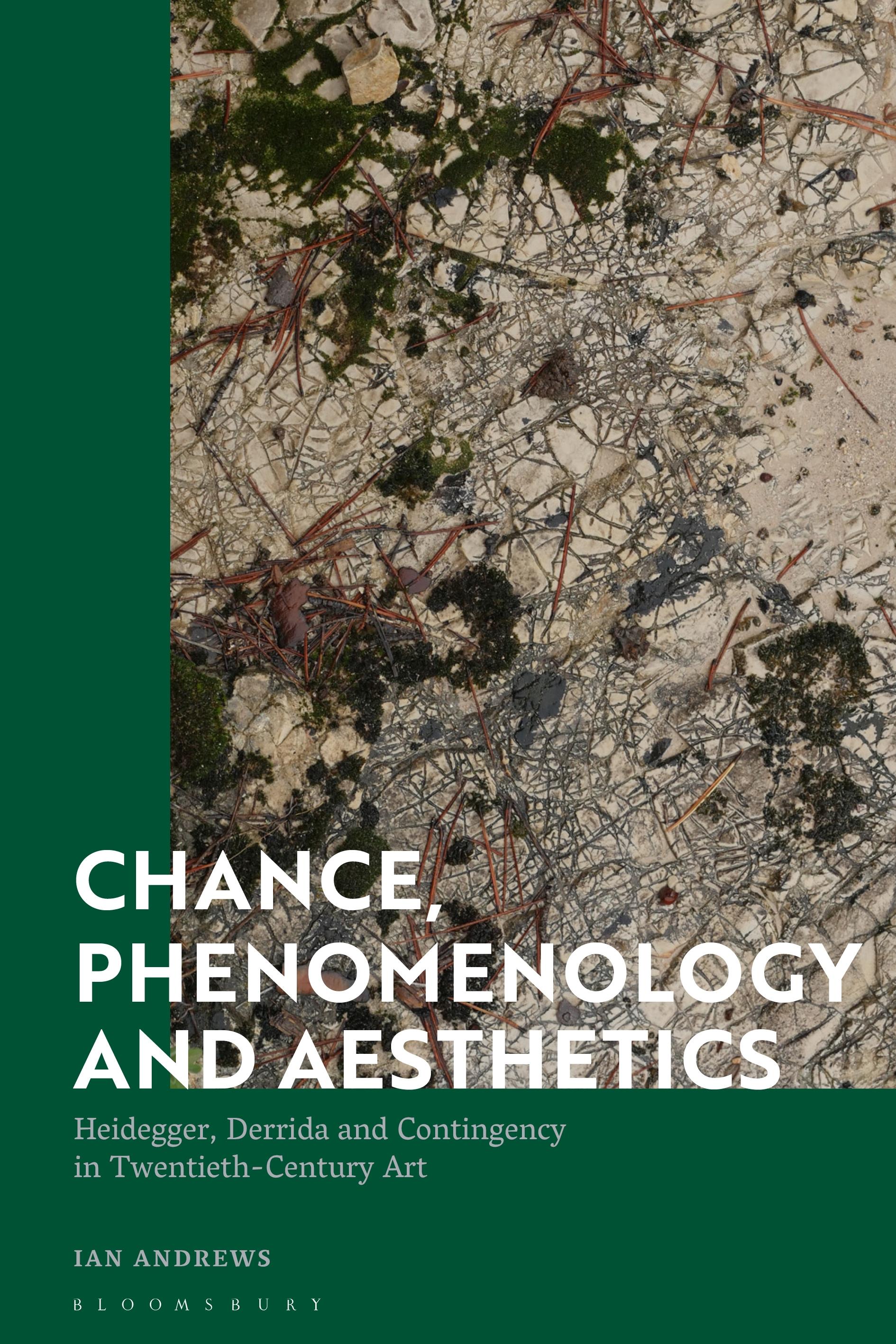
In drawing upon the work of Jacques Derrida, Edmund Husserl and Martin Heidegger and aligning it with a new trend in interdisciplinary phenomenology, Ian Andrews provides a unique look at the role of chance in art and its philosophical implications. His account of how the composer John Cage and other avant-garde creatives such as Marcel Duchamp, Tristan Tzara, Sol LeWitt and Ed Ruscha used chance in their work to question the structures of experience and prompt a new engagement with these phenomena makes a truly important contribution to Continental philosophy.
Chance, Phenomenology and Aesthetics will appeal to scholars and advanced students in the disciplines of phenomenology, deconstruction and hermeneutics, as well as being compelling reading for anyone interested in pursuing sound studies, art theory and art history through an interdisciplinary post-phenomenological lens.
Chance, Phenomenology and Aesthetics will appeal to scholars and advanced students in the disciplines of phenomenology, deconstruction and hermeneutics, as well as being compelling reading for anyone interested in pursuing sound studies, art theory and art history through an interdisciplinary post-phenomenological lens.
Płać wygodnie kartą, Klarną, Apple Pay lub Google Pay. Nie jesteś zadowolony? Zawsze masz 14-dniową gwarancję zwrotu pieniędzy. Więcej przeczytasz w naszych warunkach. Masz pytania? Napisz do nas na hello@memmo.org.
Memmo ułatwia naukę – gdziekolwiek jesteś na świecie. U nas znajdziesz podręczniki i sprytne narzędzia do nauki w jednym miejscu: streszczenia, quizy, podcasty i fiszki. A do tego Ted, Twój kumpel do nauki, który odpowie na wszystko, co Cię nurtuje. Ponad 50 000 studentów już tu się uczy – stworzone, byś uczył się szybciej i mniej stresował.