
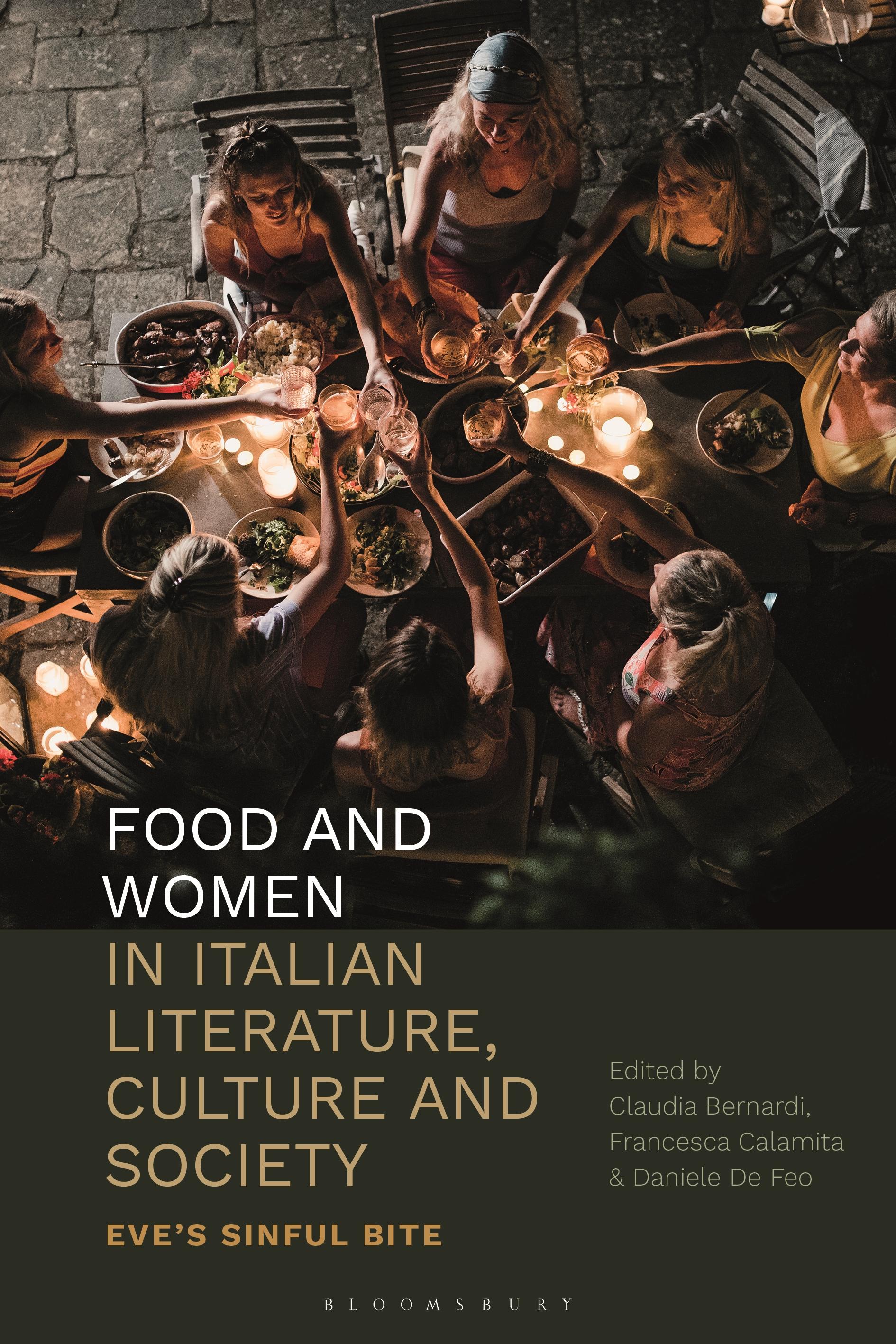
This book explores how women's relationship with food has been represented in Italian literature, cinema, scientific writings and other forms of cultural expression from the 19th century to the present.
Italian women have often been portrayed cooking and serving meals to others, while denying themselves the pleasure of the table. The collection presents a comprehensive understanding of the symbolic meanings associated with food and of the way these intersect with Italian women's socio-cultural history and the feminist movement.
From case studies on Sophia Loren and Elena Ferrante, to analyses of cookbooks by Italian chefs, each chapter examines the unique contribution Italian culture has made to perceiving and portraying women in a specific relation to food, addressing issues of gender, identity and politics of the body.
Italian women have often been portrayed cooking and serving meals to others, while denying themselves the pleasure of the table. The collection presents a comprehensive understanding of the symbolic meanings associated with food and of the way these intersect with Italian women's socio-cultural history and the feminist movement.
From case studies on Sophia Loren and Elena Ferrante, to analyses of cookbooks by Italian chefs, each chapter examines the unique contribution Italian culture has made to perceiving and portraying women in a specific relation to food, addressing issues of gender, identity and politics of the body.
Płać wygodnie kartą, Klarną, Apple Pay lub Google Pay. Nie jesteś zadowolony? Zawsze masz 14-dniową gwarancję zwrotu pieniędzy. Więcej przeczytasz w naszych warunkach. Masz pytania? Napisz do nas na hello@memmo.org.
Memmo ułatwia naukę – gdziekolwiek jesteś na świecie. U nas znajdziesz podręczniki i sprytne narzędzia do nauki w jednym miejscu: streszczenia, quizy, podcasty i fiszki. A do tego Ted, Twój kumpel do nauki, który odpowie na wszystko, co Cię nurtuje. Ponad 50 000 studentów już tu się uczy – stworzone, byś uczył się szybciej i mniej stresował.