
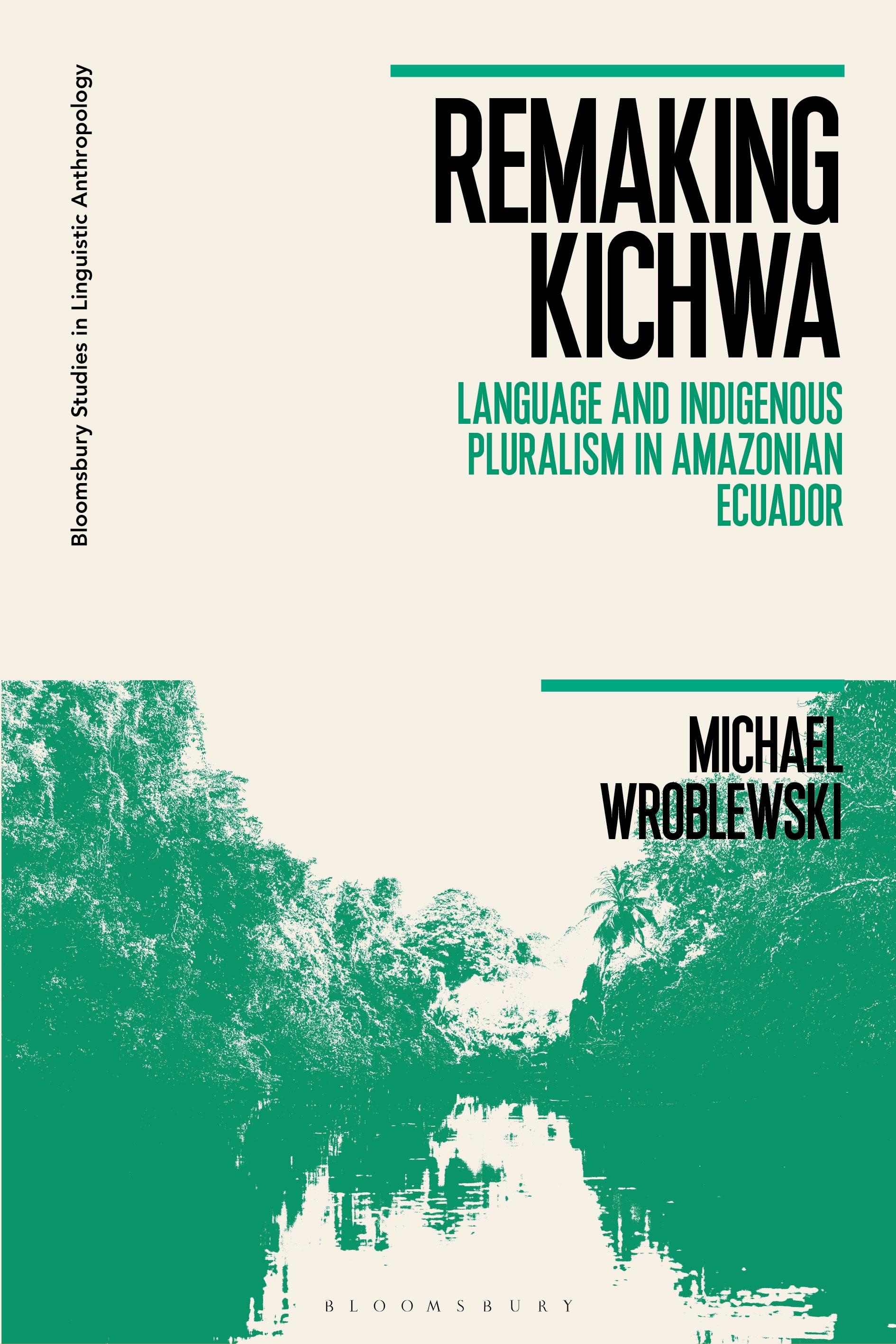
Investigating the efforts of the Kichwa of Tena, Ecuador to reverse language shift to Spanish, this book examines the ways in which Indigenous language can be revitalized and how creative bilingual forms of discourse can reshape the identities and futures of local populations. Based on deep ethnographic fieldwork among urban, periurban, and rural indigenous Kichwa communities, Michael Wroblewski explores adaptations to culture contact, language revitalization, and political mobilization through discourse.
Expanding the ethnographic picture of native Amazonians and their traditional discourse practices, this book focuses attention on Kichwas' diverse engagements with rural and urban ways of living, local and global ways of speaking, and Indigenous and dominant intellectual traditions. Wroblewski reveals the composite nature of indigenous words and worlds through conversational interviews, oral history narratives, political speechmaking, and urban performance media, showing how discourse is a critical focal point for studying cultural adaptation. Highlighting how Kichwas assert autonomy through creative forms of self-representation, Remaking Kichwa moves the study of Indigenous language into the globalized era and offers innovative reconsiderations of Indigeneity, discourse, and identity.
Expanding the ethnographic picture of native Amazonians and their traditional discourse practices, this book focuses attention on Kichwas' diverse engagements with rural and urban ways of living, local and global ways of speaking, and Indigenous and dominant intellectual traditions. Wroblewski reveals the composite nature of indigenous words and worlds through conversational interviews, oral history narratives, political speechmaking, and urban performance media, showing how discourse is a critical focal point for studying cultural adaptation. Highlighting how Kichwas assert autonomy through creative forms of self-representation, Remaking Kichwa moves the study of Indigenous language into the globalized era and offers innovative reconsiderations of Indigeneity, discourse, and identity.
Płać wygodnie kartą, Klarną, Apple Pay lub Google Pay. Nie jesteś zadowolony? Zawsze masz 14-dniową gwarancję zwrotu pieniędzy. Więcej przeczytasz w naszych warunkach. Masz pytania? Napisz do nas na hello@memmo.org.
Memmo ułatwia naukę – gdziekolwiek jesteś na świecie. U nas znajdziesz podręczniki i sprytne narzędzia do nauki w jednym miejscu: streszczenia, quizy, podcasty i fiszki. A do tego Ted, Twój kumpel do nauki, który odpowie na wszystko, co Cię nurtuje. Ponad 50 000 studentów już tu się uczy – stworzone, byś uczył się szybciej i mniej stresował.