
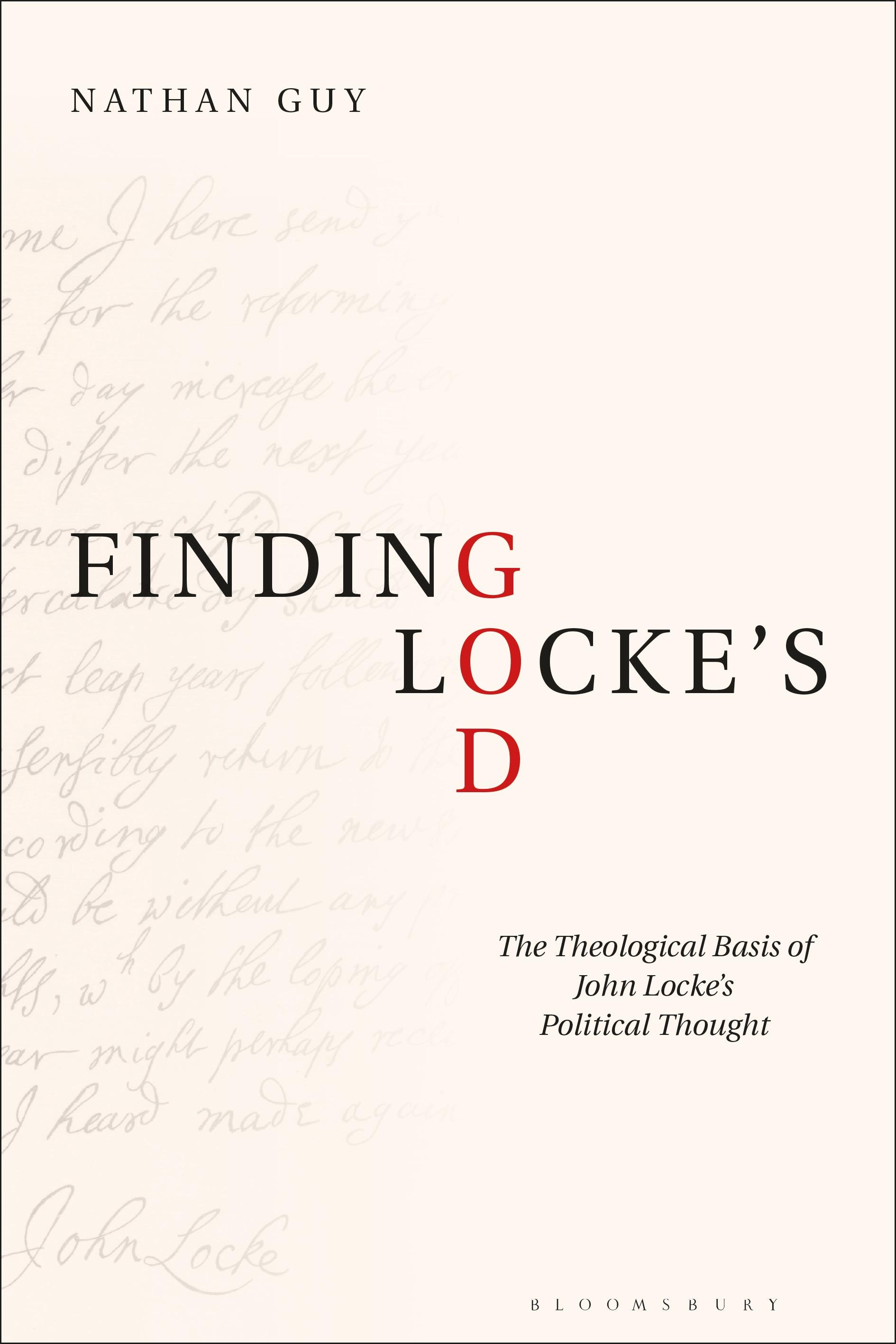
The portrait of John Locke as a secular advocate of Enlightenment rationality has been deconstructed by the recent 'religious turn' in Locke scholarship. This book takes an important next step: moving beyond the 'religious turn' and establishing a 'theological turn', Nathan Guy argues that John Locke ought to be viewed as a Christian political philosopher whose political theory was firmly rooted in the moderating Latitudinarian theology of the seventeenth-century.
Nestled between the secular political philosopher and the Christian public theologian stands Locke, the Christian political philosopher, whose arguments not only self-consciously depend upon Christian assumptions, but also offer a decidedly Christian theory of government. Finding Locke's God identifies three theological pillars crucial to Locke's political theory: (1) a biblical depiction of God, (2) the law of nature rooted in a doctrine of creation and (3) acceptance of divine revelation in scripture. As a result, Locke's political philosophy brings forth theologically-rich aims, while seeking to counter or disarm threats such as atheism, hyper-Calvinism, and religious enthusiasm.
Bringing these items together, Nathan Guy demonstrates how each pillar supports Locke's Latitudinarian political philosophy and provides a better understanding of how he grounds his notions of freedom, equality and religious toleration. Convincingly argued and meticulously researched, this book offers an exciting new direction for Locke studies.
Nestled between the secular political philosopher and the Christian public theologian stands Locke, the Christian political philosopher, whose arguments not only self-consciously depend upon Christian assumptions, but also offer a decidedly Christian theory of government. Finding Locke's God identifies three theological pillars crucial to Locke's political theory: (1) a biblical depiction of God, (2) the law of nature rooted in a doctrine of creation and (3) acceptance of divine revelation in scripture. As a result, Locke's political philosophy brings forth theologically-rich aims, while seeking to counter or disarm threats such as atheism, hyper-Calvinism, and religious enthusiasm.
Bringing these items together, Nathan Guy demonstrates how each pillar supports Locke's Latitudinarian political philosophy and provides a better understanding of how he grounds his notions of freedom, equality and religious toleration. Convincingly argued and meticulously researched, this book offers an exciting new direction for Locke studies.
Płać wygodnie kartą, Klarną, Apple Pay lub Google Pay. Nie jesteś zadowolony? Zawsze masz 14-dniową gwarancję zwrotu pieniędzy. Więcej przeczytasz w naszych warunkach. Masz pytania? Napisz do nas na hello@memmo.org.
Memmo ułatwia naukę – gdziekolwiek jesteś na świecie. U nas znajdziesz podręczniki i sprytne narzędzia do nauki w jednym miejscu: streszczenia, quizy, podcasty i fiszki. A do tego Ted, Twój kumpel do nauki, który odpowie na wszystko, co Cię nurtuje. Ponad 50 000 studentów już tu się uczy – stworzone, byś uczył się szybciej i mniej stresował.