
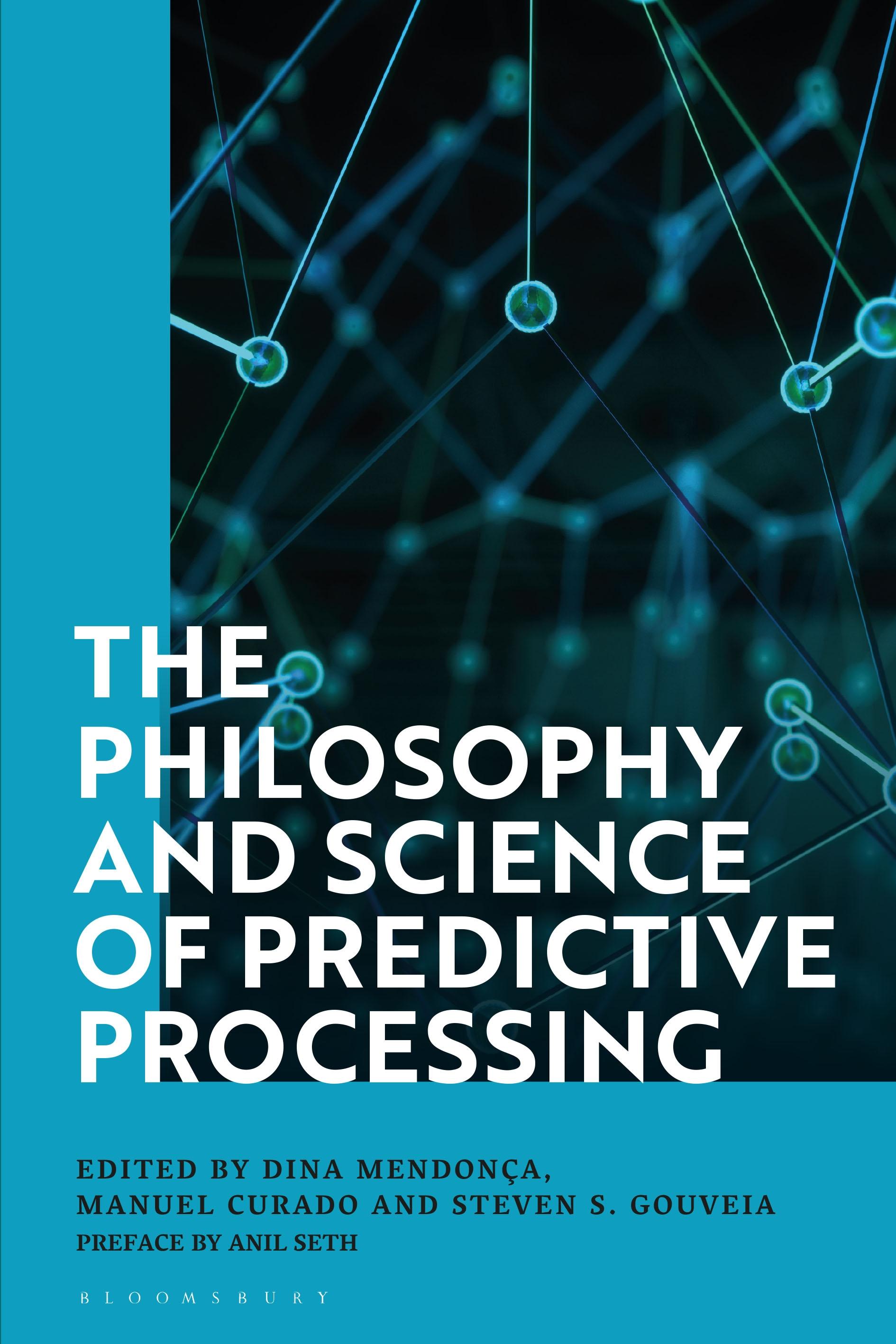
This book explores how predictive processing, which argues that our brains are constantly generating and updating hypotheses about our external conditions, sheds new light on the nature of the mind. It shows how it is similar to and expands other theoretical approaches that emphasize the active role of the mind and its dynamic function.
Offering a complete guide to the philosophical and empirical implications of predictive processing, contributors bring perspectives from philosophy, neuroscience, and psychology. Together, they explore the many philosophical applications of predictive processing and its exciting potential across mental health, cognitive science, neuroscience, and robotics.
Presenting an extensive and balanced overview of the subject, The Philosophy and Science of Predictive Processing is a landmark volume within philosophy of mind.
Offering a complete guide to the philosophical and empirical implications of predictive processing, contributors bring perspectives from philosophy, neuroscience, and psychology. Together, they explore the many philosophical applications of predictive processing and its exciting potential across mental health, cognitive science, neuroscience, and robotics.
Presenting an extensive and balanced overview of the subject, The Philosophy and Science of Predictive Processing is a landmark volume within philosophy of mind.
Płać wygodnie kartą, Klarną, Apple Pay lub Google Pay. Nie jesteś zadowolony? Zawsze masz 14-dniową gwarancję zwrotu pieniędzy. Więcej przeczytasz w naszych warunkach. Masz pytania? Napisz do nas na hello@memmo.org.
Memmo ułatwia naukę – gdziekolwiek jesteś na świecie. U nas znajdziesz podręczniki i sprytne narzędzia do nauki w jednym miejscu: streszczenia, quizy, podcasty i fiszki. A do tego Ted, Twój kumpel do nauki, który odpowie na wszystko, co Cię nurtuje. Ponad 50 000 studentów już tu się uczy – stworzone, byś uczył się szybciej i mniej stresował.