
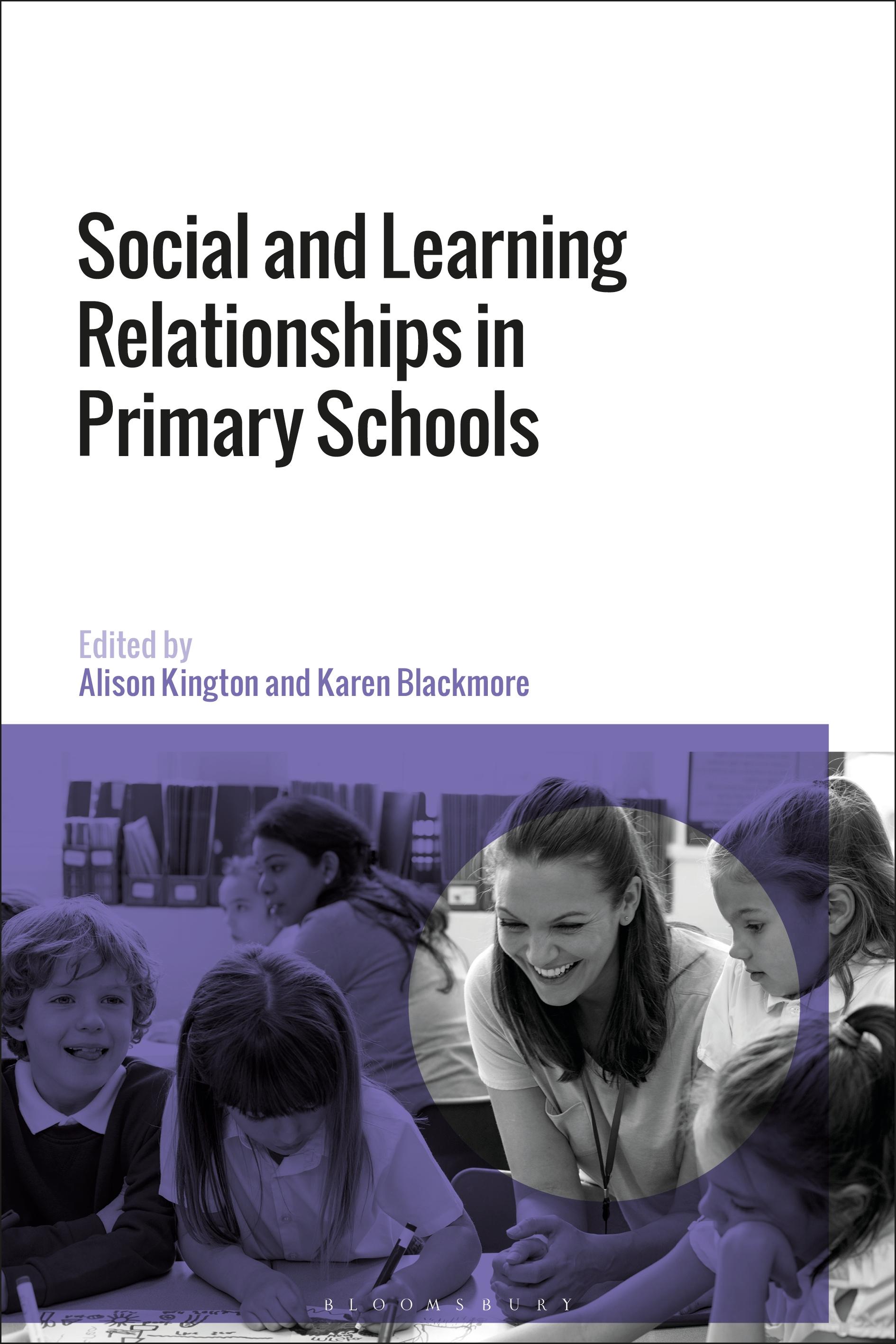
One of the most important factors in pupils' success in school are the relationships developed with teachers and other children. Not only are these relationships important in their own right, but they have considerable bearing on pupil motivation, achievement, and on their perceptions of themselves as learners. Social and Learning Relationships in Primary Schools is based upon, but not confined by, recent research projects focused on a range of relationships that exist within English primary schools. This text provides substantial evidence and rich insights into the development and ongoing influences on these social and learning relationships, relating to both the academic and affective outcomes of pupils.
The book is presented in four parts: i) social interaction and the curriculum; ii) classroom relationships and the impact on learning; iii) professional identity and professional development; and iv) individual differences and inclusion. Through these sections, the authors identify important features of primary schooling including, for example, delivery of the core subjects, learning environment, role of student teachers in schools, classroom technology, and the transition between phases of education. They examine a number of social psychological influences on these relationships in terms of career phase, professional identity, adult-child and peer relationships, and self-efficacy and provide powerful evidence of the complexities of primary school life.
Drawing together the perspectives of a number of authors, all of whom have served as practising teachers as well as gaining a wealth of experience in the higher education sector, Social and Learning Relationships in Primary Schools offers a detailed and holistic understanding of the influences that shape learning, policy and practice in this context.
The book is presented in four parts: i) social interaction and the curriculum; ii) classroom relationships and the impact on learning; iii) professional identity and professional development; and iv) individual differences and inclusion. Through these sections, the authors identify important features of primary schooling including, for example, delivery of the core subjects, learning environment, role of student teachers in schools, classroom technology, and the transition between phases of education. They examine a number of social psychological influences on these relationships in terms of career phase, professional identity, adult-child and peer relationships, and self-efficacy and provide powerful evidence of the complexities of primary school life.
Drawing together the perspectives of a number of authors, all of whom have served as practising teachers as well as gaining a wealth of experience in the higher education sector, Social and Learning Relationships in Primary Schools offers a detailed and holistic understanding of the influences that shape learning, policy and practice in this context.
Płać wygodnie kartą, Klarną, Apple Pay lub Google Pay. Nie jesteś zadowolony? Zawsze masz 14-dniową gwarancję zwrotu pieniędzy. Więcej przeczytasz w naszych warunkach. Masz pytania? Napisz do nas na hello@memmo.org.
Memmo ułatwia naukę – gdziekolwiek jesteś na świecie. U nas znajdziesz podręczniki i sprytne narzędzia do nauki w jednym miejscu: streszczenia, quizy, podcasty i fiszki. A do tego Ted, Twój kumpel do nauki, który odpowie na wszystko, co Cię nurtuje. Ponad 50 000 studentów już tu się uczy – stworzone, byś uczył się szybciej i mniej stresował.