
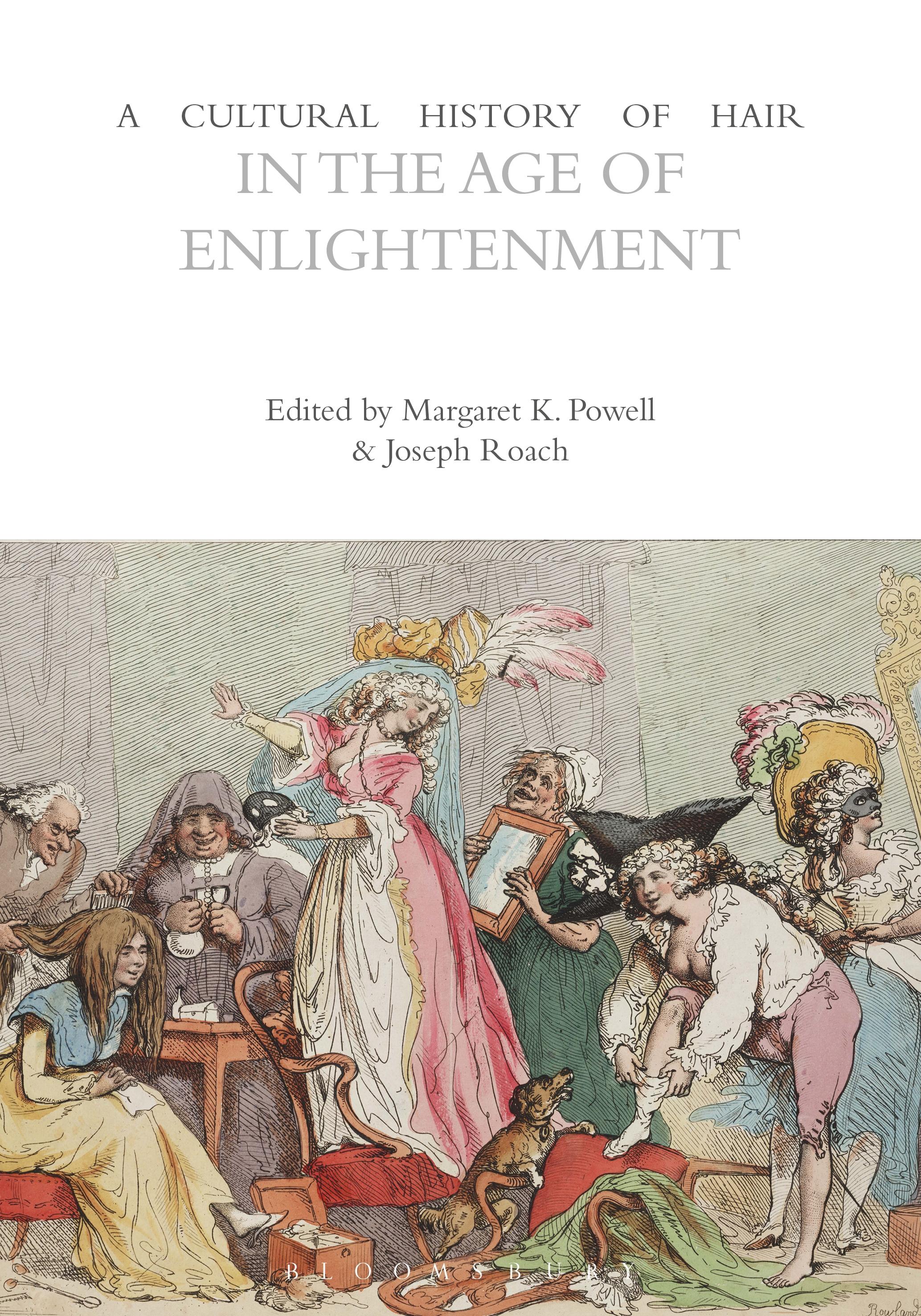
Hair, or lack of it, is one the most significant identifiers of individuals in any society. In Antiquity, the power of hair to send a series of social messages was no different. This volume covers nearly a thousand years of history, from Archaic Greece to the end of the Roman Empire, concentrating on what is now Europe, North Africa, and the Near East. Among the key issues identified by its authors is the recognition that in any given society male and female hair tend to be opposites (when male hair is generally short, women's is long); that hair is a marker of age and stage of life (children and young people have longer, less confined hairstyles; adult hair is far more controlled); hair can be used to identify the 'other' in terms of race and ethnicity but also those who stand outside social norms such as witches and mad women.
The chapters in A Cultural History of Hair in Antiquity cover the following topics: religion and ritualized belief, self and society, fashion and adornment, production and practice, health and hygiene, gender and sexuality, race and ethnicity, class and social status, and cultural representations.
The chapters in A Cultural History of Hair in Antiquity cover the following topics: religion and ritualized belief, self and society, fashion and adornment, production and practice, health and hygiene, gender and sexuality, race and ethnicity, class and social status, and cultural representations.
Płać wygodnie kartą, Klarną, Apple Pay lub Google Pay. Nie jesteś zadowolony? Zawsze masz 14-dniową gwarancję zwrotu pieniędzy. Więcej przeczytasz w naszych warunkach. Masz pytania? Napisz do nas na hello@memmo.org.
Memmo ułatwia naukę – gdziekolwiek jesteś na świecie. U nas znajdziesz podręczniki i sprytne narzędzia do nauki w jednym miejscu: streszczenia, quizy, podcasty i fiszki. A do tego Ted, Twój kumpel do nauki, który odpowie na wszystko, co Cię nurtuje. Ponad 50 000 studentów już tu się uczy – stworzone, byś uczył się szybciej i mniej stresował.