
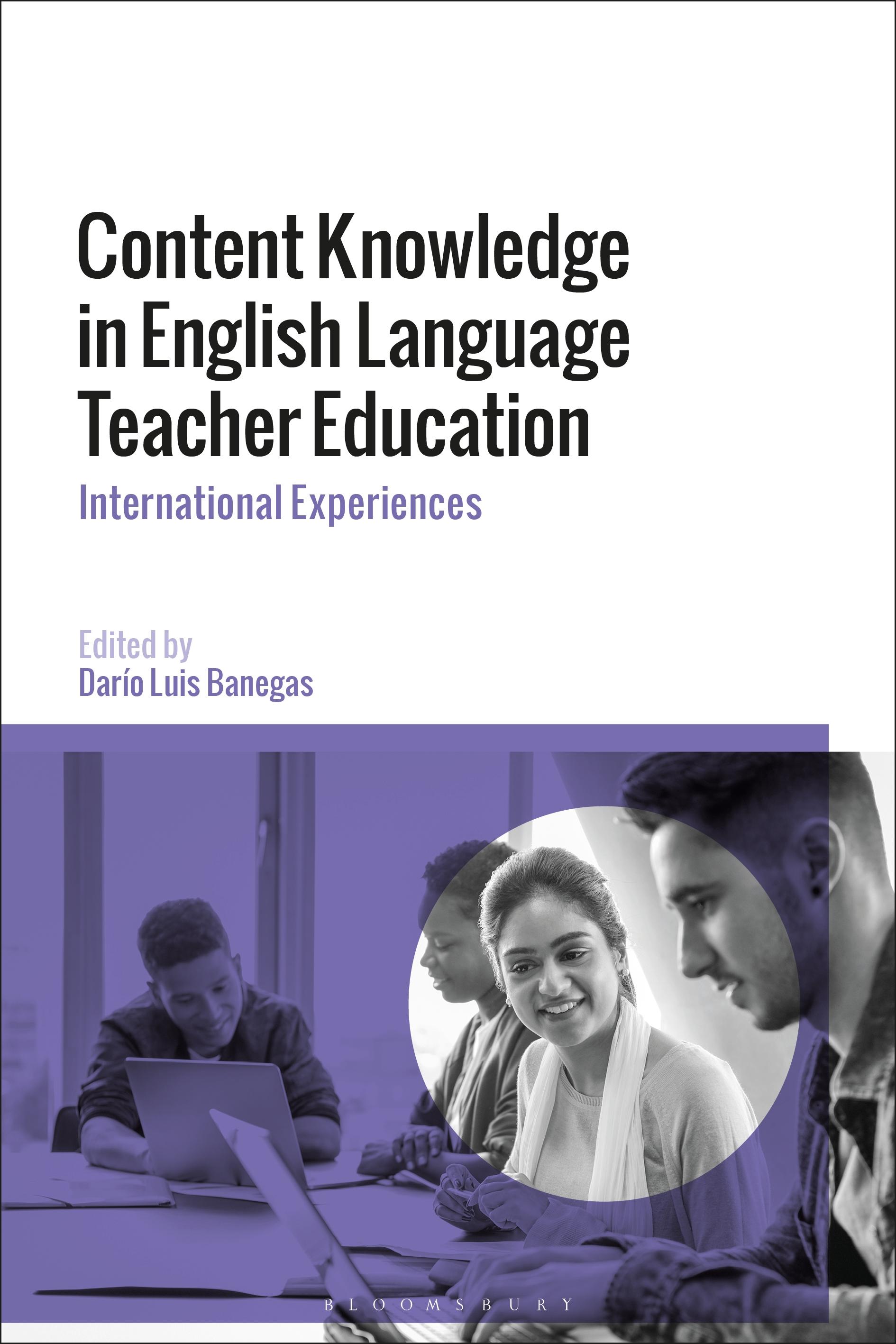
Content Knowledge in English Language Teacher Education provides original professional experiences and research accounts of teaching language in the specific context of English language teacher education programmes in diverse international settings, with contributions from Argentina, Australia, Chile, China, Ecuador, Japan, Mexico, the USA and Turkey.
The volume focuses on how teacher educators plan and deliver modules which help future teachers understand English as a system and develop English language proficiency. The contributors describe and analyse their professional practices in designing, delivering and evaluating modules or courses on understanding the English language as a system, i.e. content knowledge, exploring the teaching of elements such as phonetics, phonology, grammar, pragmatics, philology, and discourse analysis. In addition, they draw on their vast professional experience to explore how to successfully develop competence and language skills in English so that teachers can become models and proficient users of the language for their students.
The contributions range from more historical and functionally linguistic focused chapters to more sociocultural explorations of teaching English to future teachers including interculturality, multilingualism, World Englishes, critical thinking skills, academic writing, and literacy through literature.
The accounts shed light on the diverse practices of educators from many different countries, contexts, and cultural and linguistic backgrounds, drawing links between policy and practice, to locate much of English language teacher education and curriculum development outside the so-called 'inner circle' of native English-language speaking contexts, practitioners, and researchers.
The volume focuses on how teacher educators plan and deliver modules which help future teachers understand English as a system and develop English language proficiency. The contributors describe and analyse their professional practices in designing, delivering and evaluating modules or courses on understanding the English language as a system, i.e. content knowledge, exploring the teaching of elements such as phonetics, phonology, grammar, pragmatics, philology, and discourse analysis. In addition, they draw on their vast professional experience to explore how to successfully develop competence and language skills in English so that teachers can become models and proficient users of the language for their students.
The contributions range from more historical and functionally linguistic focused chapters to more sociocultural explorations of teaching English to future teachers including interculturality, multilingualism, World Englishes, critical thinking skills, academic writing, and literacy through literature.
The accounts shed light on the diverse practices of educators from many different countries, contexts, and cultural and linguistic backgrounds, drawing links between policy and practice, to locate much of English language teacher education and curriculum development outside the so-called 'inner circle' of native English-language speaking contexts, practitioners, and researchers.
Płać wygodnie kartą, Klarną, Apple Pay lub Google Pay. Nie jesteś zadowolony? Zawsze masz 14-dniową gwarancję zwrotu pieniędzy. Więcej przeczytasz w naszych warunkach. Masz pytania? Napisz do nas na hello@memmo.org.
Memmo ułatwia naukę – gdziekolwiek jesteś na świecie. U nas znajdziesz podręczniki i sprytne narzędzia do nauki w jednym miejscu: streszczenia, quizy, podcasty i fiszki. A do tego Ted, Twój kumpel do nauki, który odpowie na wszystko, co Cię nurtuje. Ponad 50 000 studentów już tu się uczy – stworzone, byś uczył się szybciej i mniej stresował.