
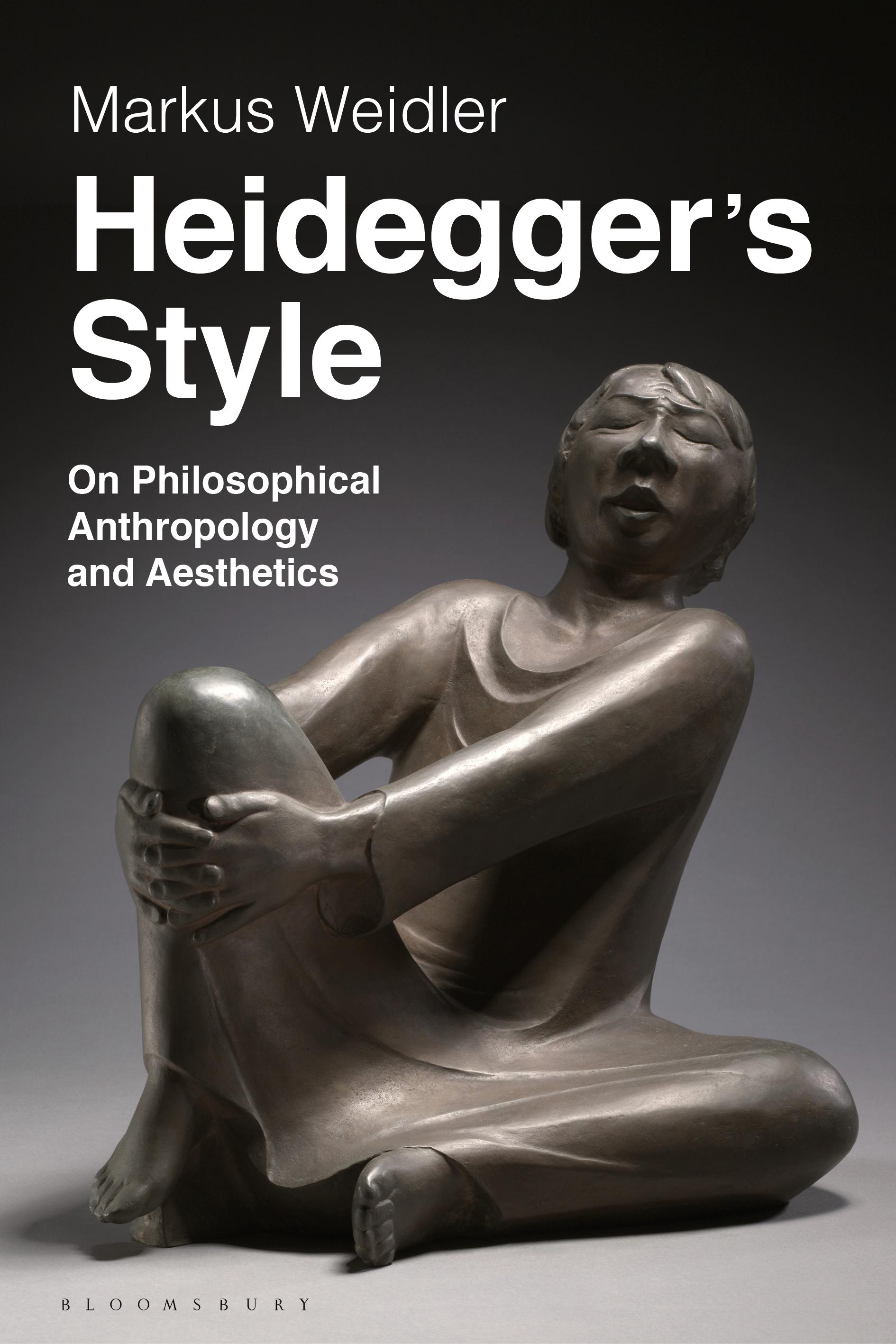
Addressing Heidegger's continuing centrality to continental thought, Markus Weidler argues that Heidegger's prickly charm is best explained in terms of his great ingenuity, crafting a novel genre of writing which promises to harness the revelatory power of artworks for the purpose of philosophical inquiry. In doing so, Heidegger challenges the reader with a provocative form of artisan thinking, which for Weidler is central to understanding the significance of Heidegger's work overall.
In Vorträge und Aufsätze (Public Lectures and Essays) Heidegger declares: 'once it has become anthropology, philosophy perishes from metaphysics.' Remarks critical of 'philosophical anthropology' are scattered throughout his writings, but so far commentators have not connected these tantalizing statements in any systematic way. This book deals with his hostility by addressing what we are to make of Heidegger's frequent but elusive dismissals of philosophical anthropology as a field of study.
This examination of Heidegger's complex relation to philosophical anthropology traces how pioneering thinkers like Schelling and Schiller paved the way not only for Heidegger but also for some of his potential competitors, most notably Max Scheler and Georg Simmel. Weidler argues that confronting the puzzle over Heidegger's peculiar relation to philosophical anthropology is also one of the keys to explaining his popularity as a philosopher, which has endured despite revelations of his various personal and political failings.
In Vorträge und Aufsätze (Public Lectures and Essays) Heidegger declares: 'once it has become anthropology, philosophy perishes from metaphysics.' Remarks critical of 'philosophical anthropology' are scattered throughout his writings, but so far commentators have not connected these tantalizing statements in any systematic way. This book deals with his hostility by addressing what we are to make of Heidegger's frequent but elusive dismissals of philosophical anthropology as a field of study.
This examination of Heidegger's complex relation to philosophical anthropology traces how pioneering thinkers like Schelling and Schiller paved the way not only for Heidegger but also for some of his potential competitors, most notably Max Scheler and Georg Simmel. Weidler argues that confronting the puzzle over Heidegger's peculiar relation to philosophical anthropology is also one of the keys to explaining his popularity as a philosopher, which has endured despite revelations of his various personal and political failings.
Płać wygodnie kartą, Klarną, Apple Pay lub Google Pay. Nie jesteś zadowolony? Zawsze masz 14-dniową gwarancję zwrotu pieniędzy. Więcej przeczytasz w naszych warunkach. Masz pytania? Napisz do nas na hello@memmo.org.
Memmo ułatwia naukę – gdziekolwiek jesteś na świecie. U nas znajdziesz podręczniki i sprytne narzędzia do nauki w jednym miejscu: streszczenia, quizy, podcasty i fiszki. A do tego Ted, Twój kumpel do nauki, który odpowie na wszystko, co Cię nurtuje. Ponad 50 000 studentów już tu się uczy – stworzone, byś uczył się szybciej i mniej stresował.