
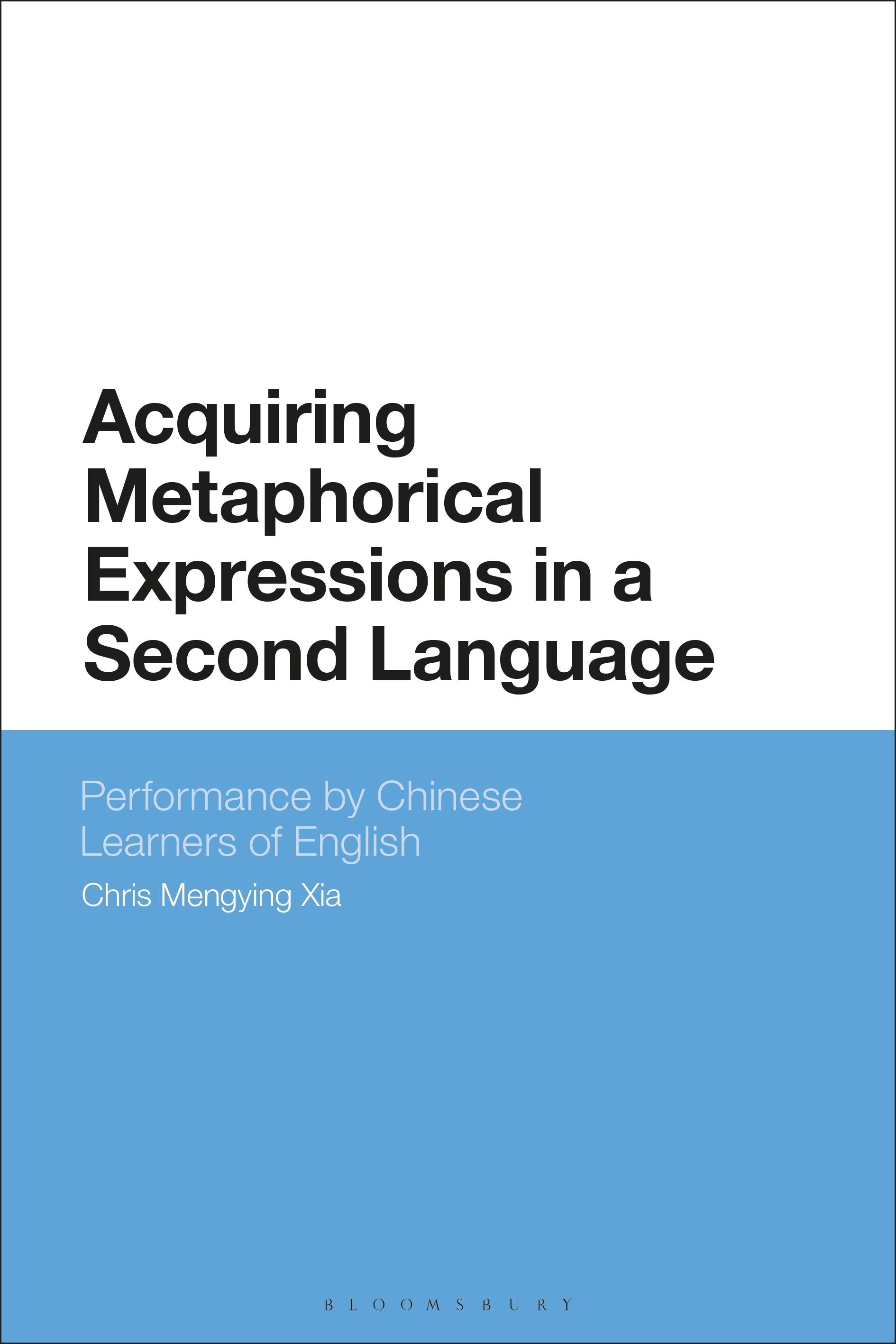
Conventional metaphorical expressions are widely used by native speakers in everyday language and have received extensive attention in theoretical semantics and cognitive linguistics. However, how a second language learner can acquire those expressions is left largely unknown. Researchers and language learners face the question: if one has acquired the literal meaning of a word, can they automatically derive the metaphorical meaning?
This book provides the answer by placing the question of acquisition of metaphorical expressions in the framework of bilingual lexicon. Assessing whether metaphorical expressions are taken for granted by second language learners, it explores how the metaphorical meaning(s) of a word should be connected in a learner's mental lexicon, and how the cross-linguistic availability of a metaphorical expression could affect the outcome of acquisition of that expression. The book also provides a detailed comparison between metaphorical expressions and other figurative language from both the theoretical and experimental perspectives.
This book provides the answer by placing the question of acquisition of metaphorical expressions in the framework of bilingual lexicon. Assessing whether metaphorical expressions are taken for granted by second language learners, it explores how the metaphorical meaning(s) of a word should be connected in a learner's mental lexicon, and how the cross-linguistic availability of a metaphorical expression could affect the outcome of acquisition of that expression. The book also provides a detailed comparison between metaphorical expressions and other figurative language from both the theoretical and experimental perspectives.
Płać wygodnie kartą, Klarną, Apple Pay lub Google Pay. Nie jesteś zadowolony? Zawsze masz 14-dniową gwarancję zwrotu pieniędzy. Więcej przeczytasz w naszych warunkach. Masz pytania? Napisz do nas na hello@memmo.org.
Memmo ułatwia naukę – gdziekolwiek jesteś na świecie. U nas znajdziesz podręczniki i sprytne narzędzia do nauki w jednym miejscu: streszczenia, quizy, podcasty i fiszki. A do tego Ted, Twój kumpel do nauki, który odpowie na wszystko, co Cię nurtuje. Ponad 50 000 studentów już tu się uczy – stworzone, byś uczył się szybciej i mniej stresował.