
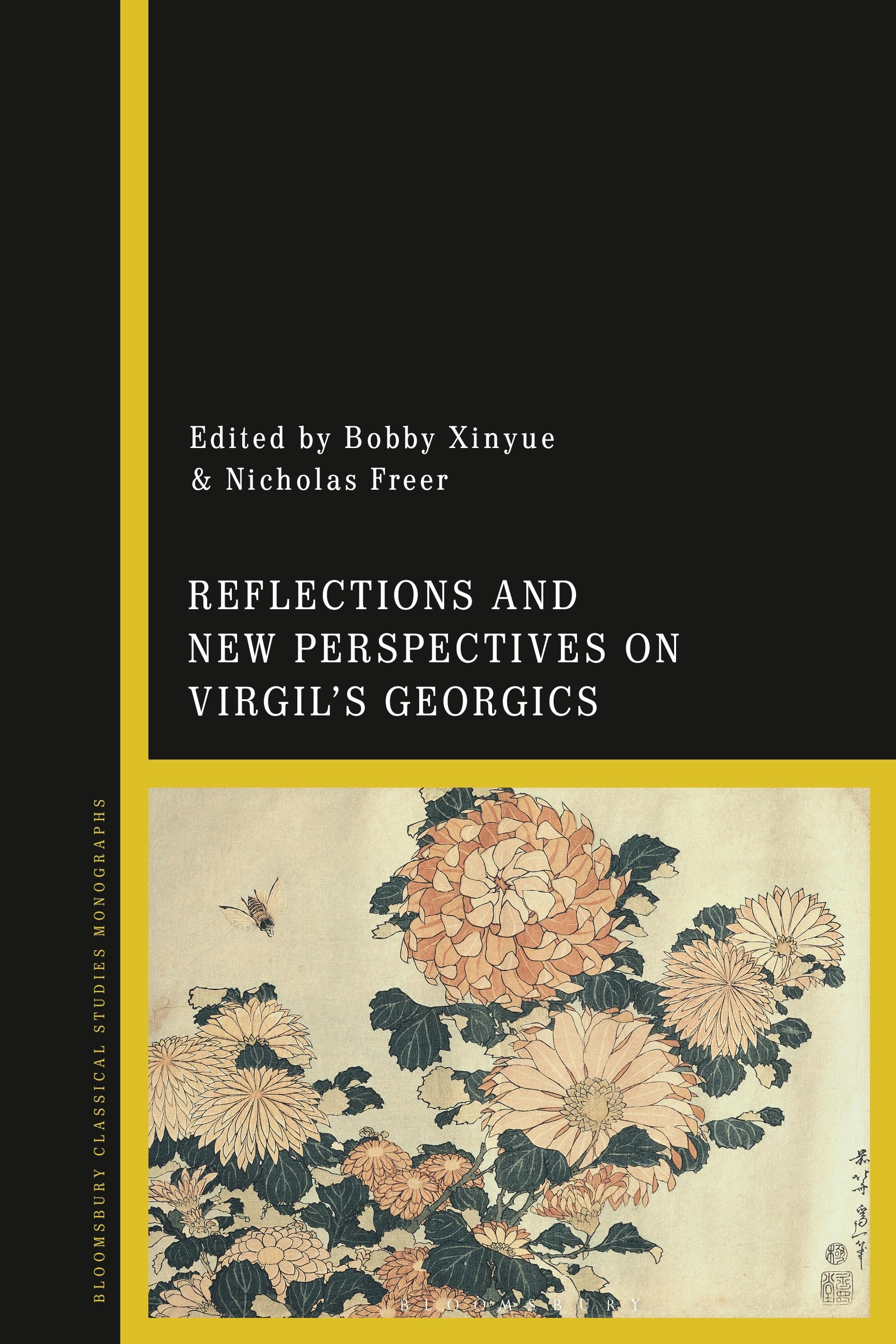
Virgil's Georgics, the most neglected of the poet's three major works, is brought to life and infused with fresh meanings in this dynamic collection of new readings. The Georgics is shown to be a rich field of inherited and varied literary forms, actively inviting a wide range of interpretations as well as deep reflection on its place within the tradition of didactic poetry.
The essays contained in this volume – contributed by scholars from Australia, Europe and North America – offer new approaches and interpretive methods that greatly enhance our understanding of Virgil's poem. In the process, they unearth an array of literary and philosophical sources which exerted a rich influence on the Georgics but whose impact has hitherto been underestimated in scholarship. A second goal of the volume is to examine how the Georgics – with its profound meditations on humankind, nature, and the socio-political world of its creation – has been (re)interpreted and appropriated by readers and critics from antiquity to the modern era. The volume opens up a number of exciting new research avenues for the study of the reception of the Georgics by highlighting the myriad ways in which the poem has been understood by ancient readers, early modern poets, explorers of the 'New World', and female translators of the twentieth and twenty-first centuries.
The essays contained in this volume – contributed by scholars from Australia, Europe and North America – offer new approaches and interpretive methods that greatly enhance our understanding of Virgil's poem. In the process, they unearth an array of literary and philosophical sources which exerted a rich influence on the Georgics but whose impact has hitherto been underestimated in scholarship. A second goal of the volume is to examine how the Georgics – with its profound meditations on humankind, nature, and the socio-political world of its creation – has been (re)interpreted and appropriated by readers and critics from antiquity to the modern era. The volume opens up a number of exciting new research avenues for the study of the reception of the Georgics by highlighting the myriad ways in which the poem has been understood by ancient readers, early modern poets, explorers of the 'New World', and female translators of the twentieth and twenty-first centuries.
Płać wygodnie kartą, Klarną, Apple Pay lub Google Pay. Nie jesteś zadowolony? Zawsze masz 14-dniową gwarancję zwrotu pieniędzy. Więcej przeczytasz w naszych warunkach. Masz pytania? Napisz do nas na hello@memmo.org.
Memmo ułatwia naukę – gdziekolwiek jesteś na świecie. U nas znajdziesz podręczniki i sprytne narzędzia do nauki w jednym miejscu: streszczenia, quizy, podcasty i fiszki. A do tego Ted, Twój kumpel do nauki, który odpowie na wszystko, co Cię nurtuje. Ponad 50 000 studentów już tu się uczy – stworzone, byś uczył się szybciej i mniej stresował.