
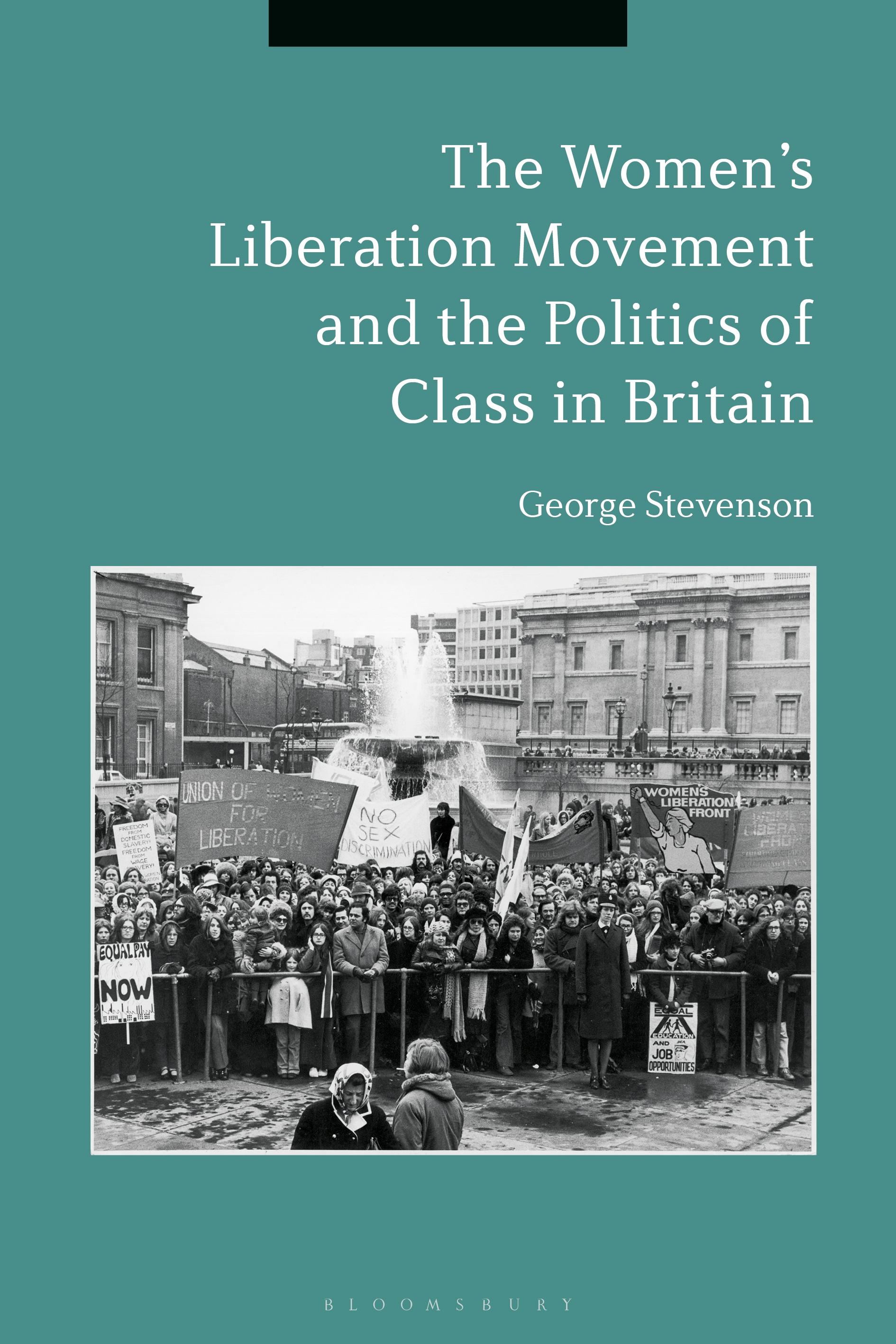
This is the first study of the British Women's Liberation Movement's relationship with class politics. It explores the meaning of class to women's liberationists' identities and activism, both nationally and regionally, using a previously neglected feminist cluster in North East England as a case study.
Stevenson demonstrates that British feminism was shaped fundamentally by its relationship to, synthesis with, and rejection of class politics. Through these processes, feminists recognised how post-war changes in the economy and gender roles were reshaping class and the Women's Liberation Movement attempted to remake class politics in response. However, socio-economic and cultural class differences between the women involved - linked to occupation, education and background - remained intractable obstacles causing tensions within groups, fragmentations into specific class-based groups and the ultimate failure of the movement to coalesce into a coherent coalition with labour politics, despite great levels of solidarity around particular struggles.
Examining regional feminism against the national backdrop, The Women's Liberation Movement and the Politics of Class in Britain provides an engaging exploration of the fruitful but challenging relationship between British feminism and class politics in a capitalist society.
Stevenson demonstrates that British feminism was shaped fundamentally by its relationship to, synthesis with, and rejection of class politics. Through these processes, feminists recognised how post-war changes in the economy and gender roles were reshaping class and the Women's Liberation Movement attempted to remake class politics in response. However, socio-economic and cultural class differences between the women involved - linked to occupation, education and background - remained intractable obstacles causing tensions within groups, fragmentations into specific class-based groups and the ultimate failure of the movement to coalesce into a coherent coalition with labour politics, despite great levels of solidarity around particular struggles.
Examining regional feminism against the national backdrop, The Women's Liberation Movement and the Politics of Class in Britain provides an engaging exploration of the fruitful but challenging relationship between British feminism and class politics in a capitalist society.
Płać wygodnie kartą, Klarną, Apple Pay lub Google Pay. Nie jesteś zadowolony? Zawsze masz 14-dniową gwarancję zwrotu pieniędzy. Więcej przeczytasz w naszych warunkach. Masz pytania? Napisz do nas na hello@memmo.org.
Memmo ułatwia naukę – gdziekolwiek jesteś na świecie. U nas znajdziesz podręczniki i sprytne narzędzia do nauki w jednym miejscu: streszczenia, quizy, podcasty i fiszki. A do tego Ted, Twój kumpel do nauki, który odpowie na wszystko, co Cię nurtuje. Ponad 50 000 studentów już tu się uczy – stworzone, byś uczył się szybciej i mniej stresował.