
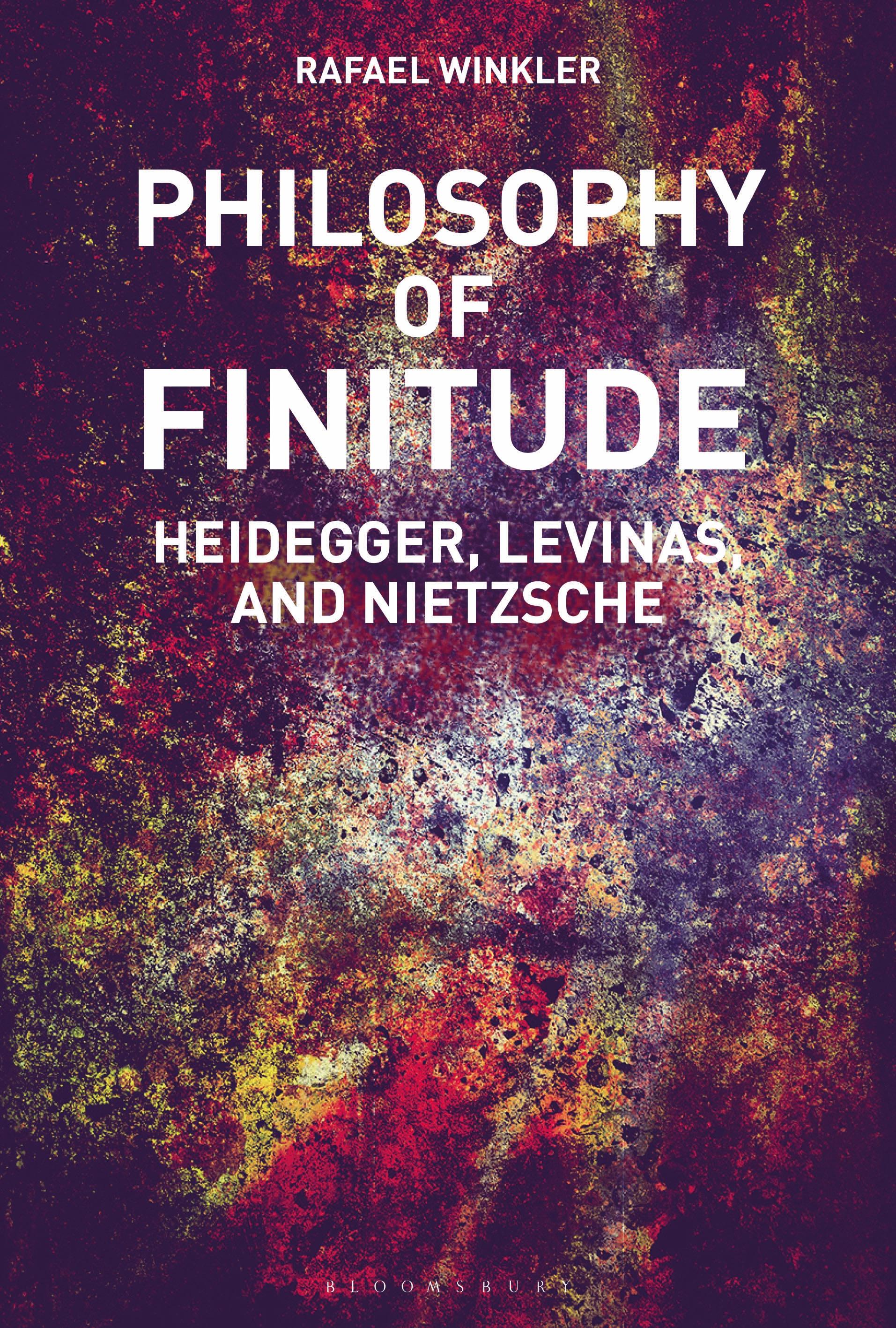
Examining the legacies of Heidegger, along with Derrida, Levinas and Nietzsche, Rafael Winkler argues that it is not the search for truth or even contradictions that stimulates philosophical thought. Instead, it is our exposure to the unthinkable or the impossible – to thought's own limits.
An experience of the unthinkable is possible in our encounter with the uniqueness of death, the singularity of being, and of the self and the other. This 'thinking of finitude' also has political implications, as it provides us with a way to talk about, and evaluate, absolute strangeness and, by implication, the absolute stranger or foreigner.
Illuminating Heidegger's writings on the question of ontology, ethics and history, Winkler proves that this encounter with thought's limits is one of the mainstays of the philosophies of difference of Heidegger, Levinas, and Nietzsche.
An experience of the unthinkable is possible in our encounter with the uniqueness of death, the singularity of being, and of the self and the other. This 'thinking of finitude' also has political implications, as it provides us with a way to talk about, and evaluate, absolute strangeness and, by implication, the absolute stranger or foreigner.
Illuminating Heidegger's writings on the question of ontology, ethics and history, Winkler proves that this encounter with thought's limits is one of the mainstays of the philosophies of difference of Heidegger, Levinas, and Nietzsche.
Płać wygodnie kartą, Klarną, Apple Pay lub Google Pay. Nie jesteś zadowolony? Zawsze masz 14-dniową gwarancję zwrotu pieniędzy. Więcej przeczytasz w naszych warunkach. Masz pytania? Napisz do nas na hello@memmo.org.
Memmo ułatwia naukę – gdziekolwiek jesteś na świecie. U nas znajdziesz podręczniki i sprytne narzędzia do nauki w jednym miejscu: streszczenia, quizy, podcasty i fiszki. A do tego Ted, Twój kumpel do nauki, który odpowie na wszystko, co Cię nurtuje. Ponad 50 000 studentów już tu się uczy – stworzone, byś uczył się szybciej i mniej stresował.