
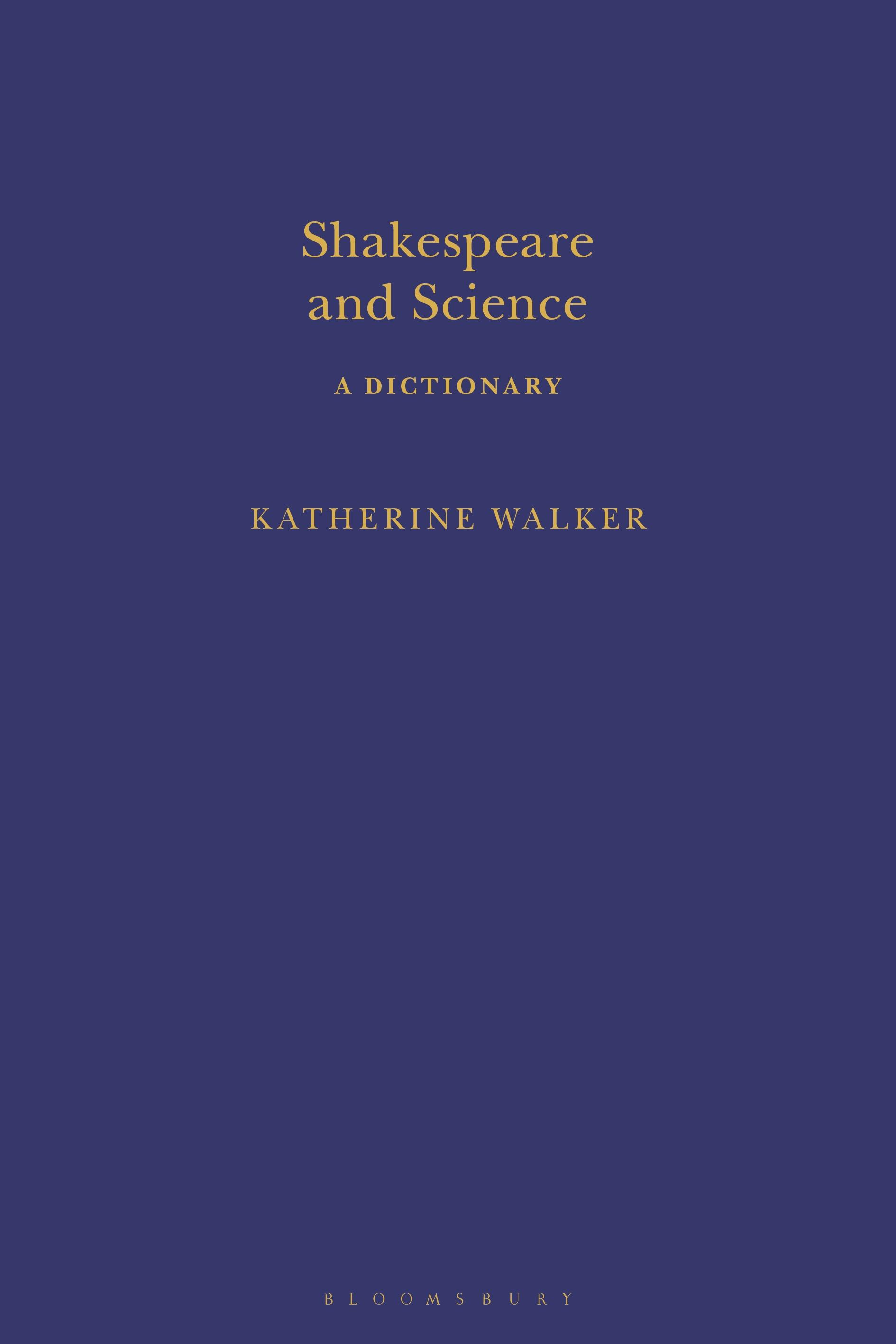
With the recent turn to science studies and interdisciplinary research in Shakespearean scholarship, Shakespeare and Science: A Dictionary, provides a pedagogical resource for students and scholars. In charting Shakespeare's engagement with natural philosophical discourse, this edition shapes the future of Shakespearean scholarship and pedagogy significantly, appealing to students entering the field and current scholars in interdisciplinary research on the topic alongside the non-professional reader seeking to understand Shakespeare's language and early modern scientific practices.
Shakespeare's works respond to early modern culture's rapidly burgeoning interest in how new astronomical theories, understandings of motion and change, and the cataloging of objects, vegetation, and animals in the natural world could provide new knowledge. To cite a famous example, Hamlet's letter to Ophelia plays with the differences between the Ptolemaic and Copernican notions of the earth's movement: “Doubt that the sun doth move” may either be, in the Ptolemaic view, an earnest plea or, in the Copernican system, a purposeful equivocation. The Dictionary contextualizes such moments and scientific terms that Shakespeare employs, creatively and critically, throughout his poetry and drama. The focus is on Shakespeare's multiform uses of language, rendering accessible to students of Shakespeare such terms as “firmament,” “planetary influence,” and “retrograde.”
Shakespeare's works respond to early modern culture's rapidly burgeoning interest in how new astronomical theories, understandings of motion and change, and the cataloging of objects, vegetation, and animals in the natural world could provide new knowledge. To cite a famous example, Hamlet's letter to Ophelia plays with the differences between the Ptolemaic and Copernican notions of the earth's movement: “Doubt that the sun doth move” may either be, in the Ptolemaic view, an earnest plea or, in the Copernican system, a purposeful equivocation. The Dictionary contextualizes such moments and scientific terms that Shakespeare employs, creatively and critically, throughout his poetry and drama. The focus is on Shakespeare's multiform uses of language, rendering accessible to students of Shakespeare such terms as “firmament,” “planetary influence,” and “retrograde.”
Płać wygodnie kartą, Klarną, Apple Pay lub Google Pay. Nie jesteś zadowolony? Zawsze masz 14-dniową gwarancję zwrotu pieniędzy. Więcej przeczytasz w naszych warunkach. Masz pytania? Napisz do nas na hello@memmo.org.
Memmo ułatwia naukę – gdziekolwiek jesteś na świecie. U nas znajdziesz podręczniki i sprytne narzędzia do nauki w jednym miejscu: streszczenia, quizy, podcasty i fiszki. A do tego Ted, Twój kumpel do nauki, który odpowie na wszystko, co Cię nurtuje. Ponad 50 000 studentów już tu się uczy – stworzone, byś uczył się szybciej i mniej stresował.