
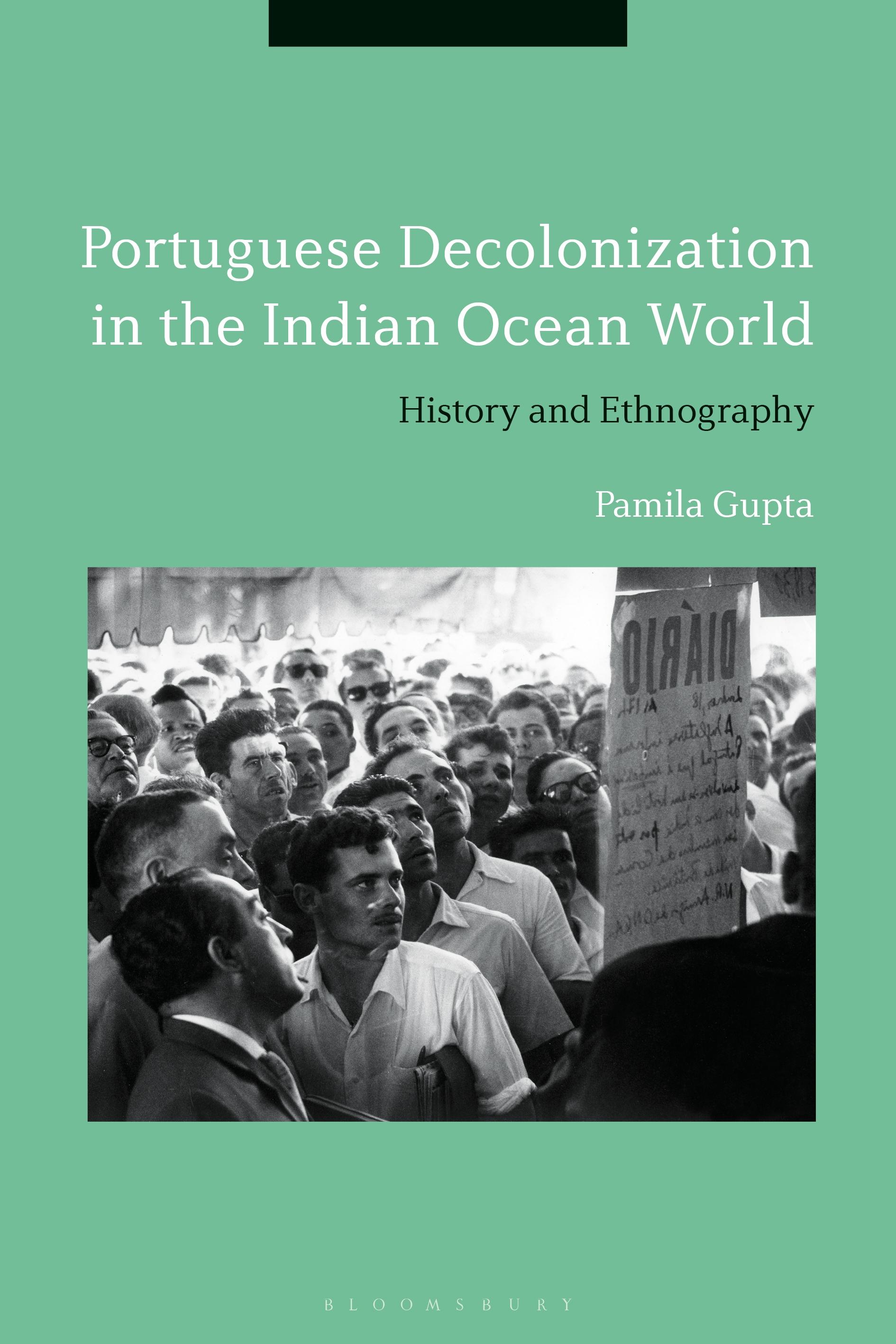
Pamila Gupta takes a unique approach to examining decolonization processes across Lusophone India and Southern Africa, focusing on Goa, Mozambique, Angola and South Africa, weaving together case studies using five interconnected themes.
Gupta considers decolonization through the twined lenses of history and ethnography, accessed through written, oral, visual and eyewitness accounts of how people experienced the transfer of state power. She looks at the materiality of decolonization as a movement of peoples across vast oceanic spaces, demonstrating how it was a process of dispossession for both the Portuguese formerly in power and ordinary colonial citizens and subjects. She then discusses the production of race and class anxieties during decolonization, which took on a variety of forms but were often articulated through material objects. The book aims to move beyond linear histories of colonial independence by connecting its various regions using the theme of decolonization, offering a productive and new approach to writing post-national histories and ethnographies. Finally, Gupta demonstrates the value of using different source materials to access narratives of decolonization, analyzing the work of Mozambican photographer Ricardo Rangel, and including lyrical prose and ethnographical observations.
Portuguese Decolonization in the Indian Ocean World provides a nuanced understanding of Lusophone decolonization, revealing the perspectives of people who experienced it. This book will be highly valuable for historians of the Indian Ocean world and decolonization, but also those interested in ethnography, diaspora studies and material culture.
Gupta considers decolonization through the twined lenses of history and ethnography, accessed through written, oral, visual and eyewitness accounts of how people experienced the transfer of state power. She looks at the materiality of decolonization as a movement of peoples across vast oceanic spaces, demonstrating how it was a process of dispossession for both the Portuguese formerly in power and ordinary colonial citizens and subjects. She then discusses the production of race and class anxieties during decolonization, which took on a variety of forms but were often articulated through material objects. The book aims to move beyond linear histories of colonial independence by connecting its various regions using the theme of decolonization, offering a productive and new approach to writing post-national histories and ethnographies. Finally, Gupta demonstrates the value of using different source materials to access narratives of decolonization, analyzing the work of Mozambican photographer Ricardo Rangel, and including lyrical prose and ethnographical observations.
Portuguese Decolonization in the Indian Ocean World provides a nuanced understanding of Lusophone decolonization, revealing the perspectives of people who experienced it. This book will be highly valuable for historians of the Indian Ocean world and decolonization, but also those interested in ethnography, diaspora studies and material culture.
Płać wygodnie kartą, Klarną, Apple Pay lub Google Pay. Nie jesteś zadowolony? Zawsze masz 14-dniową gwarancję zwrotu pieniędzy. Więcej przeczytasz w naszych warunkach. Masz pytania? Napisz do nas na hello@memmo.org.
Memmo ułatwia naukę – gdziekolwiek jesteś na świecie. U nas znajdziesz podręczniki i sprytne narzędzia do nauki w jednym miejscu: streszczenia, quizy, podcasty i fiszki. A do tego Ted, Twój kumpel do nauki, który odpowie na wszystko, co Cię nurtuje. Ponad 50 000 studentów już tu się uczy – stworzone, byś uczył się szybciej i mniej stresował.