
Why do the Capulets bite their thumbs at the Montagues? Why do the Venetians spit upon Shylock's Jewish gaberdine? What is it about Volumnia's act of kneeling that convinces Coriolanus not to assault the city of Rome?
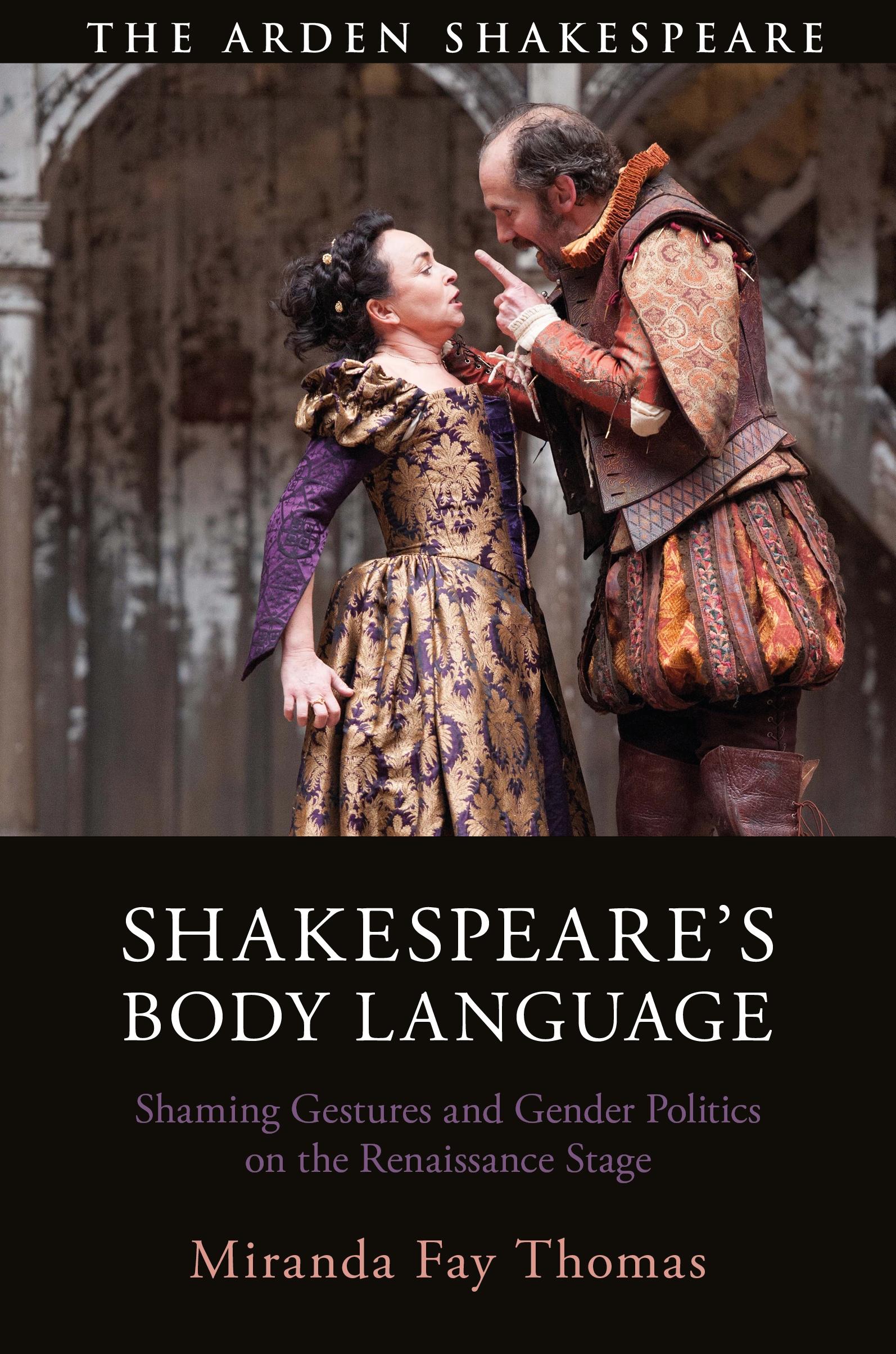
Shakespeare's Body Language is a ground-breaking new study of Shakespearean drama, revealing the previously unseen history of social tensions found within the performance of gestures – and how such gestures are used to shame those within the body politic of early modern England. The first full study of shaming gestures in Shakespearean drama, this book establishes how shame is often rooted in the gendered expectations of the Renaissance era. Exploring how the performance of gestures such as figging, the cuckold's horns, and even the in-action of stillness created shaming spectacles on the early modern stage and its wider society, Shakespeare's Body Language argues that gestures are embodied social metaphors which epitomise the personal as political. It reveals the tensions of everyday life as key motivators behind the actions of Shakespeare's characters, and considers how honour and its opposite, shame, are constructed in terms of gender norms.
Featuring in-depth analyses of plays across Shakespeare's career, this book explores how the playwright's understanding of shame and humiliation is rooted in performance anxiety and gender politics, explaining how theatrical gestures can create dramatic tension in a way that words alone cannot. It offers both rich insights into the early modern context of Shakespeare's drama and confirms the startling relevance of his work to modern audiences.
Shakespeare's Body Language is a ground-breaking new study of Shakespearean drama, revealing the previously unseen history of social tensions found within the performance of gestures – and how such gestures are used to shame those within the body politic of early modern England. The first full study of shaming gestures in Shakespearean drama, this book establishes how shame is often rooted in the gendered expectations of the Renaissance era. Exploring how the performance of gestures such as figging, the cuckold's horns, and even the in-action of stillness created shaming spectacles on the early modern stage and its wider society, Shakespeare's Body Language argues that gestures are embodied social metaphors which epitomise the personal as political. It reveals the tensions of everyday life as key motivators behind the actions of Shakespeare's characters, and considers how honour and its opposite, shame, are constructed in terms of gender norms.
Featuring in-depth analyses of plays across Shakespeare's career, this book explores how the playwright's understanding of shame and humiliation is rooted in performance anxiety and gender politics, explaining how theatrical gestures can create dramatic tension in a way that words alone cannot. It offers both rich insights into the early modern context of Shakespeare's drama and confirms the startling relevance of his work to modern audiences.
Płać wygodnie kartą, Klarną, Apple Pay lub Google Pay. Nie jesteś zadowolony? Zawsze masz 14-dniową gwarancję zwrotu pieniędzy. Więcej przeczytasz w naszych warunkach. Masz pytania? Napisz do nas na hello@memmo.org.
Memmo ułatwia naukę – gdziekolwiek jesteś na świecie. U nas znajdziesz podręczniki i sprytne narzędzia do nauki w jednym miejscu: streszczenia, quizy, podcasty i fiszki. A do tego Ted, Twój kumpel do nauki, który odpowie na wszystko, co Cię nurtuje. Ponad 50 000 studentów już tu się uczy – stworzone, byś uczył się szybciej i mniej stresował.