
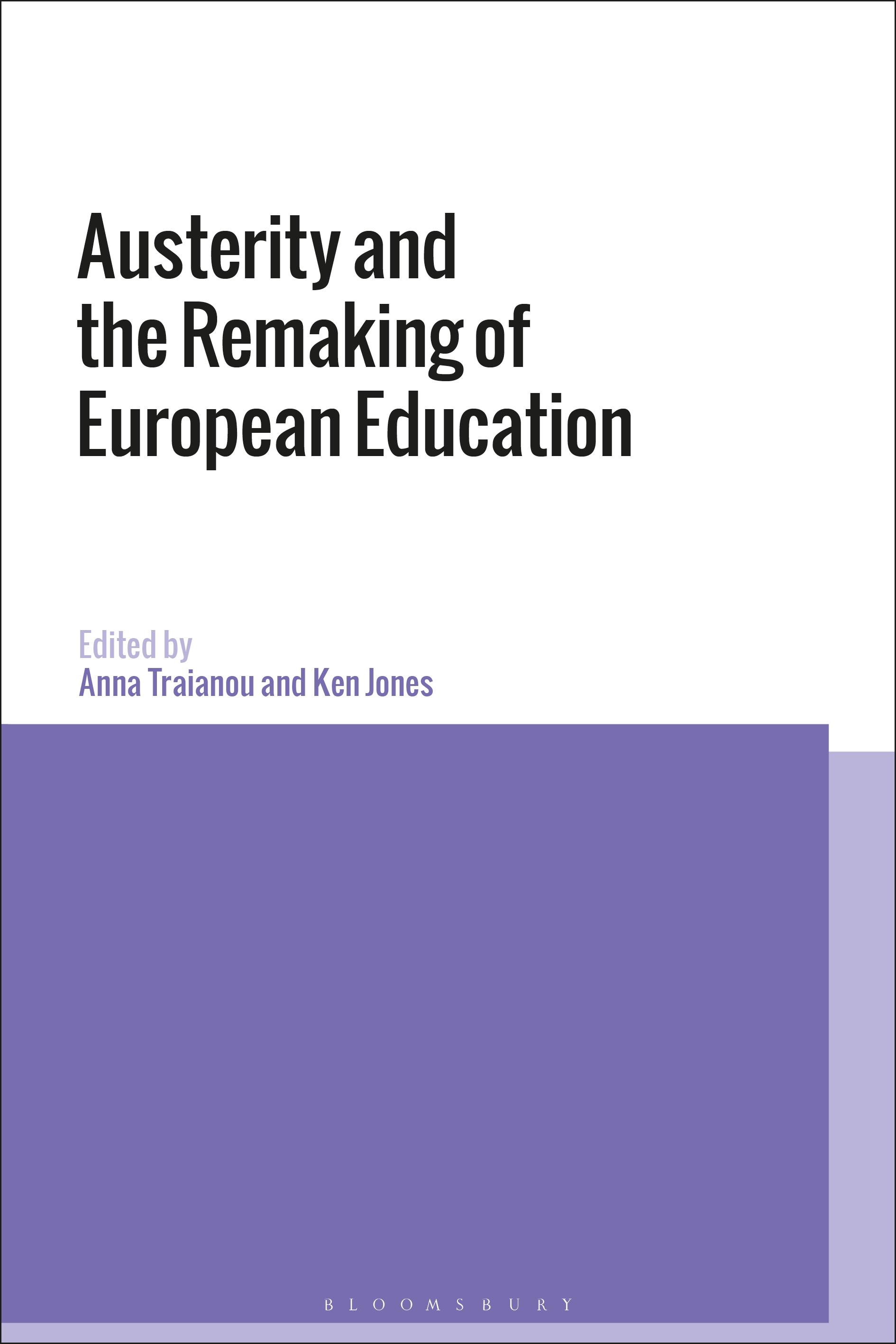
Austerity and the Remaking of European Education offers historically and empirically grounded accounts of national educational formations in Europe, at a specific time in their reshaping through encounters with global policy frameworks, and social and economic developments.
The authors explore these issues in the context of different pressures that impact on European education systems - from the constraints established by the European Central Bank and the European Commission across Southern Europe, to the 2008 financial crisis and the increased migration.
The book provides a rigorous theoretical approach to European and national policies, combined with detailed analyses of national educational contexts in England, France, Greece, Hungary and Sweden. These in-depth studies identify major issues of national education policymaking, and explore the complexities of global/national relationships. The economic crisis, the rise of the Left in Greece and of the populist Right in many countries in Europe, questions of cultural and religious diversity, tensions between marketization and inclusion are all brought into focus, offering findings that are of great interest to researchers of education policy, politics and sociology of education alike. In the final section of the book, the authors explore policy alternatives, as embodied in the activities of both governments and non-state actors, such as trade unions and social movements.
The authors explore these issues in the context of different pressures that impact on European education systems - from the constraints established by the European Central Bank and the European Commission across Southern Europe, to the 2008 financial crisis and the increased migration.
The book provides a rigorous theoretical approach to European and national policies, combined with detailed analyses of national educational contexts in England, France, Greece, Hungary and Sweden. These in-depth studies identify major issues of national education policymaking, and explore the complexities of global/national relationships. The economic crisis, the rise of the Left in Greece and of the populist Right in many countries in Europe, questions of cultural and religious diversity, tensions between marketization and inclusion are all brought into focus, offering findings that are of great interest to researchers of education policy, politics and sociology of education alike. In the final section of the book, the authors explore policy alternatives, as embodied in the activities of both governments and non-state actors, such as trade unions and social movements.
Płać wygodnie kartą, Klarną, Apple Pay lub Google Pay. Nie jesteś zadowolony? Zawsze masz 14-dniową gwarancję zwrotu pieniędzy. Więcej przeczytasz w naszych warunkach. Masz pytania? Napisz do nas na hello@memmo.org.
Memmo ułatwia naukę – gdziekolwiek jesteś na świecie. U nas znajdziesz podręczniki i sprytne narzędzia do nauki w jednym miejscu: streszczenia, quizy, podcasty i fiszki. A do tego Ted, Twój kumpel do nauki, który odpowie na wszystko, co Cię nurtuje. Ponad 50 000 studentów już tu się uczy – stworzone, byś uczył się szybciej i mniej stresował.