
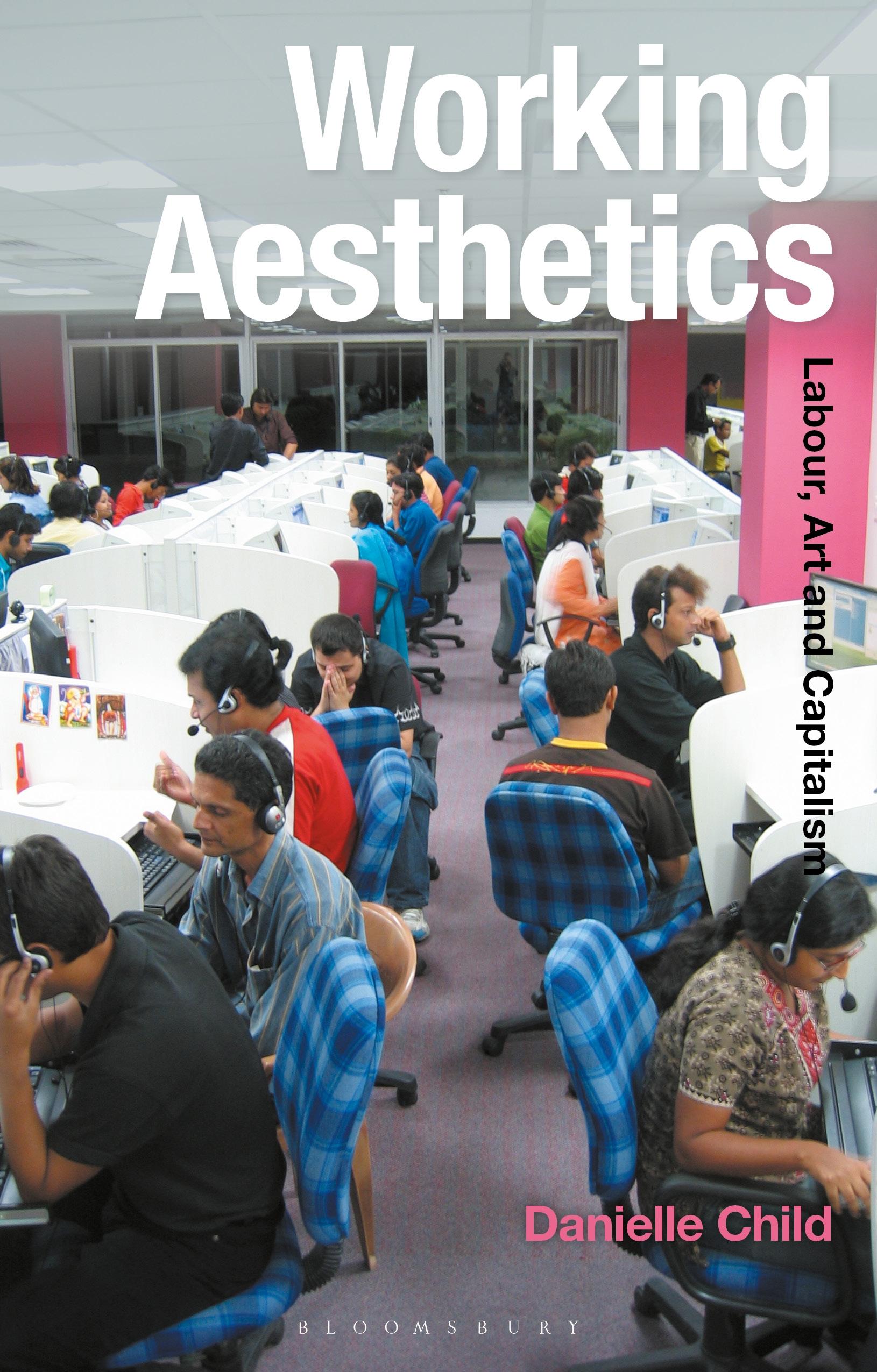
Working Aesthetics is about the relationship between art and work under contemporary capitalism. Whilst labour used to be regarded as an unattractive subject for art, the proximity of work to everyday life has subsequently narrowed the gap between work and art. The artist is no longer considered apart from the economic, but is heralded as an example of how to work in neoliberal management textbooks. As work and life become obscured within the contemporary period, this book asks how artistic practice is affected, including those who labour for artists. Through a series of case studies, Working Aesthetics critically examines the moments in which labour and art intersect under capitalism. When did labour disappear from art production, or accounts of art history? Can we consider the dematerialization of art in the 1960s in relation to the deskilling of work? And how has neoliberal management theory adopting the artist as model worker affected artistic practices in the 21st century?
With the narrowing of work and art visible in galleries and art discourse today, Working Aesthetics takes a step back to ask why labour has become a valid subject for contemporary art, and explores what this means for aesthetic culture today.
With the narrowing of work and art visible in galleries and art discourse today, Working Aesthetics takes a step back to ask why labour has become a valid subject for contemporary art, and explores what this means for aesthetic culture today.
Płać wygodnie kartą, Klarną, Apple Pay lub Google Pay. Nie jesteś zadowolony? Zawsze masz 14-dniową gwarancję zwrotu pieniędzy. Więcej przeczytasz w naszych warunkach. Masz pytania? Napisz do nas na hello@memmo.org.
Memmo ułatwia naukę – gdziekolwiek jesteś na świecie. U nas znajdziesz podręczniki i sprytne narzędzia do nauki w jednym miejscu: streszczenia, quizy, podcasty i fiszki. A do tego Ted, Twój kumpel do nauki, który odpowie na wszystko, co Cię nurtuje. Ponad 50 000 studentów już tu się uczy – stworzone, byś uczył się szybciej i mniej stresował.