
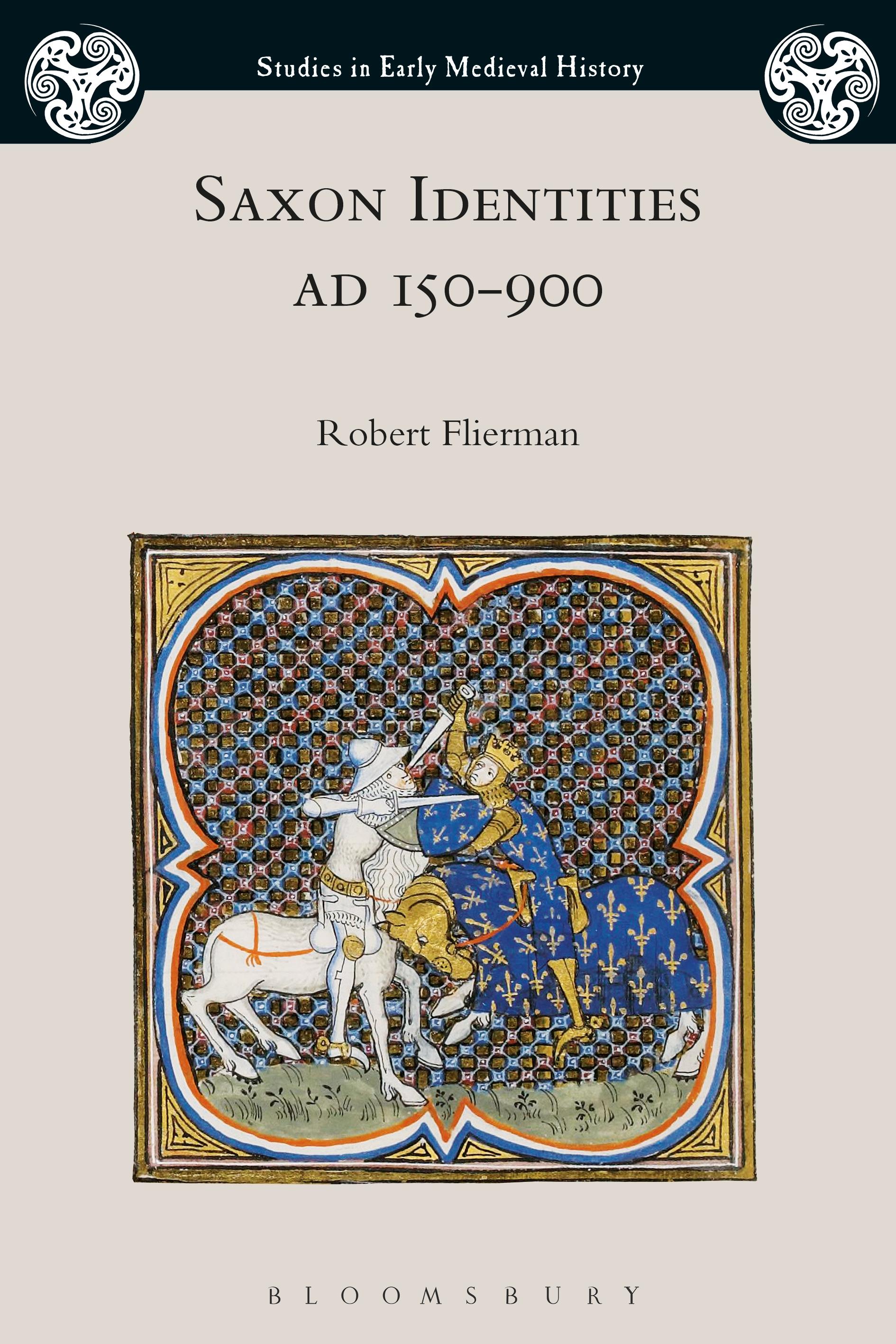
This study is the first up-to-date comprehensive analysis of Continental Saxon identity in antiquity and the early middle ages. Building on recent scholarship on barbarian ethnicity, this study emphasises not just the constructed and open-ended nature of Saxon identity, but also the crucial role played by texts as instruments and resources of identity-formation. This book traces this process of identity-formation over the course of eight centuries, from its earliest beginnings in Roman ethnography to its reinvention in the monasteries and bishoprics of ninth-century Saxony.
Though the Saxons were mentioned as early as AD 150, they left no written evidence of their own before c. 840. Thus, for the first seven centuries, we can only look at the Saxons through the eyes of their Roman enemies, Merovingian neighbours and Carolingian conquerors. Such external perspectives do not yield objective descriptions of a people, but rather reflect an ongoing discourse on Saxon identity, in which outside authors described who they imagined, wanted or feared the Saxons to be: dangerous pirates, noble savages, bestial pagans or faithful subjects. Significantly, these outside views deeply influenced how ninth-century Saxons eventually came to think about themselves, using Roman and Frankish texts to reinvent the Saxons as a noble and Christian people.
Though the Saxons were mentioned as early as AD 150, they left no written evidence of their own before c. 840. Thus, for the first seven centuries, we can only look at the Saxons through the eyes of their Roman enemies, Merovingian neighbours and Carolingian conquerors. Such external perspectives do not yield objective descriptions of a people, but rather reflect an ongoing discourse on Saxon identity, in which outside authors described who they imagined, wanted or feared the Saxons to be: dangerous pirates, noble savages, bestial pagans or faithful subjects. Significantly, these outside views deeply influenced how ninth-century Saxons eventually came to think about themselves, using Roman and Frankish texts to reinvent the Saxons as a noble and Christian people.
Płać wygodnie kartą, Klarną, Apple Pay lub Google Pay. Nie jesteś zadowolony? Zawsze masz 14-dniową gwarancję zwrotu pieniędzy. Więcej przeczytasz w naszych warunkach. Masz pytania? Napisz do nas na hello@memmo.org.
Memmo ułatwia naukę – gdziekolwiek jesteś na świecie. U nas znajdziesz podręczniki i sprytne narzędzia do nauki w jednym miejscu: streszczenia, quizy, podcasty i fiszki. A do tego Ted, Twój kumpel do nauki, który odpowie na wszystko, co Cię nurtuje. Ponad 50 000 studentów już tu się uczy – stworzone, byś uczył się szybciej i mniej stresował.