
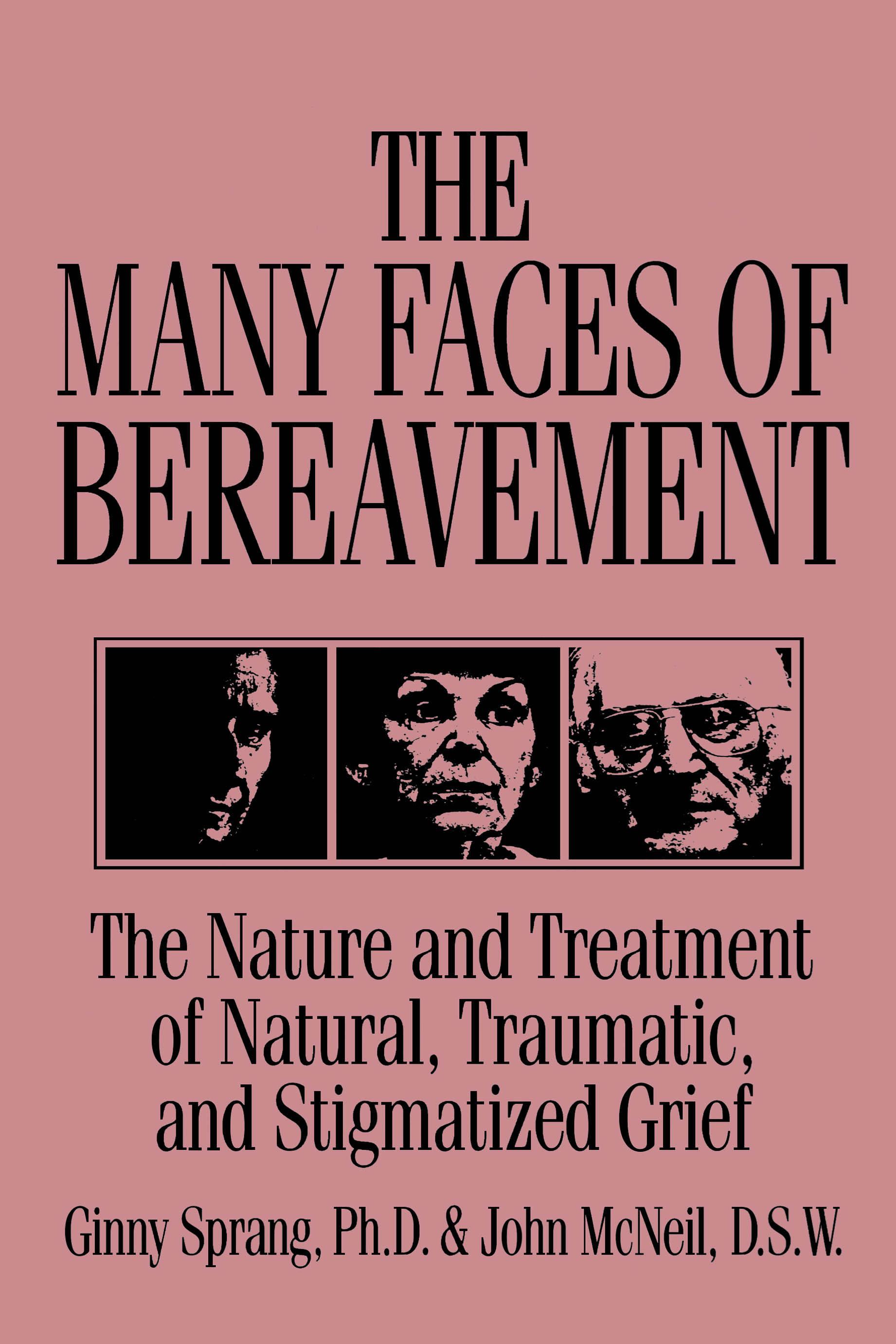
First published in 1995. Death and dying have been a concern of mankind as long as humans have existed. This book will explore the development and specifications of traditional models of grief to underline the importance of what is known about the process of grief, considering variables such as relationship, age, and personal characteristics of the mourner, as well as providing a framework of symptomatology specific to non-traumatizing, non-stigmatizing deaths for the purposes of comparative and theoretical specification. It is proposed that what is known about the grief response following the death of a spouse, a child, or an aged parent has valuable implications for grief model development considering other modes of death such as murder, drunk driving, AIDS, critical incidents, and suicide, though these conceptualizations are insufficient in explaining or predicting outcomes with these other types of grief.
Płać wygodnie kartą, Klarną, Apple Pay lub Google Pay. Nie jesteś zadowolony? Zawsze masz 14-dniową gwarancję zwrotu pieniędzy. Więcej przeczytasz w naszych warunkach. Masz pytania? Napisz do nas na hello@memmo.org.
Memmo ułatwia naukę – gdziekolwiek jesteś na świecie. U nas znajdziesz podręczniki i sprytne narzędzia do nauki w jednym miejscu: streszczenia, quizy, podcasty i fiszki. A do tego Ted, Twój kumpel do nauki, który odpowie na wszystko, co Cię nurtuje. Ponad 50 000 studentów już tu się uczy – stworzone, byś uczył się szybciej i mniej stresował.
Może Ci się spodobać
Kup książkę0