
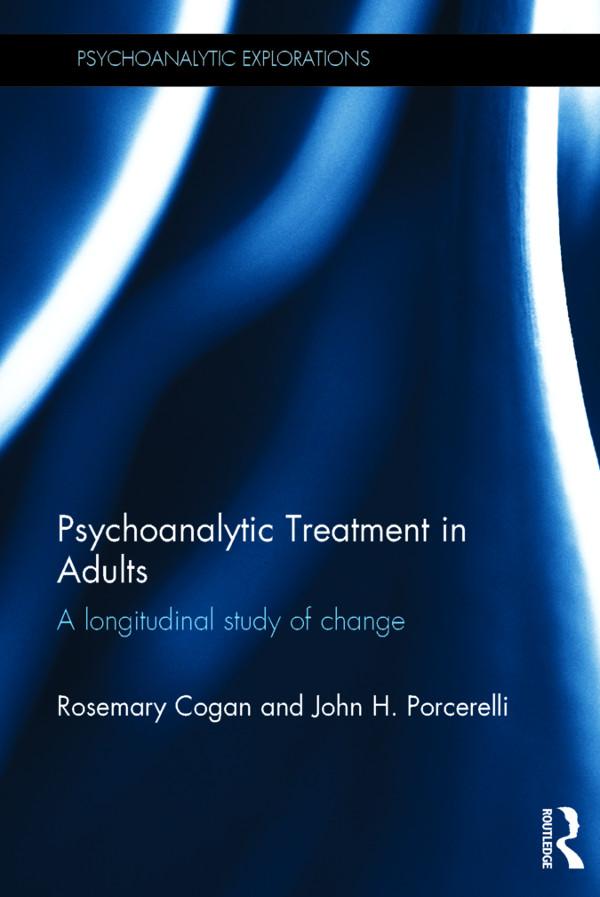
The outcomes of psychoanalysis, as with other psychotherapies, vary considerably. Psychoanalytic Treatment in Adults examines the results of a longitudinal study of change during psychoanalysis, illuminating the characteristics of patients, analysts and analyses which can help to predict outcomes of treatment.
Written by experienced psychologists and psychoanalysts, chapters in the book draw upon sixty case studies to consider how patients with very different analytic outcomes respond at both the beginning and end of their analysis. Psychoanalysts used a clinician report measure, the Shedler-Westen Assessment Procedure, to describe a patient at the beginning of psychoanalysis and every six months until the analysis ended. This allowed the authors to learn about changes over analysis and, in turn, improved treatment planning and practice for the well-being of other patients.
Chapters explore five outcomes: a negative therapeutic reaction; attrition when the patient drops out; attrition due to external events; mutual agreement between patient and analyst without maximum benefits; and mutual agreement between patient and analyst with maximum benefits.
The findings from these chapters will be of interest to researchers and academics in the fields of psychoanalysis, psychotherapy, psychodynamic therapy, psychoanalytic education, psychiatry and psychology. The results should also help clinicians recognize potential problems early in analytic treatments so that they can work more effectively with patients.
Płać wygodnie kartą, Klarną, Apple Pay lub Google Pay. Nie jesteś zadowolony? Zawsze masz 14-dniową gwarancję zwrotu pieniędzy. Więcej przeczytasz w naszych warunkach. Masz pytania? Napisz do nas na hello@memmo.org.
Memmo ułatwia naukę – gdziekolwiek jesteś na świecie. U nas znajdziesz podręczniki i sprytne narzędzia do nauki w jednym miejscu: streszczenia, quizy, podcasty i fiszki. A do tego Ted, Twój kumpel do nauki, który odpowie na wszystko, co Cię nurtuje. Ponad 50 000 studentów już tu się uczy – stworzone, byś uczył się szybciej i mniej stresował.