
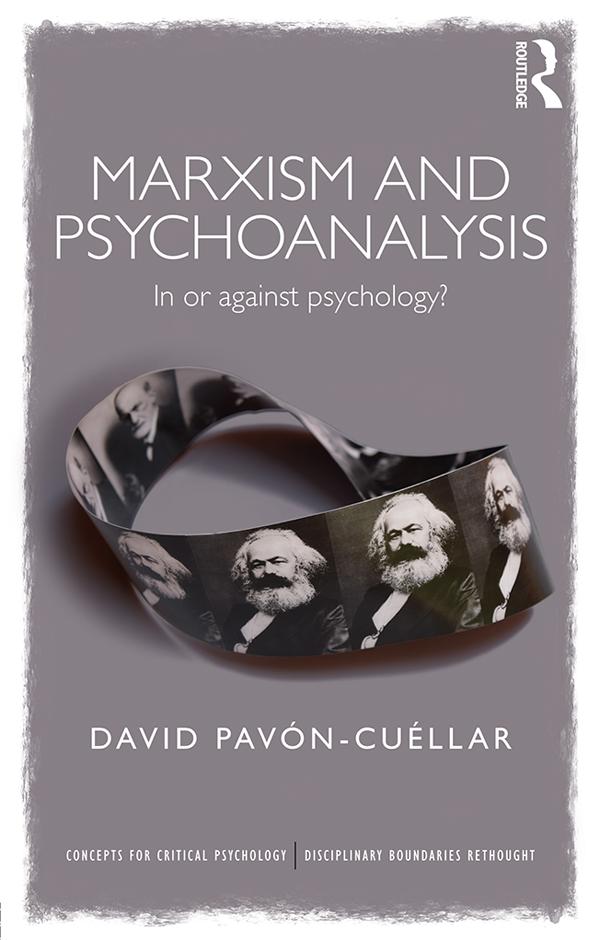
The methods developed by Freud and Marx have enabled a range of scholars to critically reflect upon the ideological underpinnings of modern and now postmodern or hypermodern western societies. In this intriguing book, the discipline of psychology itself is screened through the twin dynamics of Marxism and psychoanalysis. David Pavón-Cuéllar asks to what extent the terms, concerns and goals of psychology reflect, in fact, the dominant bourgeois ideology that has allowed it to flourish.
The book charts a gradual psychologization within society and culture dating from the nineteenth century, and examines how the tacit ideals within mainstream psychology – creating good citizens or productive workers – sit uneasily against Marx and Freud’s ambitions of revealing fault-lines and contradictions within individualist and consumer-oriented structures.
The positivist aspiration of psychology to become a natural science has been the source of extensive debate, critical voices asserting the social and cultural contexts through which the human mind and behaviour should be understood. This challenging new book provides another voice that, in addressing two of the most influential intellectual traditions of the past 150 years, widens the debate still further to examine the foundations of psychology.
Płać wygodnie kartą, Klarną, Apple Pay lub Google Pay. Nie jesteś zadowolony? Zawsze masz 14-dniową gwarancję zwrotu pieniędzy. Więcej przeczytasz w naszych warunkach. Masz pytania? Napisz do nas na hello@memmo.org.
Memmo ułatwia naukę – gdziekolwiek jesteś na świecie. U nas znajdziesz podręczniki i sprytne narzędzia do nauki w jednym miejscu: streszczenia, quizy, podcasty i fiszki. A do tego Ted, Twój kumpel do nauki, który odpowie na wszystko, co Cię nurtuje. Ponad 50 000 studentów już tu się uczy – stworzone, byś uczył się szybciej i mniej stresował.