
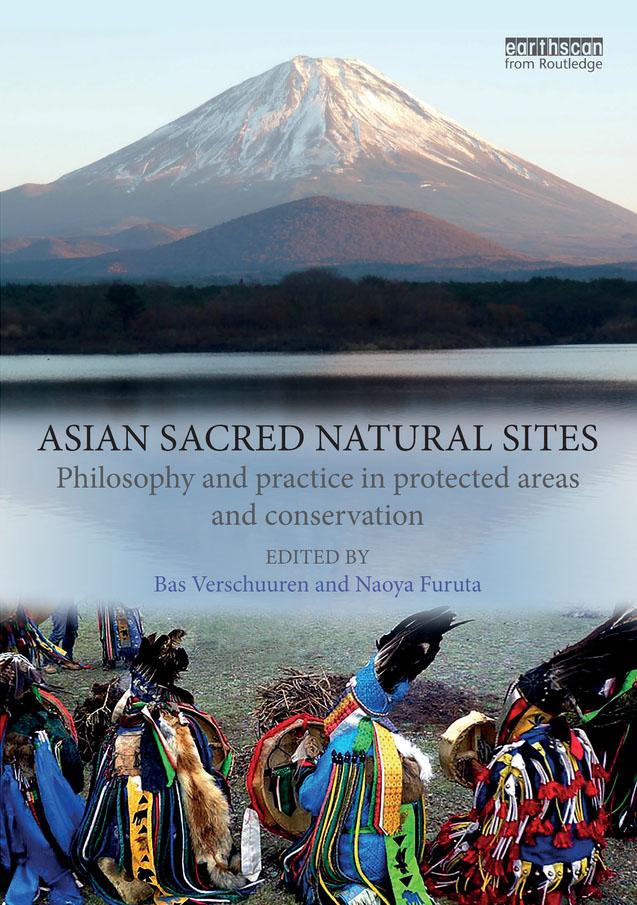
Nature conservation planning tends to be driven by models based on Western norms and science, but these may not represent the cultural, philosophical and religious contexts of much of Asia. This book provides a new perspective on the topic of sacred natural sites and cultural heritage by linking Asian cultures, religions and worldviews with contemporary conservation practices and approaches.
The chapters focus on the modern significance of sacred natural sites in Asian protected areas with reference, where appropriate, to an Asian philosophy of protected areas. Drawn from over 20 different countries, the book covers examples of sacred natural sites from all of IUCN’s protected area categories and governance types. The authors demonstrate the challenges faced to maintain culture and support spiritual and religious governance and management structures in the face of strong modernisation across Asia.
The book shows how sacred natural sites contribute to defining new, more sustainable and more equitable forms of protected areas and conservation that reflect the worldviews and beliefs of their respective cultures and religions. The book contributes to a paradigm-shift in conservation and protected areas as it advocates for greater recognition of culture and spirituality through the adoption of biocultural conservation approaches.
Płać wygodnie kartą, Klarną, Apple Pay lub Google Pay. Nie jesteś zadowolony? Zawsze masz 14-dniową gwarancję zwrotu pieniędzy. Więcej przeczytasz w naszych warunkach. Masz pytania? Napisz do nas na hello@memmo.org.
Memmo ułatwia naukę – gdziekolwiek jesteś na świecie. U nas znajdziesz podręczniki i sprytne narzędzia do nauki w jednym miejscu: streszczenia, quizy, podcasty i fiszki. A do tego Ted, Twój kumpel do nauki, który odpowie na wszystko, co Cię nurtuje. Ponad 50 000 studentów już tu się uczy – stworzone, byś uczył się szybciej i mniej stresował.