
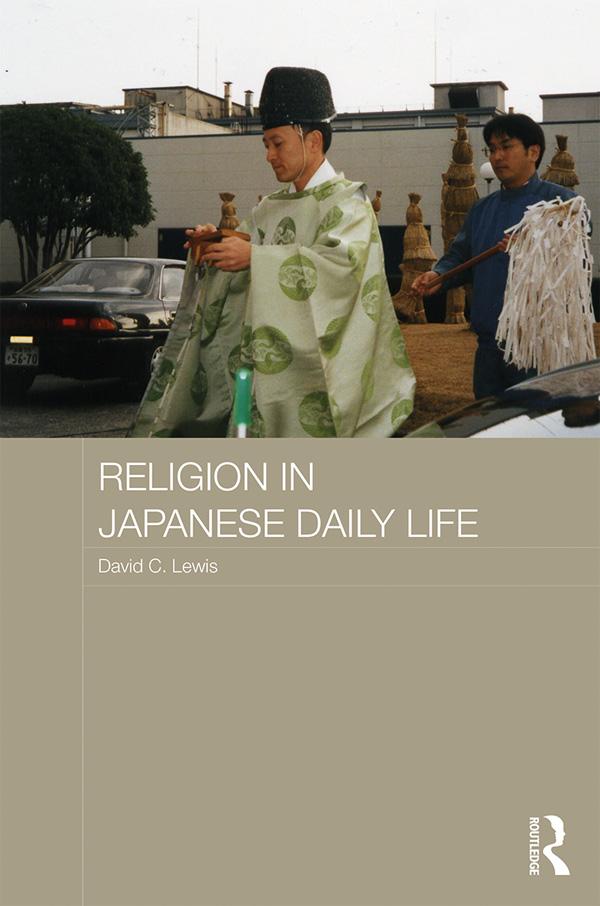
Are Japanese people religious – and, if so, in what ways? David Lewis addresses this question from the perspective of ordinary Japanese people in the context of their life cycles, and explores why they engage in religious activities. He not only discusses how Japanese people engage in different religious practices as they encounter new events in their lives but also analyses the attitudes and motivations behind their behaviour. Activities such as fortune-telling, religious rites in the workplace, ancestral rites and visits to shrines and temples are actually engaged in by many people who view themselves as ‘non- religious’ but express their motivations in terms other than the conventional ‘religious’ ones. This book outlines the religious options available, and assesses why people choose particular religious activities at various times in their lives or in specific circumstances. The author challenges some widespread assumptions about religion in urban and industrial contexts and also shows how some of the underlying motivations behind Japanese behaviour are expressed both in religious and non-religious forms.
Płać wygodnie kartą, Klarną, Apple Pay lub Google Pay. Nie jesteś zadowolony? Zawsze masz 14-dniową gwarancję zwrotu pieniędzy. Więcej przeczytasz w naszych warunkach. Masz pytania? Napisz do nas na hello@memmo.org.
Memmo ułatwia naukę – gdziekolwiek jesteś na świecie. U nas znajdziesz podręczniki i sprytne narzędzia do nauki w jednym miejscu: streszczenia, quizy, podcasty i fiszki. A do tego Ted, Twój kumpel do nauki, który odpowie na wszystko, co Cię nurtuje. Ponad 50 000 studentów już tu się uczy – stworzone, byś uczył się szybciej i mniej stresował.