
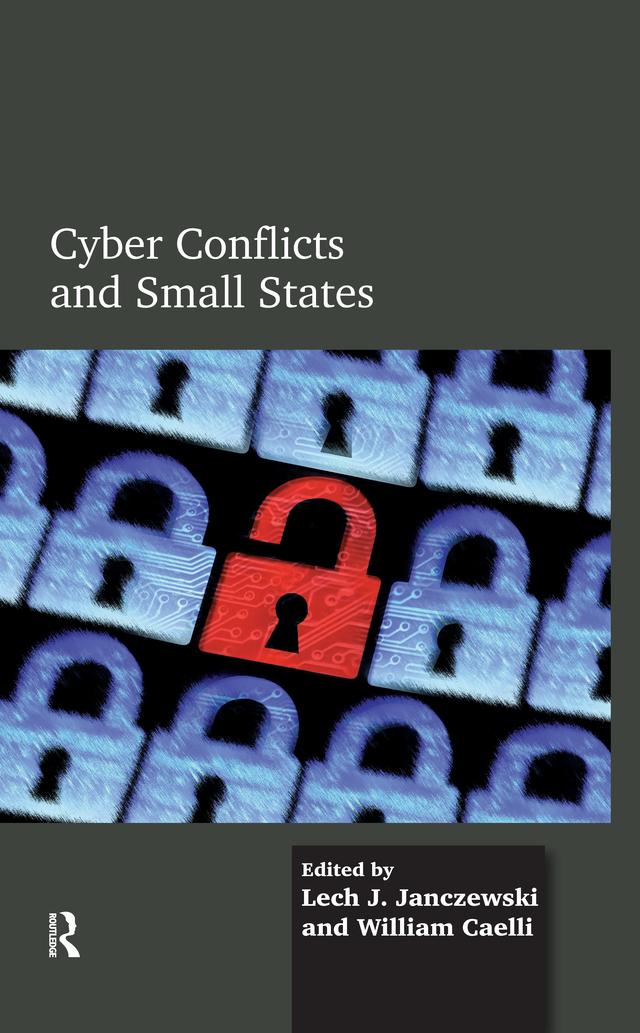
The probability of a world-wide cyber conflict is small. Yet the probability of forms of cyber conflict, regional or even global, could be argued as being very high. Small countries are usually signatories to military and economic alliances with major world powers but rely heavily on the technical ability of these powers in protecting their own national interests. They may be considered to be IT ’technology colonies’. Their cyber infrastructure is usually fully imported and their ability to assess it is limited. This book poses the question: to what extent should, or can, a small country prepare itself for handling the broad range of cyber threats? Looking at cyber-warfare, cyber-terrorism, cyber-crime and associated concerns, national experts from New Zealand, Australia, The Netherlands, and Poland present analyses of cyber-defence realities, priorities and options for smaller countries. They show that what is needed is the ability of small nations to be able to define and prepare appropriate responses such as the role of military/law enforcement/business entities, continuity and resilience strategies, incident response and business continuity plans and more for handing nationally-aimed cyber-attacks particularly where these address national critical infrastructures.
Płać wygodnie kartą, Klarną, Apple Pay lub Google Pay. Nie jesteś zadowolony? Zawsze masz 14-dniową gwarancję zwrotu pieniędzy. Więcej przeczytasz w naszych warunkach. Masz pytania? Napisz do nas na hello@memmo.org.
Memmo ułatwia naukę – gdziekolwiek jesteś na świecie. U nas znajdziesz podręczniki i sprytne narzędzia do nauki w jednym miejscu: streszczenia, quizy, podcasty i fiszki. A do tego Ted, Twój kumpel do nauki, który odpowie na wszystko, co Cię nurtuje. Ponad 50 000 studentów już tu się uczy – stworzone, byś uczył się szybciej i mniej stresował.
Może Ci się spodobać
Kup książkę0