
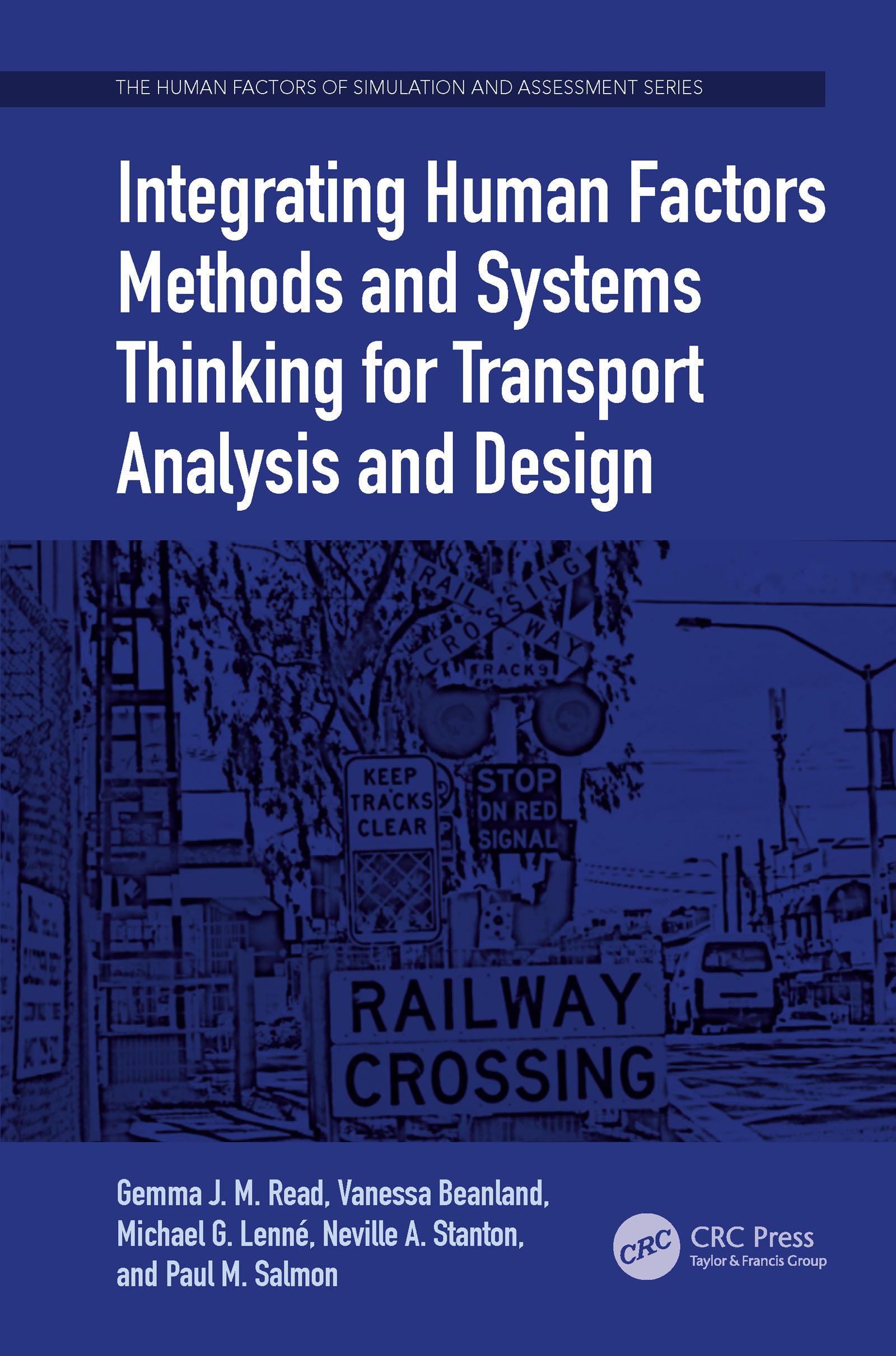
Governments and road safety agencies around the world have either introduced or are considering 'safe system' strategies, a long overdue acknowledgement that different elements of the road system contribute to road safety outcomes. Human factors approaches have a leading role here in both conceptualising the road system as a complex sociotechnical system and in providing practical approaches to support true systems-based countermeasures. This book illustrates the potential for integrating contemporary systems-based human factors methods with modern day driving-assessment methods, such as vehicle instrumentation and driving simulation, to understand and enhance performance in modern day road-transport systems. The book outlines why a fundamental paradigm shift is needed in the way these systems are designed and operated, and illustrates how a wide range of accepted human-factors approaches can be applied successfully to road transport to revolutionise the countermeasure design process. The practical illustrations of these human factors methods are applied to a long-standing road and rail safety issue: rail level crossings, where the road and rail systems intersect. The final chapter of the book highlights the utility of the human factors approach to reducing road trauma and discusses future applications of the approach.
Płać wygodnie kartą, Klarną, Apple Pay lub Google Pay. Nie jesteś zadowolony? Zawsze masz 14-dniową gwarancję zwrotu pieniędzy. Więcej przeczytasz w naszych warunkach. Masz pytania? Napisz do nas na hello@memmo.org.
Memmo ułatwia naukę – gdziekolwiek jesteś na świecie. U nas znajdziesz podręczniki i sprytne narzędzia do nauki w jednym miejscu: streszczenia, quizy, podcasty i fiszki. A do tego Ted, Twój kumpel do nauki, który odpowie na wszystko, co Cię nurtuje. Ponad 50 000 studentów już tu się uczy – stworzone, byś uczył się szybciej i mniej stresował.
Może Ci się spodobać
Kup książkę0