
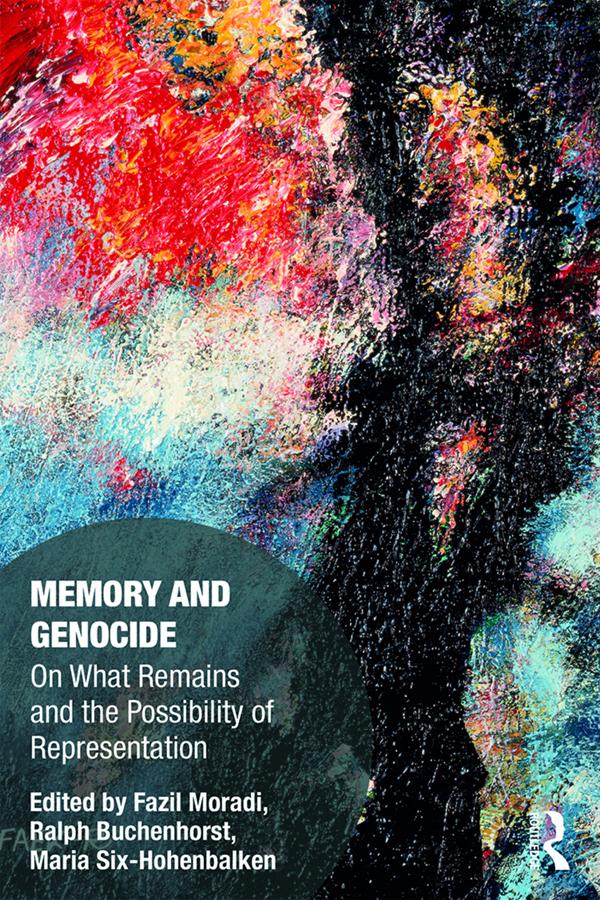
This book focuses on the ethical, aesthetic, and scholarly dimensions of how genocide-related works of art, documentary films, poetry and performance, museums and monuments, music, dance, image, law, memory narratives, spiritual bonds, and ruins are translated and take place as translations of acts of genocide. It shows how genocide-related modes of representation are acts of translation which displace and produce memory and acts of remembrance of genocidal violence as inheritance of the past in a future present. Thus, the possibility of representation is examined in light of what remains in the aftermath where the past and the future are inseparable companions and we find the idea of the untranslatability in acts of genocide. By opening up both the past and lived experiences of genocidal violence as and through multiple acts of translation, this volume marks a heterogeneous turn towards the future, and one which will be of interest to all scholars and students of memory and genocide studies, transitional justice, sociology, psychology, and social anthropology.
Płać wygodnie kartą, Klarną, Apple Pay lub Google Pay. Nie jesteś zadowolony? Zawsze masz 14-dniową gwarancję zwrotu pieniędzy. Więcej przeczytasz w naszych warunkach. Masz pytania? Napisz do nas na hello@memmo.org.
Memmo ułatwia naukę – gdziekolwiek jesteś na świecie. U nas znajdziesz podręczniki i sprytne narzędzia do nauki w jednym miejscu: streszczenia, quizy, podcasty i fiszki. A do tego Ted, Twój kumpel do nauki, który odpowie na wszystko, co Cię nurtuje. Ponad 50 000 studentów już tu się uczy – stworzone, byś uczył się szybciej i mniej stresował.