
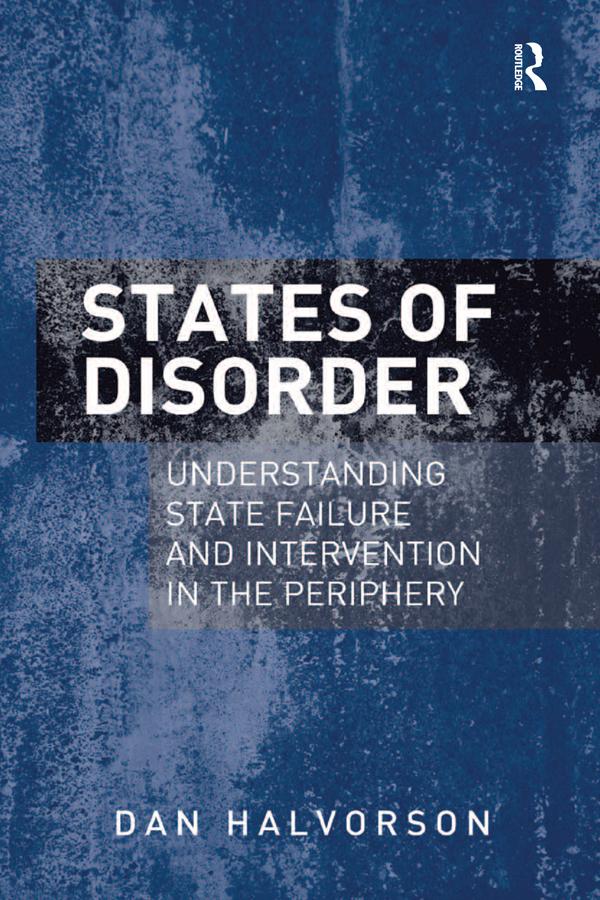
There have always been weak or ’fragile’ states in the modern era or poorly governed and disorderly political communities in earlier times. Yet the idea of state failure has only acquired such prominence in the post-Cold War period. Why would many countries in the less-developed world be considered ’failed’ states after 1990, but not in 1965 when there is little meaningful difference in their observable empirical conditions? What counts as state ’failure’ is ultimately a subjective political judgement made by the great powers of the day. This judgement is based on the sensitivity of great powers to particular types of disorder generated from the periphery in different historical periods. This book is a comparative history of the conditions under which great powers care enough about disorder from the periphery to mount costly armed interventions to reverse what they deem to be state ’failure’.
Płać wygodnie kartą, Klarną, Apple Pay lub Google Pay. Nie jesteś zadowolony? Zawsze masz 14-dniową gwarancję zwrotu pieniędzy. Więcej przeczytasz w naszych warunkach. Masz pytania? Napisz do nas na hello@memmo.org.
Memmo ułatwia naukę – gdziekolwiek jesteś na świecie. U nas znajdziesz podręczniki i sprytne narzędzia do nauki w jednym miejscu: streszczenia, quizy, podcasty i fiszki. A do tego Ted, Twój kumpel do nauki, który odpowie na wszystko, co Cię nurtuje. Ponad 50 000 studentów już tu się uczy – stworzone, byś uczył się szybciej i mniej stresował.
Może Ci się spodobać
Kup książkę0