
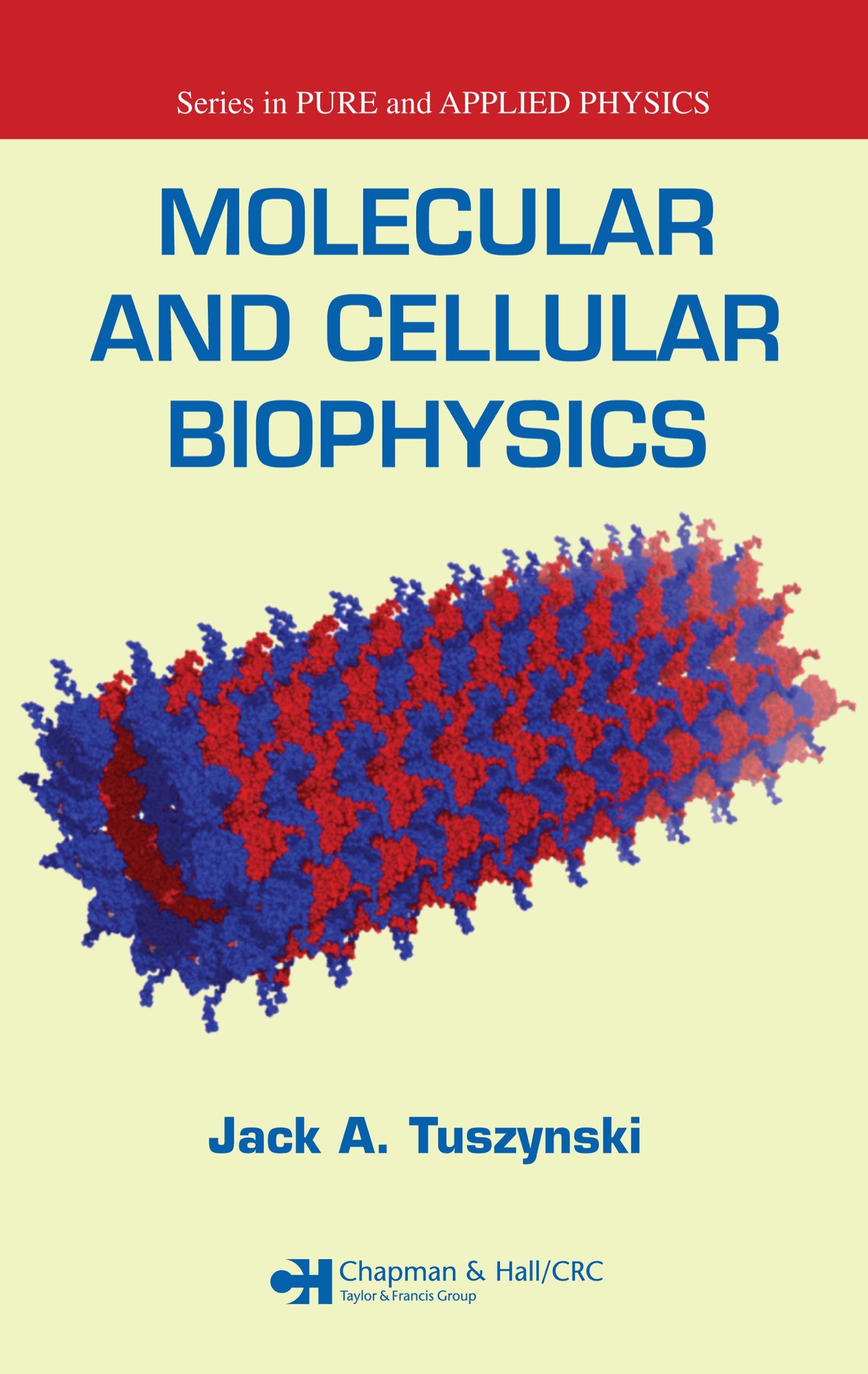
From quantum theory to statistical mechanics, the methodologies of physics are often used to explain some of life's most complex biological problems. Exploring this challenging yet fascinating area of study, Molecular and Cellular Biophysics covers both molecular and cellular structures as well as the biophysical processes that occur in these structures. Designed for advanced undergraduate and beginning graduate students in biophysics courses, this textbook features a quantitative approach that avoids being too abstract in its presentation.
Logically organized from small-scale (molecular) to large-scale (cellular) systems, the text first defines life, discussing the scientific controversies between mechanists and vitalists, the characteristics of living things, and the evolution of life. It then delves into molecular structures, including nucleic acids, DNA, RNA, interatomic interactions, and hydrogen bonds. After looking at these smaller systems, the author probes the larger cellular structures. He examines the cytoplasm, the cytoskeleton, chromosomes, mitochondria, motor proteins, and more. The book concludes with discussions on biophysical processes, including oxidative phosphorylation, diffusion, bioenergetics, conformational transitions in proteins, vesicle transport, subcellular structure formation, and cell division.
Płać wygodnie kartą, Klarną, Apple Pay lub Google Pay. Nie jesteś zadowolony? Zawsze masz 14-dniową gwarancję zwrotu pieniędzy. Więcej przeczytasz w naszych warunkach. Masz pytania? Napisz do nas na hello@memmo.org.
Memmo ułatwia naukę – gdziekolwiek jesteś na świecie. U nas znajdziesz podręczniki i sprytne narzędzia do nauki w jednym miejscu: streszczenia, quizy, podcasty i fiszki. A do tego Ted, Twój kumpel do nauki, który odpowie na wszystko, co Cię nurtuje. Ponad 50 000 studentów już tu się uczy – stworzone, byś uczył się szybciej i mniej stresował.