
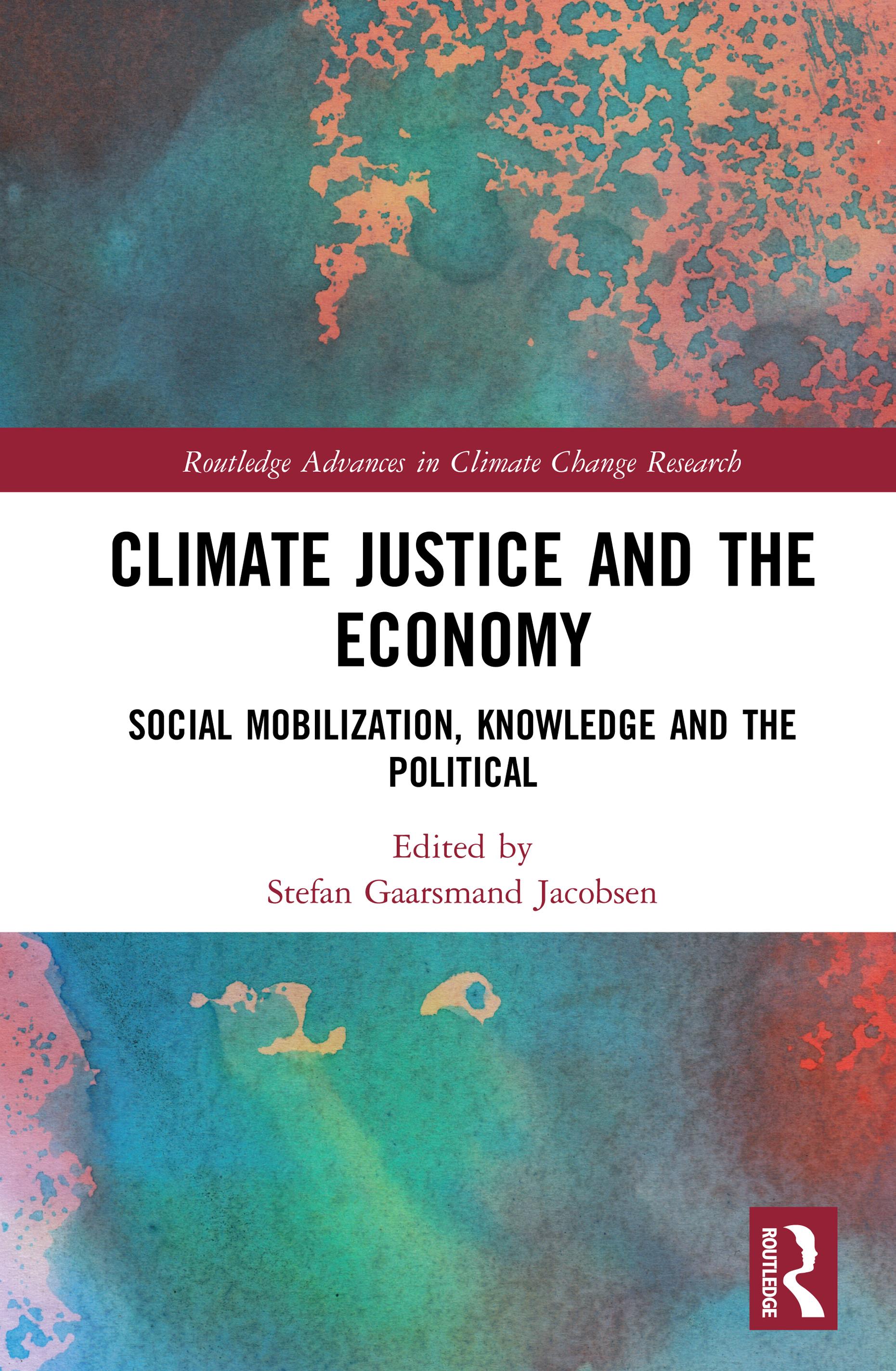
As climate change has increasingly become the main focus of environmentalist activism since the late 1990s, the global economic drivers of CO2 emissions are now a major concern for radical greens. In turn, the emphasis on connected crises in both natural and social systems has attracted more activists to the Climate Justice movement and created a common cause between activists from the Global South and North. In the absence of a pervasive narrative of transnational or socialist economic planning to prevent catastrophic climate change, these activists have been eager to engage with advanced knowledge and ideas on political and economic structures that diminish risks and allow for new climate agency.
This book breaks new ground by investigating what kind of economy the Climate Justice movement is calling for us to build and how the struggle for economic change has unfolded so far. Examining ecological debt, just transition, indigenous ecologies, social ecology, community economies and divestment among other topics, the authors provide a critical assessment and a common ground for future debate on economic innovation via social mobilization.
Taking a transdisciplinary approach that synthesizes political economy, history, theory and ethnography, this volume will be of great interest to students and scholars of climate justice, environmental politics and policy, environmental economics and sustainable development.
Płać wygodnie kartą, Klarną, Apple Pay lub Google Pay. Nie jesteś zadowolony? Zawsze masz 14-dniową gwarancję zwrotu pieniędzy. Więcej przeczytasz w naszych warunkach. Masz pytania? Napisz do nas na hello@memmo.org.
Memmo ułatwia naukę – gdziekolwiek jesteś na świecie. U nas znajdziesz podręczniki i sprytne narzędzia do nauki w jednym miejscu: streszczenia, quizy, podcasty i fiszki. A do tego Ted, Twój kumpel do nauki, który odpowie na wszystko, co Cię nurtuje. Ponad 50 000 studentów już tu się uczy – stworzone, byś uczył się szybciej i mniej stresował.