
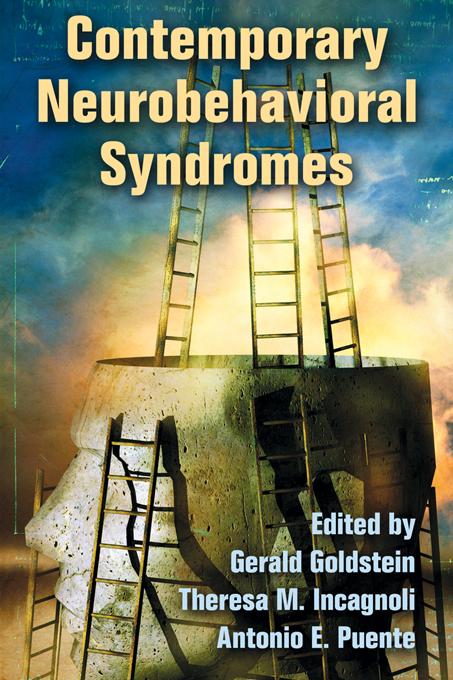
During the twentieth century, new neurobehavioral diseases appeared or were described for the first time. Exposure to certain toxins or noxious environments, for example, produced illnesses that did not exist before the twentieth century. In addition, established illnesses were reconceptualized with regard to their cause or neurobiological basis. Autism, for instance, was described for the first time during the twentieth century and may not have existed previously. Its cause was subsequently reconceptualized from a disorder related to inadequate parenting, to a brain disorder with possible genetic causes.
These major new and reconceptualized disorders are reviewed in this book with regard to their neurocognitive characteristics, causes, and outcome. Disorders covered include ADHD in adults, Lewy Body Dementia, autism, multiple chemical sensitivity, deployment syndromes found in veterans of the Persian Gulf and Afghanistan wars, effects of low birth weight, neurobehavioral respiratory disorders, PTSD, and comorbid disorders such as depression and brain injury.
The expert reviews of these disorders give balanced coverage of the ongoing and often controversial research findings that continue to generate much professional and public interest. This volume provides an essential resource for researchers, instructors, and clinicians in the fields of neuropsychology, psychiatry, behavioral neurology, neuroscience, toxicology, as well as the informed general public concerned and affected by these disorders.
Płać wygodnie kartą, Klarną, Apple Pay lub Google Pay. Nie jesteś zadowolony? Zawsze masz 14-dniową gwarancję zwrotu pieniędzy. Więcej przeczytasz w naszych warunkach. Masz pytania? Napisz do nas na hello@memmo.org.
Memmo ułatwia naukę – gdziekolwiek jesteś na świecie. U nas znajdziesz podręczniki i sprytne narzędzia do nauki w jednym miejscu: streszczenia, quizy, podcasty i fiszki. A do tego Ted, Twój kumpel do nauki, który odpowie na wszystko, co Cię nurtuje. Ponad 50 000 studentów już tu się uczy – stworzone, byś uczył się szybciej i mniej stresował.