
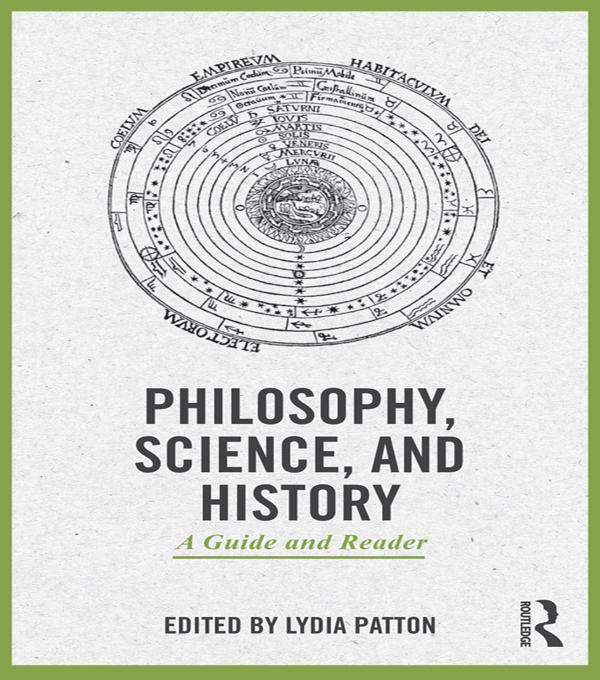
Philosophy, Science, and History: A Guide and Reader is a compact overview of the history and philosophy of science that aims to introduce students to the groundwork of the field, and to stimulate innovative research. The general introduction focuses on scientific theory change, assessment, discovery, and pursuit. Part I of the Reader begins with classic texts in the history of logical empiricism, including Reichenbach’s discovery-justification distinction. With careful reference to Kuhn’s analysis of scientific revolutions, the section provides key texts analyzing the relationship of HOPOS to the history of science, including texts by Santayana, Rudwick, and Shapin and Schaffer. Part II provides texts illuminating central debates in the history of science and its philosophy. These include the history of natural philosophy (Descartes, Newton, Leibniz, Kant, Hume, and du Châtelet in a new translation); induction and the logic of discovery (including the Mill-Whewell debate, Duhem, and Hanson); and catastrophism versus uniformitarianism in natural history (Playfair on Hutton and Lyell; de Buffon, Cuvier, and Darwin).
The editor’s introductions to each section provide a broader perspective informed by contemporary research in each area, including related topics. Each introduction furnishes proposals, including thematic bibliographies, for innovative research questions and projects in the classroom and in the field.
Płać wygodnie kartą, Klarną, Apple Pay lub Google Pay. Nie jesteś zadowolony? Zawsze masz 14-dniową gwarancję zwrotu pieniędzy. Więcej przeczytasz w naszych warunkach. Masz pytania? Napisz do nas na hello@memmo.org.
Memmo ułatwia naukę – gdziekolwiek jesteś na świecie. U nas znajdziesz podręczniki i sprytne narzędzia do nauki w jednym miejscu: streszczenia, quizy, podcasty i fiszki. A do tego Ted, Twój kumpel do nauki, który odpowie na wszystko, co Cię nurtuje. Ponad 50 000 studentów już tu się uczy – stworzone, byś uczył się szybciej i mniej stresował.