
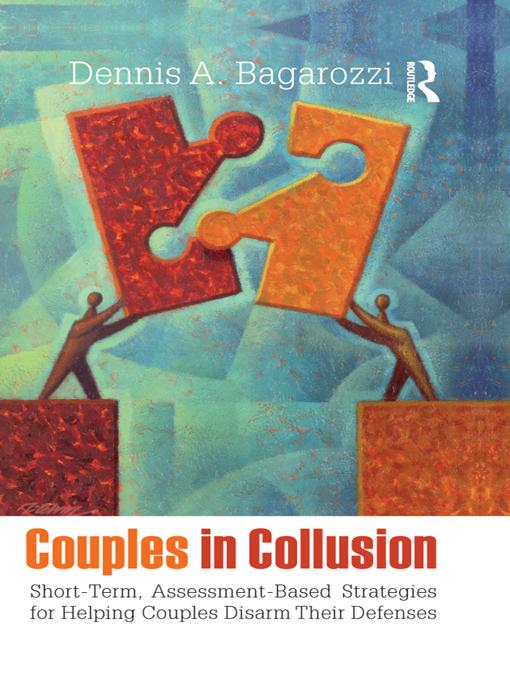
When a couple enters therapy, both partners have either explicit or implicit understandings of what can—and, more importantly, cannot—be discussed in therapy. Even when empirically tested assessments are used to help pinpoint areas of concern and conflict, couples may choose to identify only those areas that are relatively safe and do not seriously threaten each partner’s sense of integrity and vulnerability. How is a therapist supposed to proceed when a couple comes in for a tune-up, not realizing that their entire transmission needs to be serviced? Therapists know that some relationships, like some transmissions, can continue to function on some level even without proper care—sometimes even for years—before the couple seeks therapy. If, when they come in, the therapist can help the couples to repair and regain their lost equilibrium, they’ll be more likely to seek help when the transmission next begins to slip.
In its clear, precise prose, insightful case studies, and thought-provoking discussion questions, Couples in Collusion lays out guidelines for identifying, understanding, and, dealing with the unspoken agreements and collusive systems that couples build up over time. Clinicians will find each chapter replete with concrete strategies they can use in practice as well as thorough explanations of the assessment tools, suggestions on how to use them, and even advice on how to build the tools’ costs into clinicians’ limited budgets.
Płać wygodnie kartą, Klarną, Apple Pay lub Google Pay. Nie jesteś zadowolony? Zawsze masz 14-dniową gwarancję zwrotu pieniędzy. Więcej przeczytasz w naszych warunkach. Masz pytania? Napisz do nas na hello@memmo.org.
Memmo ułatwia naukę – gdziekolwiek jesteś na świecie. U nas znajdziesz podręczniki i sprytne narzędzia do nauki w jednym miejscu: streszczenia, quizy, podcasty i fiszki. A do tego Ted, Twój kumpel do nauki, który odpowie na wszystko, co Cię nurtuje. Ponad 50 000 studentów już tu się uczy – stworzone, byś uczył się szybciej i mniej stresował.