
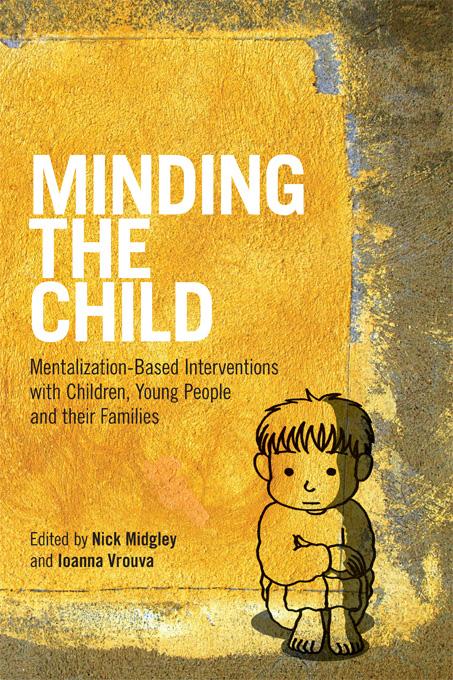
What is 'mentalization'? How can this concept be applied to clinical work with children, young people and families? What will help therapists working with children and families to 'keep the mind in mind'? Why does it matter if a parent can 'see themselves from the outside, and their child from the inside'?
Minding the Child considers the implications of the concept of mentalization for a range of therapeutic interventions with children and families. Mentalization, and the empirical research which has supported it, now plays a significant role in a range of psychotherapies for adults. In this book we see how these rich ideas about the development of the self and interpersonal relatedness can help to foster the emotional well-being of children and young people in clinical practice and a range of other settings.
With contributions from a range of international experts, the three main sections of the book explore:
• the concept of mentalization from a theoretical and research perspective
• the value of mentalization-based interventions within child mental health services
• the application of mentalizing ideas to work in community settings.
Minding the Child will be of particular interest to clinicians and those working therapeutically with children and families, but it will also be of interest to academics and students interested in child and adolescent mental health, developmental psychology and the study of social cognition.
Płać wygodnie kartą, Klarną, Apple Pay lub Google Pay. Nie jesteś zadowolony? Zawsze masz 14-dniową gwarancję zwrotu pieniędzy. Więcej przeczytasz w naszych warunkach. Masz pytania? Napisz do nas na hello@memmo.org.
Memmo ułatwia naukę – gdziekolwiek jesteś na świecie. U nas znajdziesz podręczniki i sprytne narzędzia do nauki w jednym miejscu: streszczenia, quizy, podcasty i fiszki. A do tego Ted, Twój kumpel do nauki, który odpowie na wszystko, co Cię nurtuje. Ponad 50 000 studentów już tu się uczy – stworzone, byś uczył się szybciej i mniej stresował.