
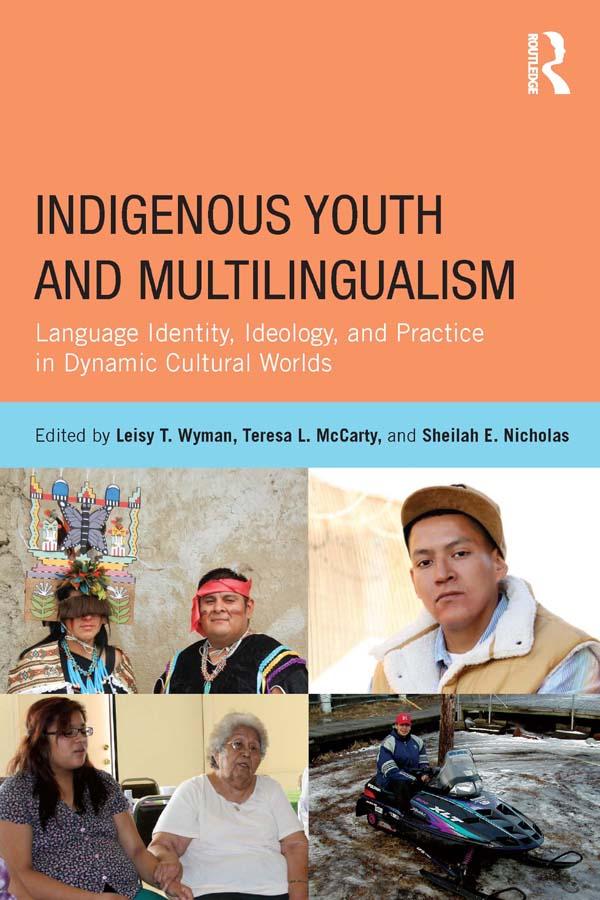
Bridging the fields of youth studies and language planning and policy, this book takes a close, nuanced look at Indigenous youth bi/multilingualism across diverse cultural and linguistic settings, drawing out comparisons, contrasts, and important implications for language planning and policy and for projects designed to curtail language loss. Indigenous and non-Indigenous scholars with longstanding ties to language planning efforts in diverse Indigenous communities examine language policy and planning as de facto and de jure – as covert and overt, bottom-up and top-down. This approach illuminates crosscutting themes of language identity and ideology, cultural conflict, and linguistic human rights as youth negotiate these issues within rapidly changing sociolinguistic contexts. A distinctive feature of the book is its chapters and commentaries by Indigenous scholars writing about their own communities.
This landmark volume stands alone in offering a look at diverse Indigenous youth in multiple endangered language communities, new theoretical, empirical, and methodological insights, and lessons for intergenerational language planning in dynamic sociocultural contexts.
Płać wygodnie kartą, Klarną, Apple Pay lub Google Pay. Nie jesteś zadowolony? Zawsze masz 14-dniową gwarancję zwrotu pieniędzy. Więcej przeczytasz w naszych warunkach. Masz pytania? Napisz do nas na hello@memmo.org.
Memmo ułatwia naukę – gdziekolwiek jesteś na świecie. U nas znajdziesz podręczniki i sprytne narzędzia do nauki w jednym miejscu: streszczenia, quizy, podcasty i fiszki. A do tego Ted, Twój kumpel do nauki, który odpowie na wszystko, co Cię nurtuje. Ponad 50 000 studentów już tu się uczy – stworzone, byś uczył się szybciej i mniej stresował.