
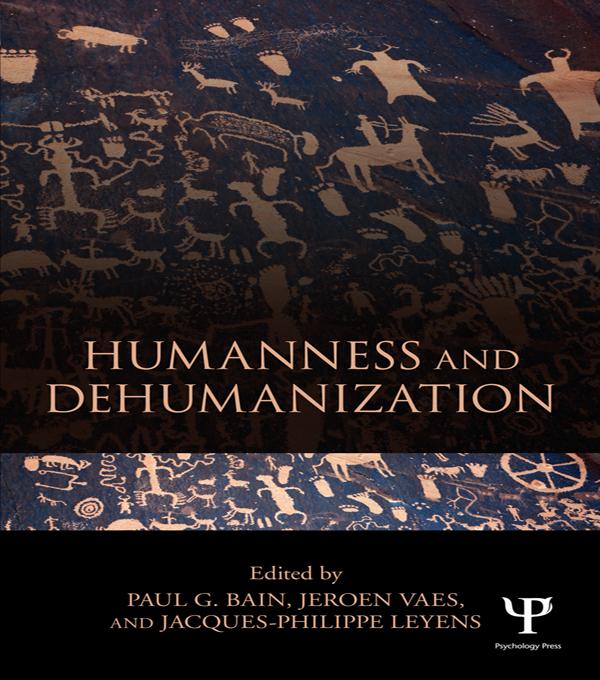
What does it mean to be human? Why do people dehumanize others (and sometimes themselves)? These questions have only recently begun to be investigated in earnest within psychology. This volume presents the latest thinking about these and related questions from research leaders in the field of humanness and dehumanization in social psychology and related disciplines. Contributions provide new insights into the history of dehumanization, its different types, and new theories are proposed for when and why dehumanization occurs. While people’s views about what humanness is, and who has it, have long been known as important in understanding ethnic conflict, contributors demonstrate its relevance in other domains, including medical practice, policing, gender relations, and our relationship with the natural environment. Cultural differences and similarities in beliefs about humanness are explored, along with strategies to overcome dehumanization.
In highlighting emerging ideas and theoretical perspectives, describing current theoretical issues and controversies and ways to resolve them, and in extending research to new areas, this volume will influence research on humanness and dehumanization for many years.
Płać wygodnie kartą, Klarną, Apple Pay lub Google Pay. Nie jesteś zadowolony? Zawsze masz 14-dniową gwarancję zwrotu pieniędzy. Więcej przeczytasz w naszych warunkach. Masz pytania? Napisz do nas na hello@memmo.org.
Memmo ułatwia naukę – gdziekolwiek jesteś na świecie. U nas znajdziesz podręczniki i sprytne narzędzia do nauki w jednym miejscu: streszczenia, quizy, podcasty i fiszki. A do tego Ted, Twój kumpel do nauki, który odpowie na wszystko, co Cię nurtuje. Ponad 50 000 studentów już tu się uczy – stworzone, byś uczył się szybciej i mniej stresował.