
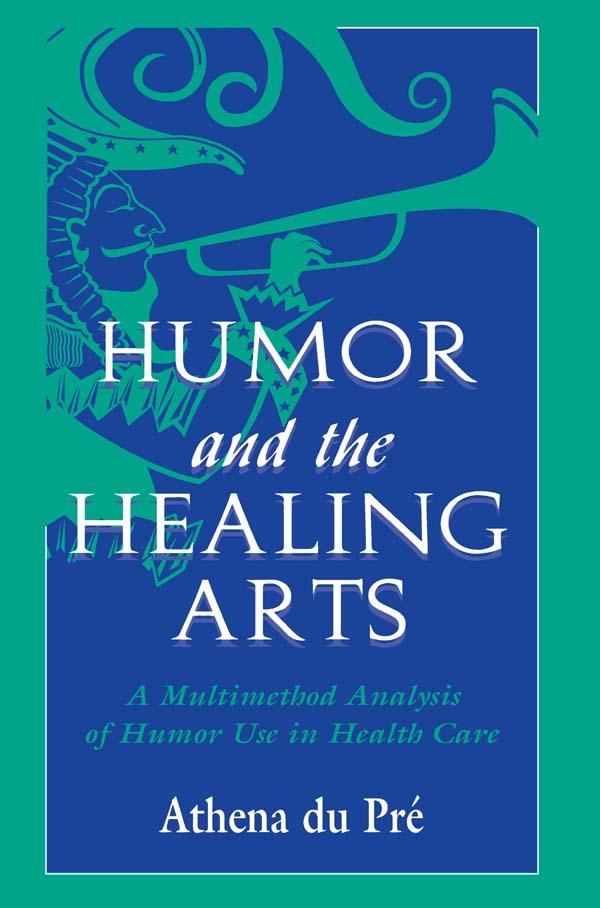
Offering a social scientific look at humor's role in medical transactions, this volume is based on extensive field study in seven medical settings. It includes excerpts from dozens of actual conversations between patients and caregivers. Analysis of these episodes reveals that humor is a practical tool used to meet many medical objectives. It is used by patients to good-naturedly complain and to campaign for more personal attention, and by caregivers to get attention, make amends, insist on unpleasant routines, and establish rapport.
Examining humor from many angles, the book begins with a phenomenological analysis of the essence of funny. This section describes what makes some things funny but not others, and how to distinguish between potentially funny and unfunny episodes in medical situations. From an ethnographic perspective, joking around is shown to be a persuasive element of medical culture. Examples illustrate how patients and caregivers use humor to negotiate the dialectics between helping and hurting, and individuality and compliance. Additionally, a close-up look at three medical transactions shows how humor is used to help a physical therapy patient overcome fear and queasiness, reduce the embarrassment of a mammography, and defuse a potential conflict between a student aide and a young patient. A final section examines techniques for initiating conversational humor.
In sum, this volume provides an intimate and realistic look at medical conversations as they are conducted every day. It serves as a valuable complement to health communication texts and offers information of interest to health communication scholars, healthcare practitioners, and anyone interested in the effects and techniques of conversational humor. Richly grounded in naturally occurring data, the book can be understood and used effectively by both scholars and practitioners.
Płać wygodnie kartą, Klarną, Apple Pay lub Google Pay. Nie jesteś zadowolony? Zawsze masz 14-dniową gwarancję zwrotu pieniędzy. Więcej przeczytasz w naszych warunkach. Masz pytania? Napisz do nas na hello@memmo.org.
Memmo ułatwia naukę – gdziekolwiek jesteś na świecie. U nas znajdziesz podręczniki i sprytne narzędzia do nauki w jednym miejscu: streszczenia, quizy, podcasty i fiszki. A do tego Ted, Twój kumpel do nauki, który odpowie na wszystko, co Cię nurtuje. Ponad 50 000 studentów już tu się uczy – stworzone, byś uczył się szybciej i mniej stresował.