
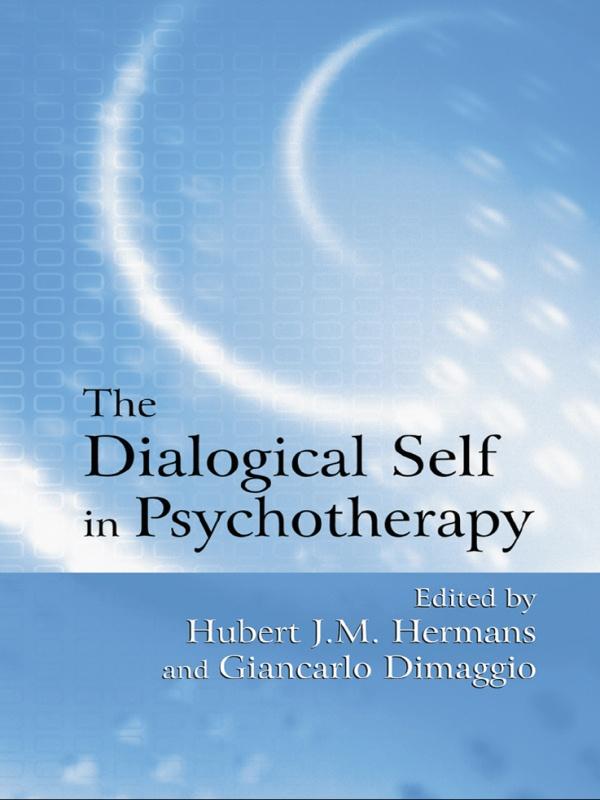
How can a theory of the self be used to understand the psychotherapeutic process?
The basic assumption of the 'dialogical self' is that there is no centralised 'headquarter' in the mind, but that the internal self is made up of a number of different 'characters'. Interpersonal relationships, from infancy onwards, become internalised - these internalised relationships then influence relationships during life.
The Dialogical Self in Psychotherapy is divided into four clear and accessible sections, which explore:
* theoretical and historical assumptions of the dialogical self from different angles: psychological, developmental and neurobiological
* the relationships between Dialogical Self Therapy and the authors' own theoretical perspectives
* treatment of clients suffering from severe disorders
* method and research.
The Dialogical Self in Psychotherapy gathers together psychotherapists from divergent origins to explore current thinking in the field: cognitive, constructivist, process-experiential, narrative, psychodynamic, psychodramatic, humanistic, and cognitive analytic. This innovative book brings together inter- and intra-subjective dialogue and clearly demonstrates how they are incorporated into the therapeutic process.
Płać wygodnie kartą, Klarną, Apple Pay lub Google Pay. Nie jesteś zadowolony? Zawsze masz 14-dniową gwarancję zwrotu pieniędzy. Więcej przeczytasz w naszych warunkach. Masz pytania? Napisz do nas na hello@memmo.org.
Memmo ułatwia naukę – gdziekolwiek jesteś na świecie. U nas znajdziesz podręczniki i sprytne narzędzia do nauki w jednym miejscu: streszczenia, quizy, podcasty i fiszki. A do tego Ted, Twój kumpel do nauki, który odpowie na wszystko, co Cię nurtuje. Ponad 50 000 studentów już tu się uczy – stworzone, byś uczył się szybciej i mniej stresował.