
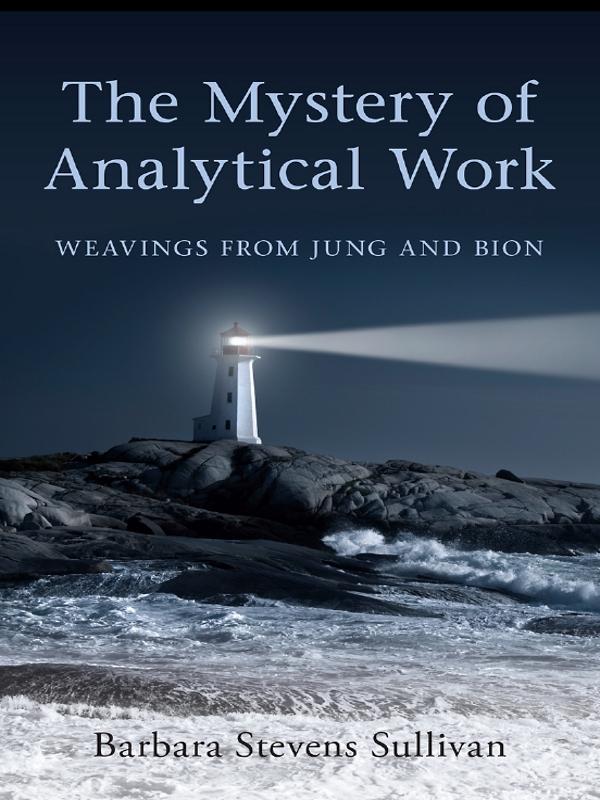
This book provides an exploration of the clinical practice of psychoanalysis and analytical psychology. It explores the ways psychoanalysts and other clinicians are taught to evade direct emotional connections with their patients. Sullivan, suggesting that relatedness is the basis of emotional health, examines the universal struggle between socially oriented energies that struggle toward truth and narcissistic impulses that push us to take refuge in lies. She maintains that, rather than making interpretations, it is the clinician’s capacity to bring relatedness to the clinical encounter which is the crucial factor.
Examining the work of both Jung and Bion, Sullivan draws on the overlap between their ideas on the psyche and the nature of the unconscious. The book uses clinical examples to examine the implications that these perspectives have for the practising therapist.
Specific areas of discussion include:
- the creative unconscious
- the structure of narcissism
- transformation in analytic work.
New modes of listening and relating that deepen analytic work and greatly facilitate transformative changes are described in easy-to-follow language that will help the therapist to find new approaches to a wide range of patients. The Mystery of Analytical Work will be of interest to Jungians, psychoanalysts and all those with an interest in analytic work.
Płać wygodnie kartą, Klarną, Apple Pay lub Google Pay. Nie jesteś zadowolony? Zawsze masz 14-dniową gwarancję zwrotu pieniędzy. Więcej przeczytasz w naszych warunkach. Masz pytania? Napisz do nas na hello@memmo.org.
Memmo ułatwia naukę – gdziekolwiek jesteś na świecie. U nas znajdziesz podręczniki i sprytne narzędzia do nauki w jednym miejscu: streszczenia, quizy, podcasty i fiszki. A do tego Ted, Twój kumpel do nauki, który odpowie na wszystko, co Cię nurtuje. Ponad 50 000 studentów już tu się uczy – stworzone, byś uczył się szybciej i mniej stresował.