
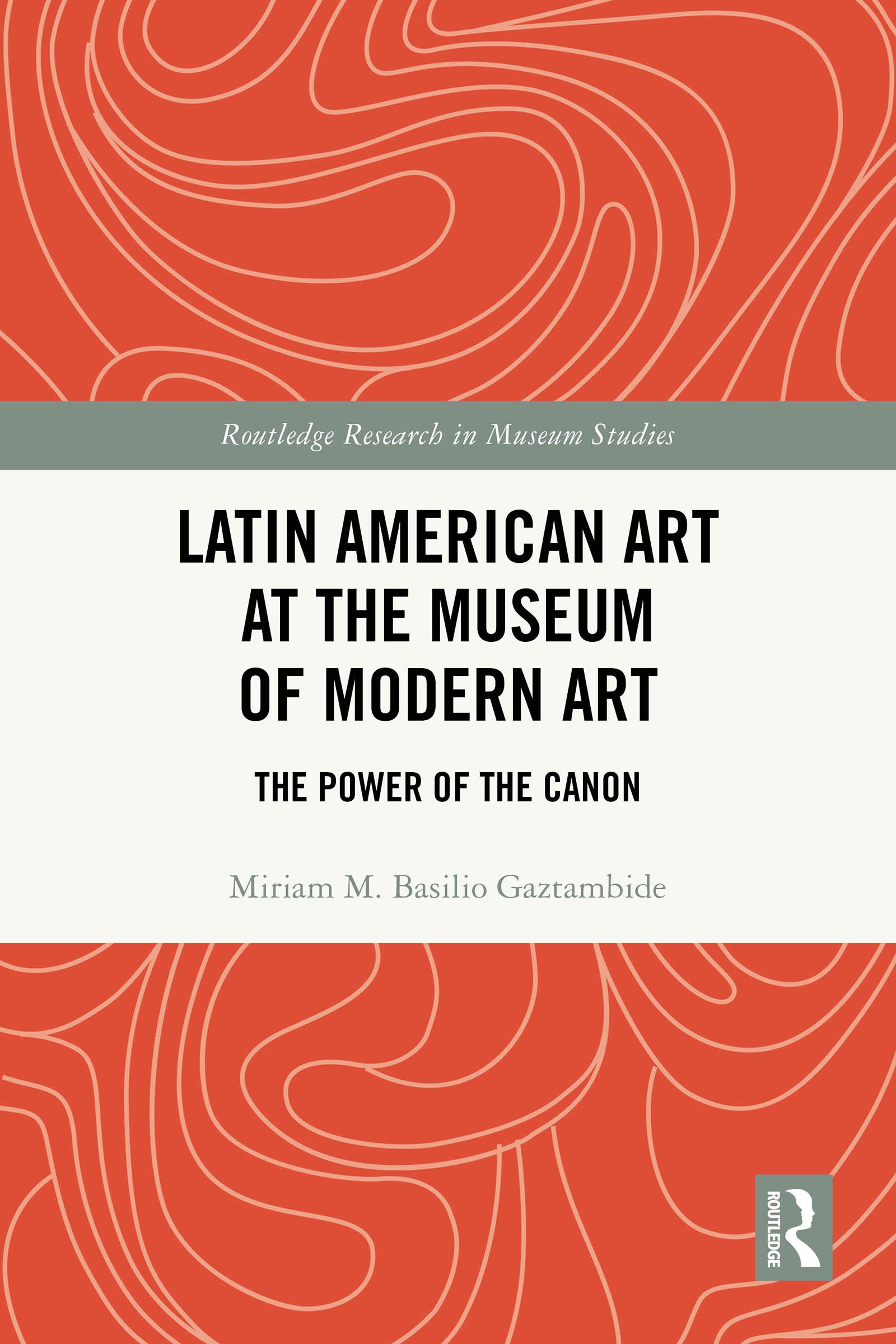
This book sheds light on an as-yet unstudied aspect of The Museum of Modern Art’s (MoMA) preeminent role in establishing the definition of the problematic term “Latin American art” in the United States from the 1930s to the present through its collection displays. In examining the shifting categorization of Latin American works according to stylistic and geographic taxonomies, we gain a greater understanding of the organization of the Museum’s collections as a whole during the 1940s and 1950s. This book is the first to document these institutional precedents, crucial for the understanding of the articulation of a Modernist canon and its contested legacy today.
The MoMA is widely recognized as the preeminent institution that defined 20th-century art through its collection – shaping our understandings of the history of art, with its hierarchies and exclusions, as they sediment over time. MoMA’s holdings of art from Latin America shed light on a key period when the stylistic categories that have since come to be accepted by many today as the Modernist canon developed. MoMA’s collection displays suggest ways in which artists from areas of the world formerly excluded can be incorporated within today’s increasingly global museums. MoMA’s approach may be compared to initiatives adopted by several museums since the 2000s, creating geographically defined curatorial positions as a way to redress gaps in collecting art from Latin America and other areas of the world. In this book, author Miriam M. Basilio Gaztambide offers a closer study of the history of collection displays as a means to understand canon formation in modern art museums.
This work will be of interest to those researching Latin American, American, modern, and contemporary art, and curatorial and museum studies.
Płać wygodnie kartą, Klarną, Apple Pay lub Google Pay. Nie jesteś zadowolony? Zawsze masz 14-dniową gwarancję zwrotu pieniędzy. Więcej przeczytasz w naszych warunkach. Masz pytania? Napisz do nas na hello@memmo.org.
Memmo ułatwia naukę – gdziekolwiek jesteś na świecie. U nas znajdziesz podręczniki i sprytne narzędzia do nauki w jednym miejscu: streszczenia, quizy, podcasty i fiszki. A do tego Ted, Twój kumpel do nauki, który odpowie na wszystko, co Cię nurtuje. Ponad 50 000 studentów już tu się uczy – stworzone, byś uczył się szybciej i mniej stresował.